

Flying After a Hair Transplant
Many clinics are comfortable with patients flying home a day or two after a hair transplant, once a check confirms the grafts and donor area are settling well. The flight itself does not harm grafts, but you should protect the recipient area from bumps, direct sun and anything rubbing your head, and avoid resting the transplanted area against the seat. Coordinators often help time flights so you are not travelling immediately after the procedure. Follow your team's specific guidance.
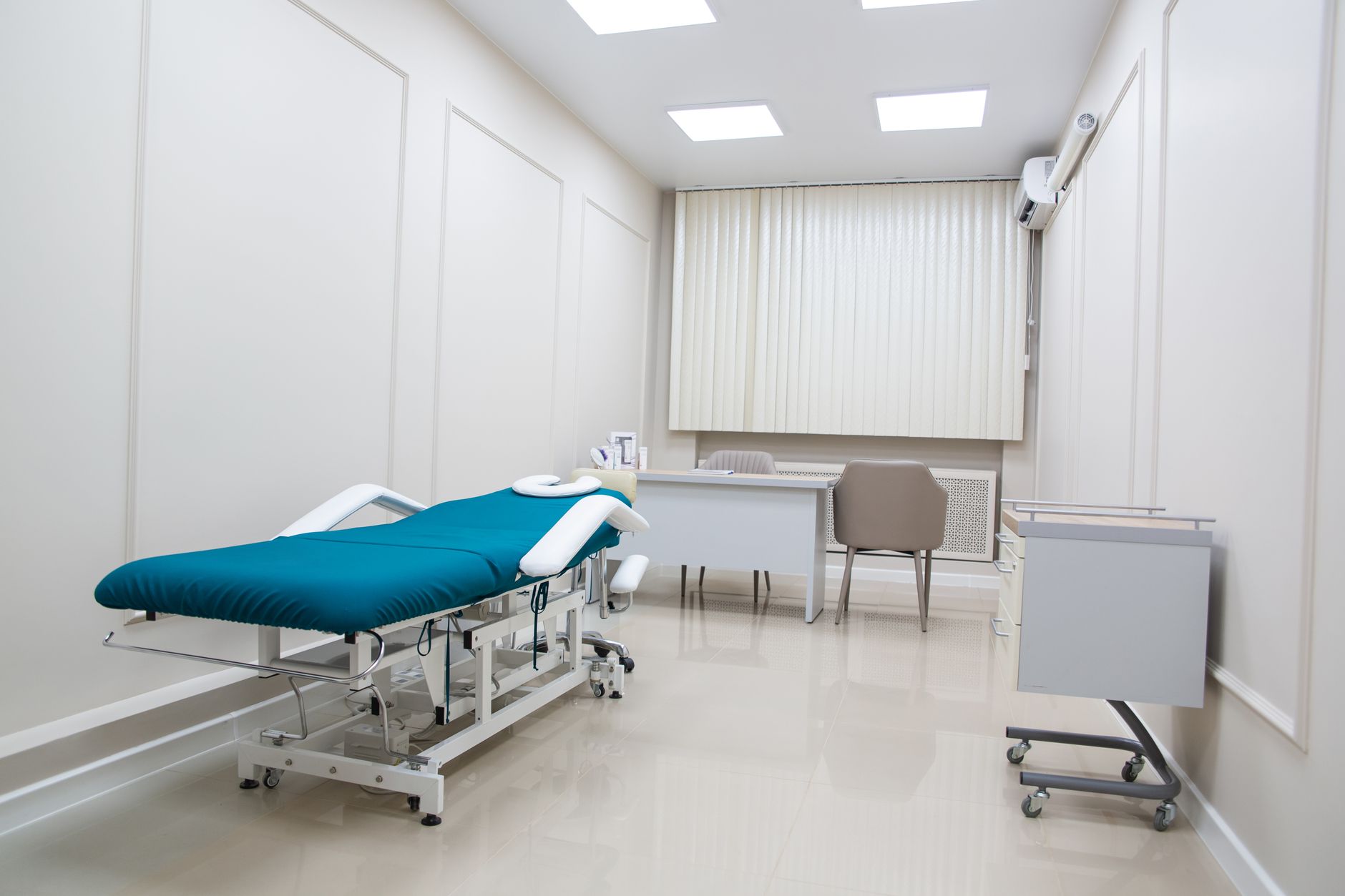 Natural Hair TurkeyIstanbul · Personal assessment
When it's usually safe to fly
Because a transplant is done under local anaesthetic and there is no general sedation to recover from, most patients are cleared to fly within a day or two — often after a first-wash check the day after the procedure. For patients travelling from abroad, this is the norm rather than the exception. What matters is that a member of the team confirms your grafts and donor area are healing as expected before you go.
Protecting your grafts while you travel
Cabin pressure and altitude do not damage transplanted follicles. The real risks during travel are mechanical: knocking your head, rubbing against a headrest, or exposure to strong sun through a window. A few simple precautions keep the area safe from door to door.
Long-haul and connecting flights
Patients travelling from further afield — North America, the Gulf, Australia — often face long-haul or connecting journeys, and a little extra planning keeps the grafts protected across a longer trip. The follicles are secure enough to travel once your team clears you; the practical challenge is simply managing many hours in transit without knocking, rubbing or overheating the head.
Planning the journey home
A little scheduling makes the trip easier. Coordinators often arrange transfers to the airport and help you avoid flying the same evening as the procedure. If you have a long or connecting journey, factor in when your next wash is due so you can keep to the routine. For the days after you land, see what to expect once you are back home. Any airline-specific questions about medical travel are worth checking before you book.
Before you fly home — quick checklist
- Had a check confirming your grafts and donor area are settling well
- Aftercare kit and any medicines packed in hand luggage
- A loose hood or approved loose cap for shade — nothing that rubs the grafts
- Next wash timing worked out around your travel schedule
- Transfers to the airport arranged where offered
- Airline medical-travel policy checked if your journey is long or connecting
Where to go next
 Patient journeyAfter a Hair Transplant: Aftercare GuideThe aftercare that protects your result — wa…What to expect Patient journeySleeping After a Hair TransplantHow to sleep safely after a hair transplant…What to expect Patient journeyWearing a Hat After a Hair TransplantWhen and how you can wear a hat after a hair…What to expect Patient journeyHair Transplant TimelineA week-by-week and month-by-month timeline o…What to expect
 TravelHair Transplant in IstanbulWhy Istanbul is the hub for hair transplants…Plan the trip
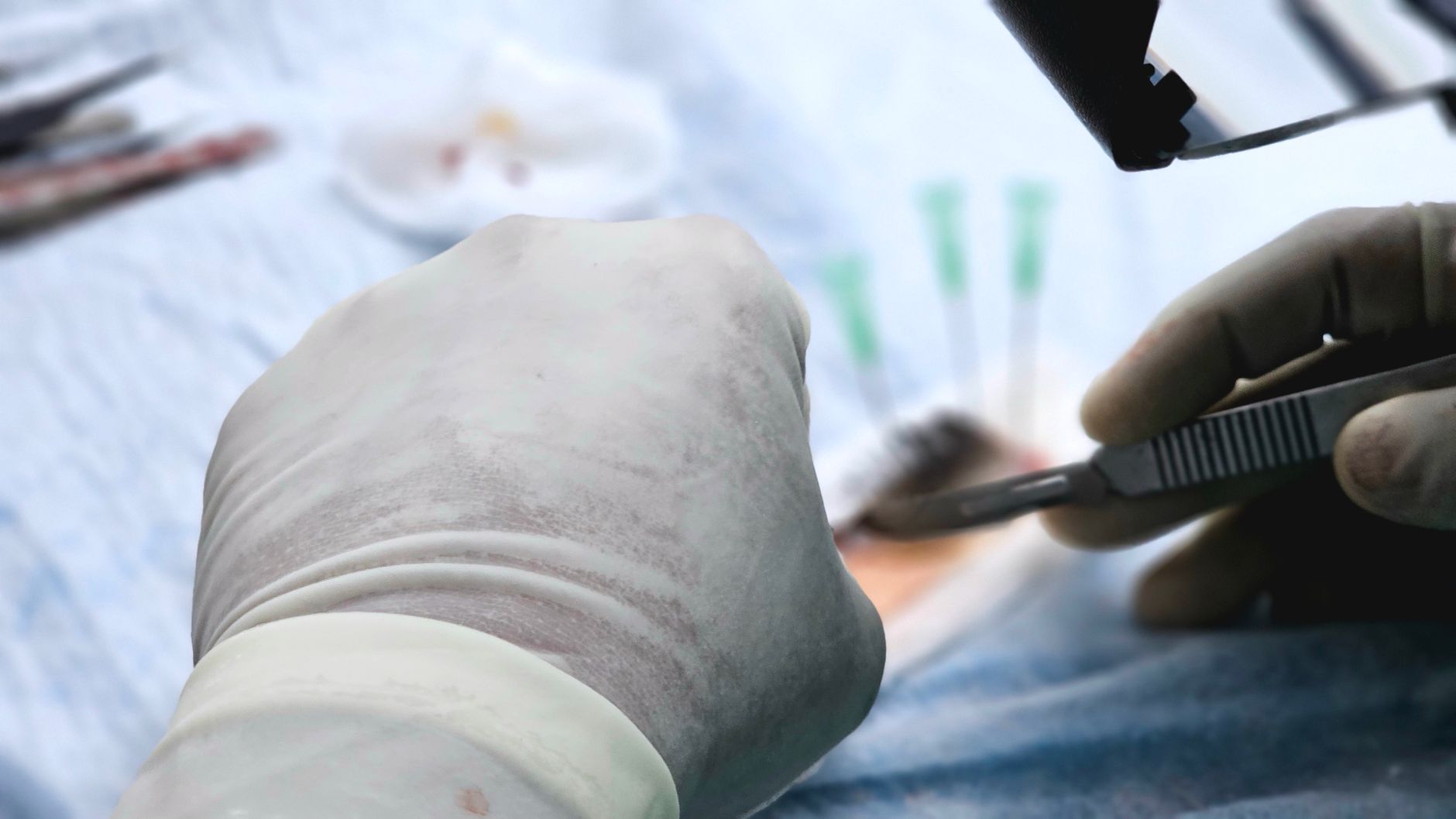 Patient journeyDonor Area After a Hair TransplantHow the donor area heals after FUE, what's n…What to expect
Common questions
How soon can I fly after a hair transplant?
Can I wear a hat on the plane?
How long should I stay in Turkey before flying home?
Will the swelling be an issue at the airport?
Does cabin pressure affect hair grafts?
Should I tell the airline I've had surgery?
Can I do a first wash before I fly?
Start with a free hair analysis
Share a few photos and our patient team will come back with an indicative plan, the technique that fits and the package that applies — no obligation.