Hair Transplant Techniques in Turkey
The main hair transplant techniques are FUE, DHI and Sapphire FUE. All three move your own follicles from a donor area, usually the back of the head, to thinning areas; they differ in how recipient channels are opened and grafts placed. Which suits you depends on hair type, donor supply and goals, and we confirm it at assessment.
The right technique depends on your hair type, donor area and the density you want. This hub explains the main methods we use and links to a detailed page for each.
What every modern technique has in common
Today's leading methods are all variations of follicular unit extraction: individual follicular units are harvested one by one from the donor area, so there is no linear strip scar. The procedure is carried out under local anaesthetic, usually across a single day for most cases, and the transplanted hair sheds within a few weeks before regrowing over the following months.
Because the follicles come from areas that are typically resistant to the hormone linked to pattern hair loss, transplanted hair usually continues to grow long term. What changes between techniques is the tooling and the exact steps — which in turn affects candidacy, density and recovery in specific situations.
FUE — Follicular Unit Extraction
FUE is the foundation technique and suits the majority of cases. Grafts are extracted individually with a micro-punch, channels are opened in the recipient area, and grafts are placed into them. It gives natural density across the hairline, mid-scalp and crown, and leaves only tiny dot scars that are difficult to see once healed.
- Suits most hairline and mid-scalp cases
- No linear scar; short recovery for the donor area
- Works well for larger sessions where many grafts are needed
DHI — Direct Hair Implantation
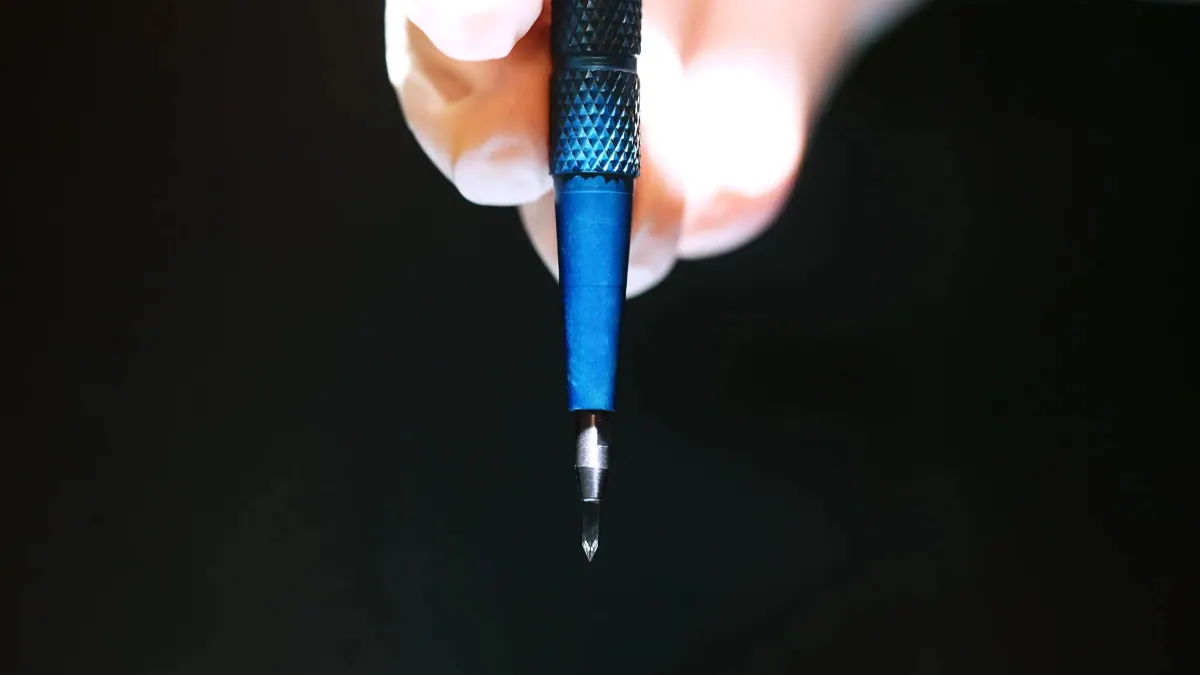
DHI uses an implanter pen that opens the channel and places the graft in one motion, giving fine control over the angle, depth and direction of each hair. That control makes it a strong choice for hairline detailing and dense packing in a defined area. Sessions can take longer, and for very large areas FUE is often the more practical choice. Where the pen helps and what it does not change are covered in our guide to DHI hair transplant in Turkey.
Sapphire FUE — FUE with sapphire blades
Sapphire FUE is FUE performed with sapphire-tipped blades to open the recipient channels. The finer, smoother incisions can allow closer, denser placement and may support quicker surface healing. It is a refinement of FUE rather than a different concept, and is frequently chosen where natural density across the front and mid-scalp is the priority. The blades, implanter pens and magnification behind each technique are explained in the equipment used.
How recovery differs between the techniques
Recovery is broadly similar across FUE, DHI and Sapphire FUE because all three are follicular-unit methods carried out under local anaesthetic with no linear scar. Most people manage some redness, tiny scabs and mild swelling for the first week, and many return to desk work within a few days. The finer incisions used in Sapphire FUE and the one-step placement of DHI can, in some cases, mean less recipient-area trauma, though healing still depends on your skin, aftercare and how closely grafts are packed.
Whichever method is used, the transplanted hairs shed within the first few weeks — this is normal shock loss, not failure — before the follicles begin producing new hair. Visible regrowth usually starts around month 4 and continues maturing through 9–12 months. Individual results vary, and your aftercare instructions follow the technique used.
Does the technique change how many grafts survive?
Graft survival depends far more on careful handling, short time outside the body and skilled placement than on which of these three methods is chosen. DHI's implanter pen minimises the handling of each graft and can suit very dense packing; Sapphire FUE's smooth channels can allow close placement with good healing; standard FUE is highly reliable across most cases. No technique offers a guaranteed take rate, and any specific survival percentage should be treated with caution unless it is clearly sourced. What consistently matters is an experienced team and a realistic plan.
How the technique affects treatment time — and why not the price
At Natural Hair Turkey the technique does not change the price: FUE, Sapphire FUE and DHI share the same three package prices, between €1,600 and €2,100 (approx. $1,850–$2,400), for up to 5,000 grafts. What does differ is the day itself. DHI placement with an implanter pen is more time-intensive, and larger cases take longer in the chair. Your session length is confirmed once your graft plan is assessed.
Payment is taken in euros; dollar amounts are approximate.
- FUE — efficient for larger sessions
- Sapphire FUE — finer channels for dense placement, similar session length to FUE
- DHI — longer placement time with implanter pens
Unshaven and long-hair options
For smaller cases, some patients want to avoid a full shave. Unshaven and partially-unshaven approaches — often paired with DHI for its one-step placement — can keep surrounding hair long so the change is less obvious while you heal. They suit limited graft numbers rather than large sessions, and not every case is a candidate. Whether an unshaven option is realistic for you depends on the area treated and your donor supply, which we confirm at assessment.
Combining methods in one procedure (hybrid)
Some procedures combine methods instead of using one technique for the whole scalp — for example pen-style DHI placement for fine hairline detail and FUE-style placement across larger areas. A hybrid plan is not better in itself: it is a planning choice that depends on the zones being treated, and your assessment decides whether it makes sense for you.
How we choose the right method for you
There is no single "best" technique for everyone. The decision weighs your donor density and hair characteristics, the size and location of the area being treated, whether you want to keep existing hair long (unshaven options), and your recovery preferences. Our team reviews your photos, and we confirm the plan — including graft count and technique — before anything is booked.
| FUE | DHI | Sapphire FUE | Unshaven | |
|---|---|---|---|---|
| Extraction | Micro-punch | Micro-punch | Micro-punch | Micro-punch |
| Implantation | Into pre-made channels | Implanter pen (all-in-one) | Into sapphire-blade channels | Between existing long hair |
| Often chosen for | Most cases, larger sessions | Hairline detail, targeted density | Close graft placement, front & mid-scalp | Smaller cases, keeping hair long |
| Linear scar | None | None | None | None |
| Shaving | Usually | Often partial | Usually | Minimal |
| Angle & placement | Channels first, then grafts | Pen sets angle and depth per graft | Finer channels, sapphire blade | Placed between existing hair |
| Healing | Redness and small scabs early on; varies by person | Similar to FUE | Similar to FUE | Similar; long hair can cover the early phase |
| Time in the chair | Efficient for larger sessions | More time per graft | Similar to FUE | Longer; suits smaller sessions |
| Price | Same package price | Same package price | Same package price | Same package price |
Methods
CompareHair Transplant Techniques in TurkeyCompare FUE, DHI, Sapphire FUE and unshaven hair transplant…Compare techniques 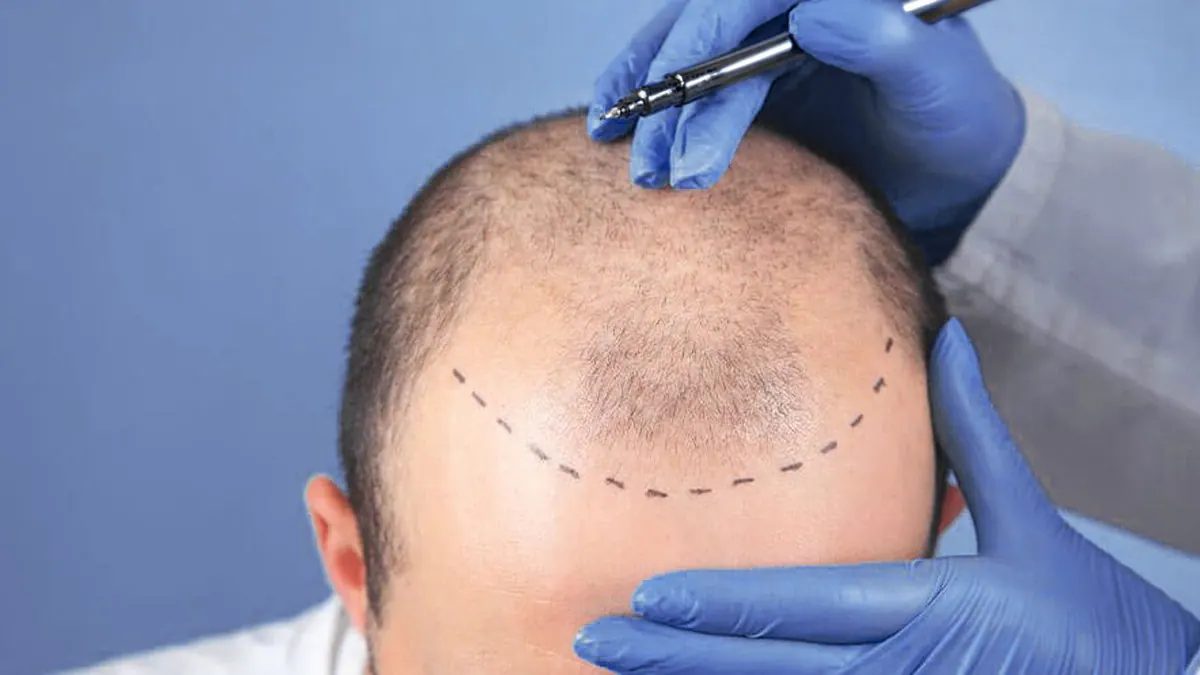 TechniqueFUE Hair Transplant in TurkeyHow FUE takes grafts one by one, how much your donor area ca…How it works
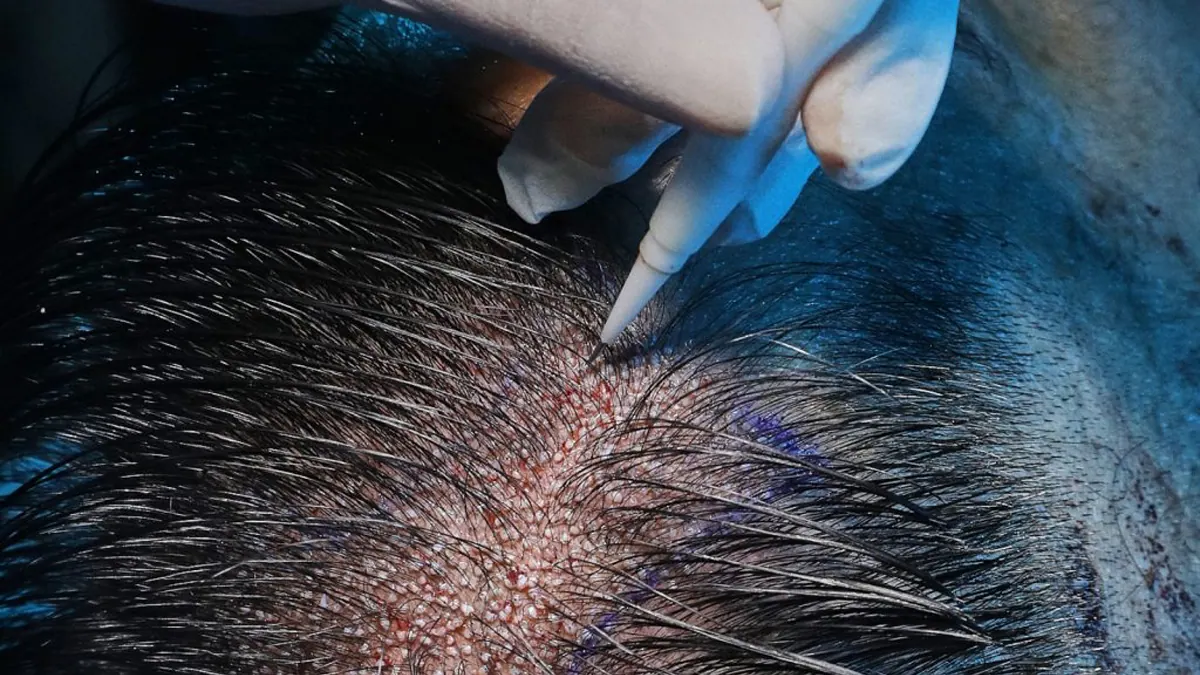 TechniqueDHI Hair Transplant in TurkeyDHI places each graft with an implanter pen in one motion. W…How it works
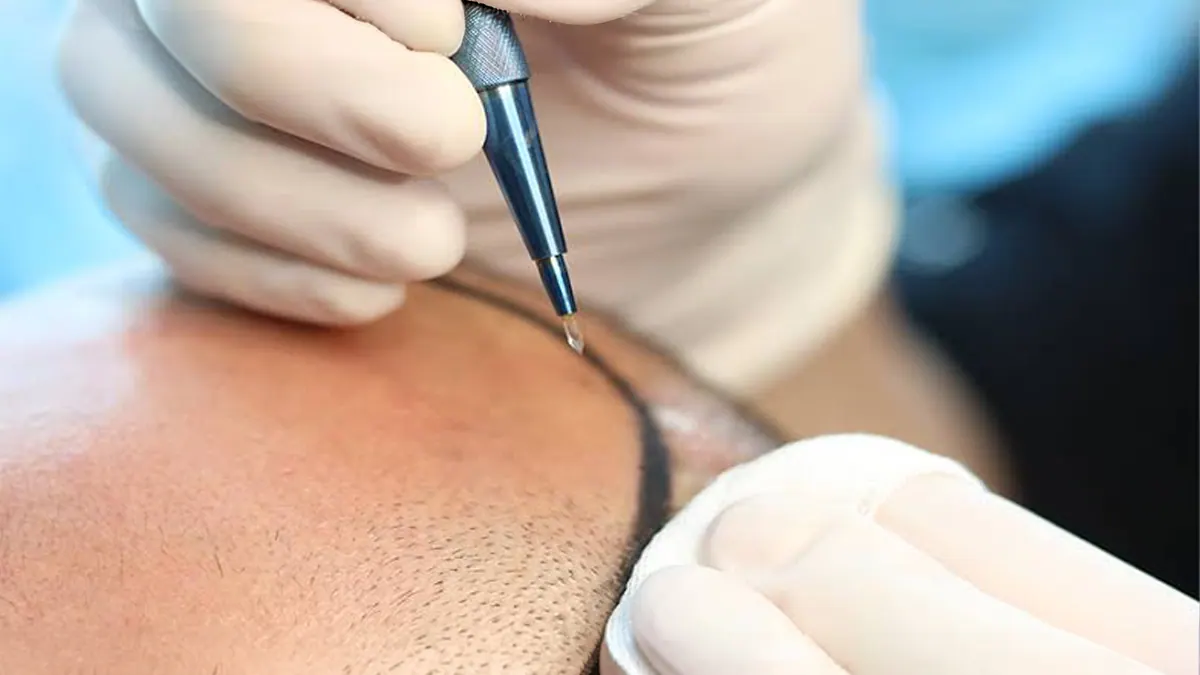 TechniqueSapphire FUE Hair Transplant in TurkeySapphire FUE opens the graft channels with sapphire blades i…How it works
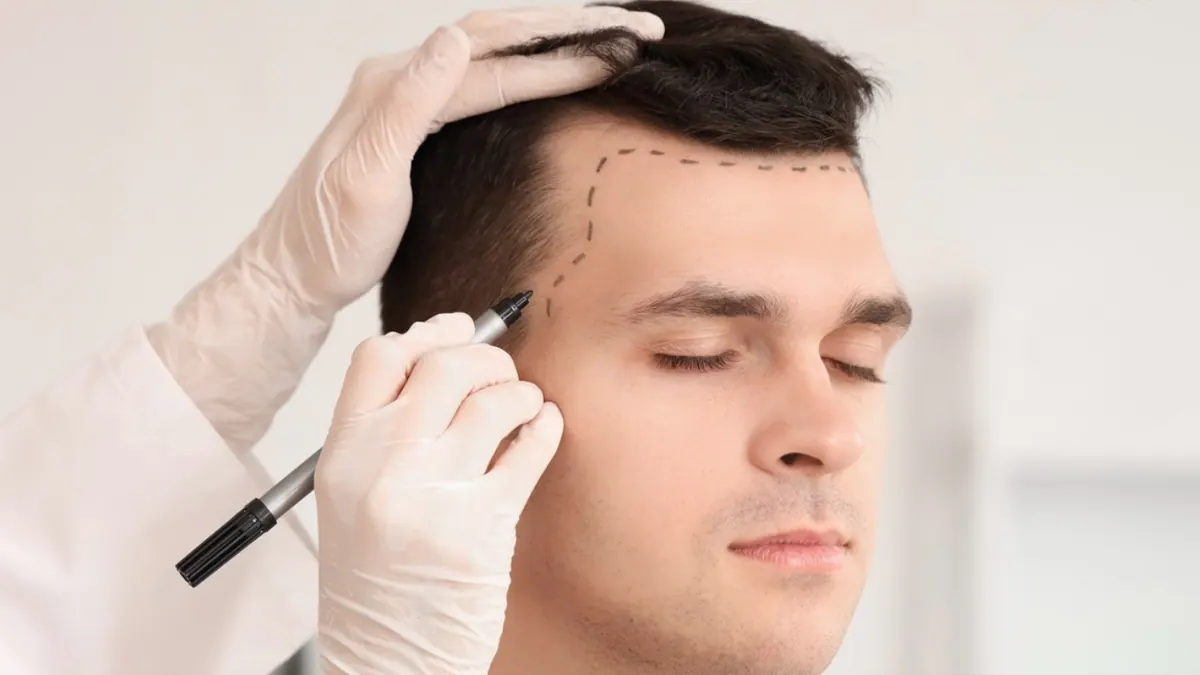 GuideNo-Shave Hair Transplant in TurkeyA no-shave hair transplant leaves surrounding hair uncut, so…Read the guide
Comparisons
Suitability, risks & alternatives
General guidance only — we confirm whether a procedure is appropriate for you at a personal assessment.
Potential risks
- Temporary shock loss of existing hairs around the transplanted zone
- Swelling, redness, scabbing and numbness in the first days to weeks
- Small dot scars in the donor area (usually hard to see once healed)
- Variable graft survival and, occasionally, folliculitis or infection
Risks are individual and are discussed in full during your consultation.
Alternatives to consider
Recovery timeline
Most people return to desk work within a few days; transplanted hairs shed early and regrow over 9–12 months.
A hair transplant is an elective medical procedure. Suitability, technique and graft numbers are confirmed at a personal assessment — this page is general information, not a diagnosis or a treatment plan.
Hear it from patients
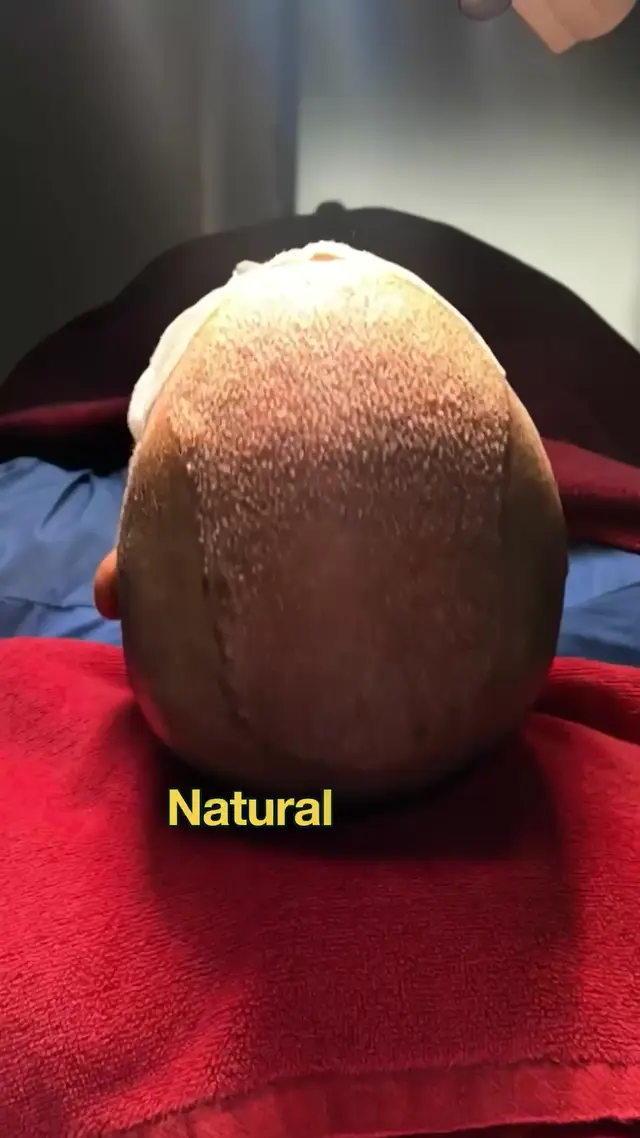
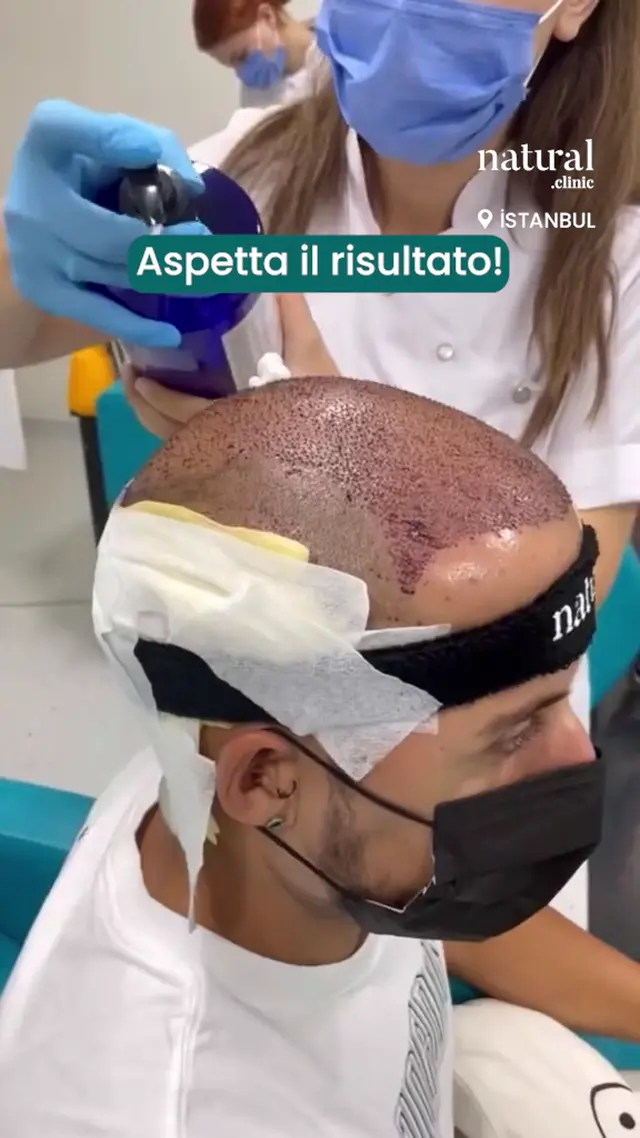
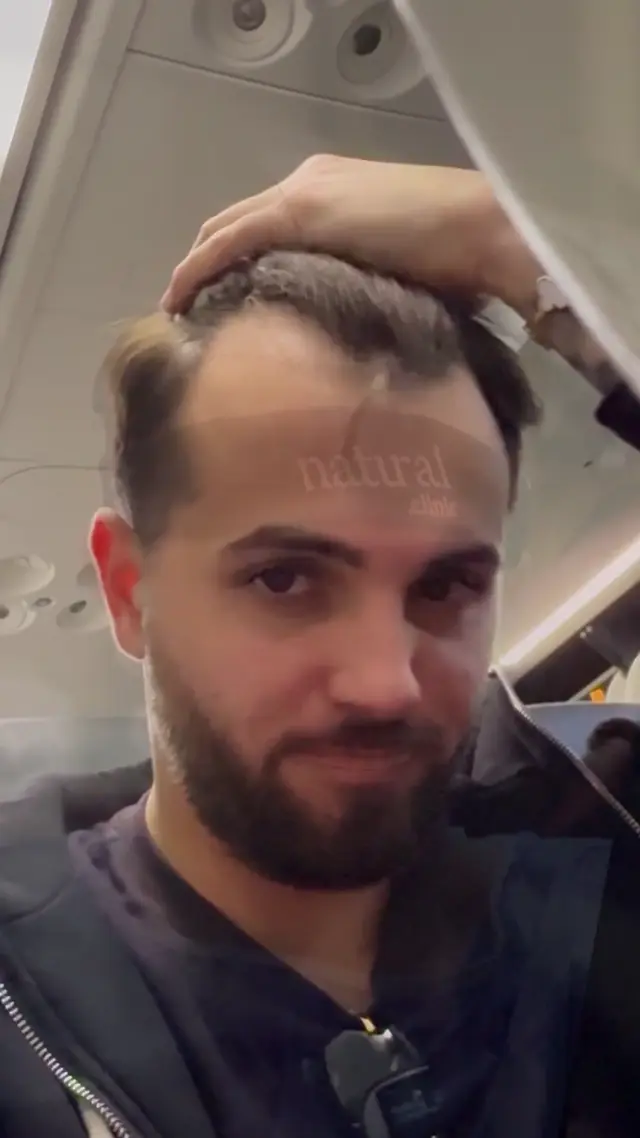
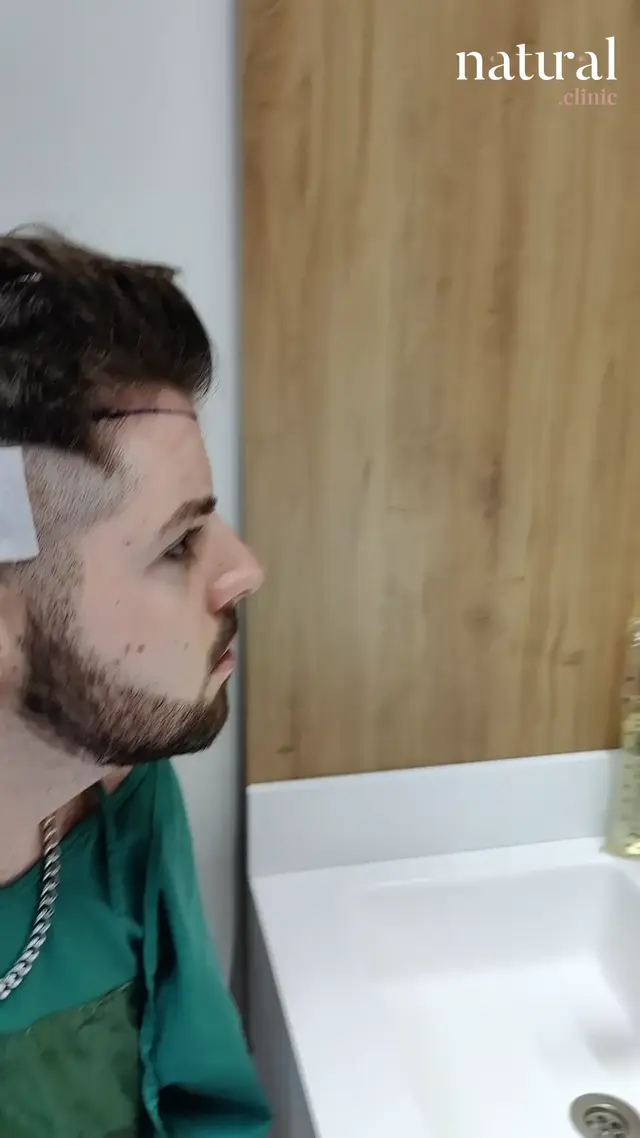
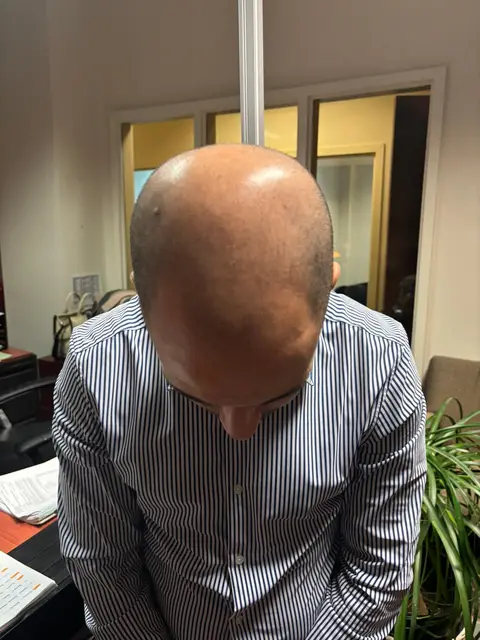
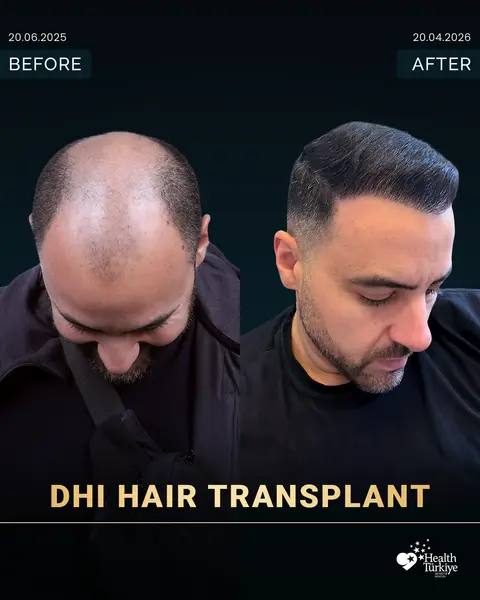
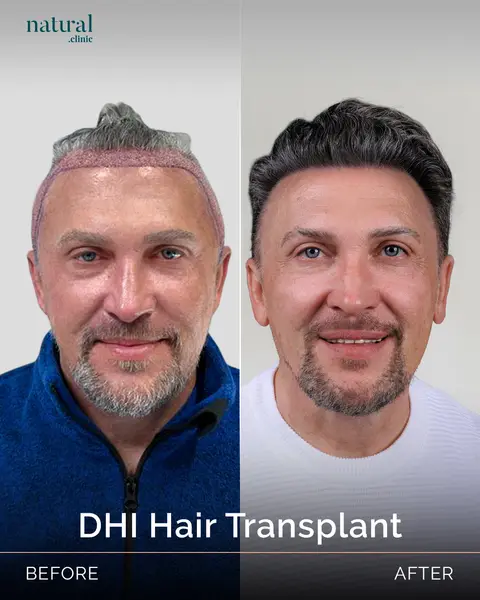
Short vertical stories in patients’ own words. Individual results vary.
Common questions
Which hair transplant technique is best?
Does the technique affect whether results are permanent?
What is the difference between FUE and older strip (FUT) surgery?
Which technique gives the most natural hairline?
Is DHI better than FUE?
Will I need my head shaved?
Is Sapphire FUE the same as normal FUE?
Can more than one technique be used in a single procedure?
Start with a free hair analysis
Share a few photos and our patient team will come back with an indicative plan, the technique that fits and the package that applies — no obligation.