
Female Hair Transplant Before & After
Female before-and-after photos usually look different from men's: women more often have diffuse thinning across the mid-scalp or a widening part rather than a receding hairline, so the "after" tends to show restored density and a softer parting rather than a rebuilt hairline. Honest galleries also show that photos are taken at consistent angles and lighting, and that regrowth takes many months to mature. Any images should be understood as individual cases — your own result depends on your pattern, donor supply and the underlying cause, which we confirm at a personal assessment; individual results vary.
 Natural Hair TurkeyIstanbul · Personal assessment
What a female before-and-after actually shows
Women's cases are usually about density and framing rather than rebuilding a hairline from scratch. A typical before photo might show a see-through mid-scalp, a widening centre part or thinning at the temples, while the after shows fuller coverage and a more defined parting once grafts have grown in. Because female thinning is often diffuse, the change can be subtler than a male hairline case and is best judged in the same lighting, parting and camera angle.
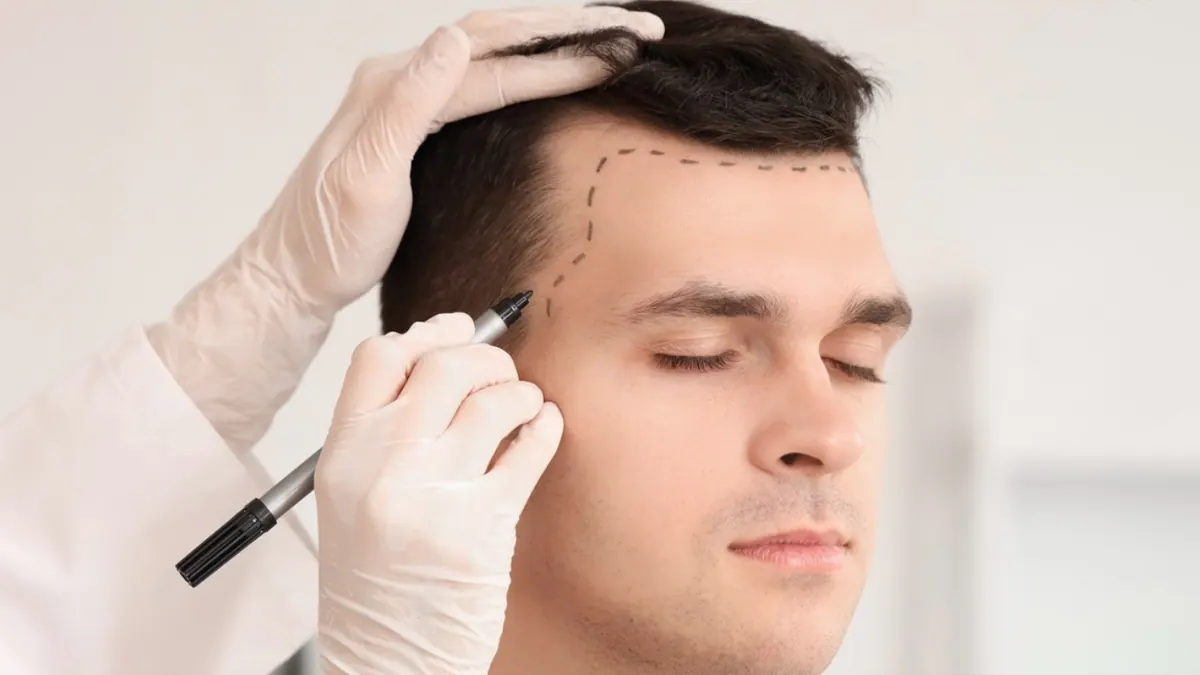
Lowering or reshaping a hairline and filling the temples is also possible for women who have a naturally high or receding front, but the goal is usually a soft, feminine outline rather than a dramatically lower line. Honest galleries make the timeframe clear: shedding of transplanted hairs is normal in the first weeks, and meaningful density usually appears from several months onward, with the fuller picture typically at around nine to twelve months.
Why medical causes must be ruled out first
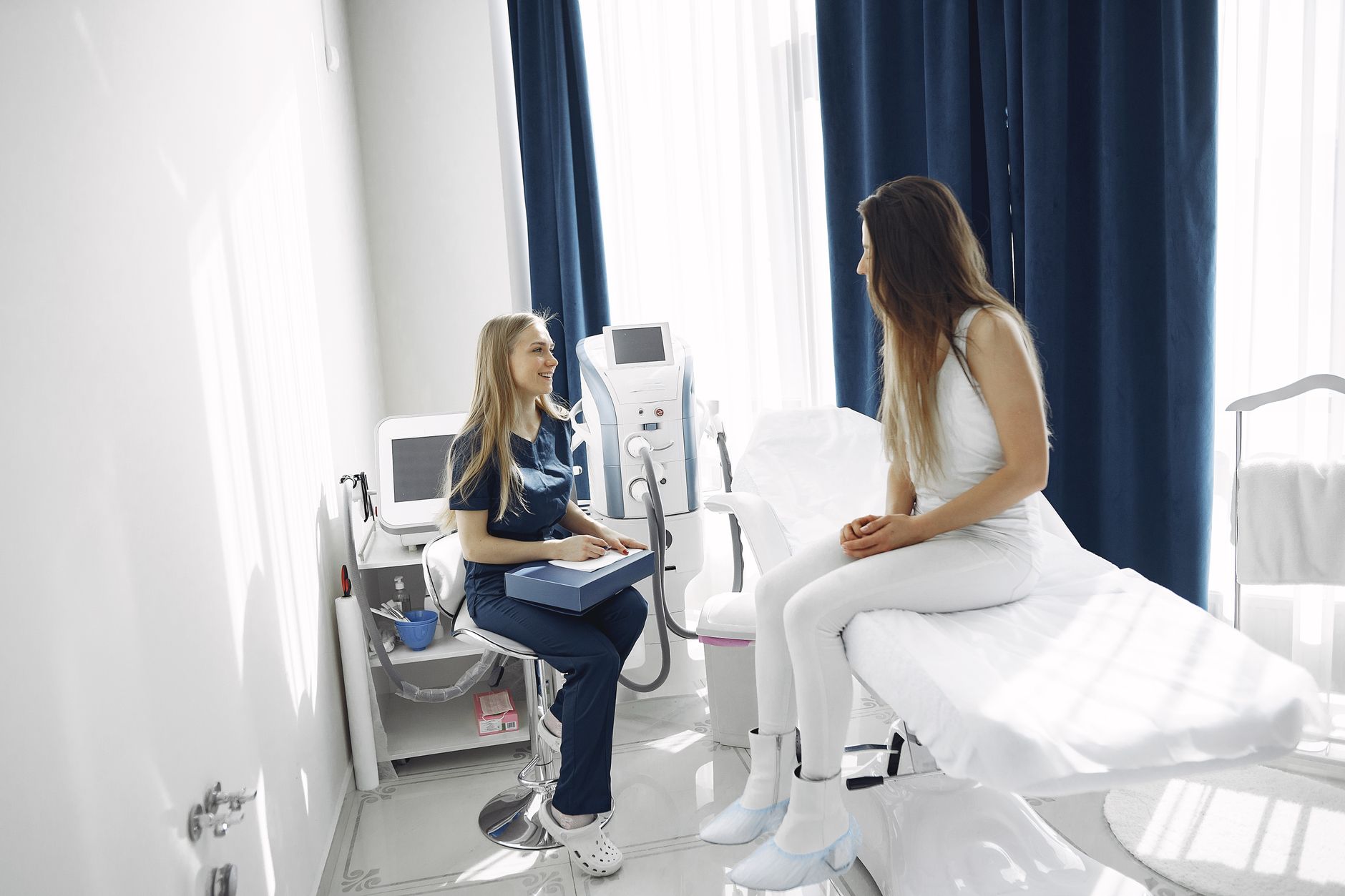
Unlike most male cases, thinning in women can be driven by causes that a transplant does not treat — thyroid imbalance, iron or other deficiencies, hormonal changes, telogen effluvium after stress or pregnancy, and certain scarring conditions. Moving grafts into an area that is thinning for one of these reasons can waste donor hair and disappoint, which is why a responsible clinic asks for relevant blood work and history before recommending surgery.
This is the single biggest reason a before-and-after gallery should never be read as a promise. We confirm whether you are a suitable candidate — and whether a transplant, a medical route, or a combination is more appropriate — only after a personal assessment. Where an underlying condition is active, stabilising it usually comes first, and some women are advised that surgery is not the right step at all.
Unshaven approaches and why women often prefer them
Many women want to avoid shaving their existing long hair, so partially shaved or unshaven techniques are common. In an unshaven approach the donor area is trimmed under longer surrounding hair, or grafts are taken selectively, so day-to-day appearance is less affected during regrowth — a practical consideration reflected in how female before-and-after photos are staged.
These approaches can take longer in the operating chair and may suit some cases better than others depending on graft numbers and hair length, so they are not automatic. Whether an unshaven, partially shaved or standard method fits your case is decided at assessment, alongside the technique (for example FUE or DHI) and a realistic graft count.
How to read the photos honestly
Look for consistency: the same angle, parting, lighting and hair length before and after tell you more than a flattering restyle. Wet-hair or slicked-back shots reveal density more truthfully than a fresh blow-dry. Be cautious of images with no timeframe, since a photo taken at three months looks very different from one at a year.
Treat any gallery as a set of individual cases rather than an expected outcome for you. Coverage, hair characteristics, donor supply and the underlying cause all shape what is achievable, and two women with similar-looking before photos can have different results. A surgeon sets realistic expectations for your case at assessment; individual results vary.
Density gain versus a lower hairline: two different female goals
Women's before-and-after cases tend to fall into two broad aims that look quite different in photos. The more common is added density through a diffusely thinning mid-scalp or widening part, where the after shows a fuller parting and less visible scalp rather than a redrawn front. The second is lowering or reshaping a naturally high or receding hairline and filling the temples, where the frame of the face changes. Reading which goal a photo addresses stops you comparing unlike cases.
Density work is often the subtler result to photograph, because the change is spread across an area rather than concentrated at an edge — which is exactly why consistent parting, lighting and hair length matter so much in a fair comparison. What is realistic for your own case, and whether density, hairline work or both suit you, is set by a surgeon after ruling out medical causes; individual results vary.
Request your free hair analysis
Share a few details and photos; our patient team replies with an indicative graft count, the technique and the package that applies. Your data is handled per our privacy policy and used only for your assessment.
Where to go next
 GuideFemale Hair Transplant in TurkeyHair transplants for women — diffuse thinnin…Read the guide ResultsHair Transplant Before & After in TurkeyConsented before-and-after case examples by…See results
 GuideNo-Shave Hair Transplant in TurkeyA no-shave hair transplant leaves surroundin…Read the guide PricingHair Transplant Cost in TurkeyWhat a hair transplant really costs in Turke…See the numbers GuideContact Natural Hair TurkeyGet in touch for a free hair analysis — What…Read the guide
Common questions
Do female before-and-after results look different from men's?
Can I have a transplant without shaving my long hair?
Are the photos I see a guarantee of my result?
Why do female results sometimes look subtler than men's in photos?
Why does the clinic want blood tests before showing me a plan?
When should I judge my own before-and-after result?
Can a hair transplant lower a naturally high female hairline?
Start with a free hair analysis
Share a few photos and our patient team will come back with an indicative plan, the technique that fits and the package that applies — no obligation.