
Body Hair Transplant in Turkey
Understand when body and beard hair can supplement a depleted scalp donor, the honest trade-offs in texture and yield, and the questions to ask a qualified hair restoration professional before choosing a clinic in Türkiye.
General guidance — not medical advice. Body hair transplant (BHT) is an advanced, case-specific technique, best used to supplement scalp grafts rather than replace them, and it needs an experienced surgeon.
 Supplement, not replaceScalp donor comes first
Body hair transplant in Turkey at a glance
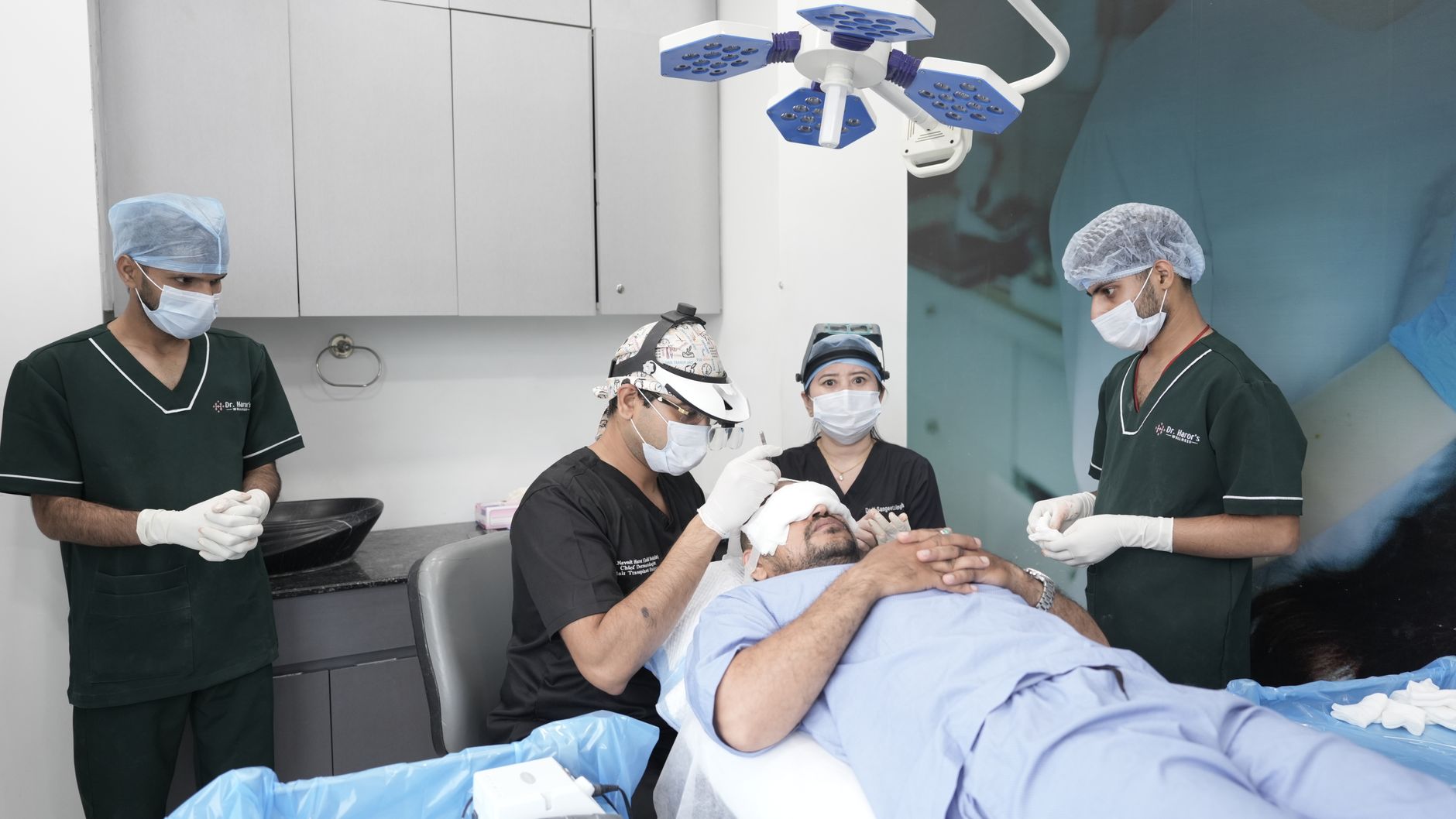
A body hair transplant uses follicular unit extraction (FUE) to harvest hair from outside the usual scalp donor area — most often the beard, and sometimes the chest, abdomen or other body sites — and place it into thinning or bald areas of the scalp. It is generally considered when the scalp donor is limited or depleted, and works best as a supplement to scalp grafts rather than a stand-alone source.
Usually people with advanced loss or repair cases whose scalp donor is depleted, who still have usable beard or body hair. Suitability is individual and depends on a clinical assessment of every donor area.
Body hair transplants are priced after a personal assessment, not from the standard packages, because the plan depends on which donor areas are used and how scalp and body grafts are split.
Beard is the most useful body source, followed by chest; abdomen, back and other sites are used less often. Each differs in texture and growth cycle, so the plan should match hairs to where they go.
Body hair often has a shorter growth cycle, different texture and lower yield than scalp hair, so survival and final density are less predictable. Realistic expectations and an experienced surgeon matter most.
What is a body hair transplant?
A body hair transplant (BHT) extends the FUE principle beyond the scalp: instead of taking every graft from the back and sides of the head, the surgeon also harvests follicles from the beard or body and places them on the scalp. The main reason to do this is a shortage of scalp donor hair — for example in advanced hair loss, or when previous surgery has used up much of the usual donor zone.
Not all body hair behaves like scalp hair. Beard hair is typically thicker and grows well, which is why it is the most useful body source, often used to add density to the crown or to help repair work. Chest and other body hair tends to be finer, curlier and to have a shorter growth phase, so it grows to a shorter length and its yield is less predictable. Matching each hair type to the right area is part of the skill.
BHT does not create new follicles or stop future loss, and it is not a shortcut to unlimited grafts. It is a demanding technique that adds donor capacity in selected cases, usually alongside scalp grafts. Whether it is appropriate, and how much can realistically be achieved, depends on an in-person evaluation by a qualified hair restoration professional.
 Body Hair Transplant in Turkey
Body hair transplant in Turkey cost
Body hair transplants are not covered by the standard package prices; the price is confirmed after a personal assessment. Body and beard grafts are slower and more labour-intensive to extract than scalp grafts, and the plan depends on which donor areas are used. Turkey is widely searched for value, but a lower headline price tells you nothing about experience or inclusions — compare like for like.
BHT is a specialised technique, so surgeon experience with body and beard donor work matters more than the headline number. Ask whether the quote separates scalp and body grafts, and what happens if the body donor yields fewer usable grafts than hoped on the day.
What drives the price
- Number of graftsMore grafts mean more extraction and placement time, and body grafts are slower to harvest; your price is confirmed after assessment.Ask: How many grafts are planned, from which donor areas?
- Donor areas usedBeard, chest and other sites differ in extraction difficulty, so the mix affects time and the plan.Ask: Which donor areas are planned, and why each one for me?
- Surgeon experience with BHTBody and beard extraction is a specialised skill; experience affects both safety and results.Ask: How much body and beard donor work does the surgeon do?
- Scalp vs body graft splitBody hair is usually a supplement, so the plan should show how much comes from the scalp.Ask: How many grafts come from the scalp versus the body?
- Anaesthesia & session lengthBHT often means longer or multiple sessions, which affects comfort and planning.Ask: How long is the session, and is more than one planned?
- Realistic yield expectationsBody grafts can have lower survival, so the estimate should be honest, not optimistic.Ask: What yield do you realistically expect from body grafts?
- Package inclusionsHotel, transfers, medication, PRP and aftercare are sometimes bundled, sometimes not.Ask: Exactly what is included in this package, in writing?
- Follow-up & revisionsAftercare and any touch-up policy protect your long-term result.Ask: What follow-up and revision policy applies, and for how long?
Questions to ask about any quote
- Clinic and surgeon names
- Donor areas used (beard / chest / body)
- Scalp vs body graft split
- Who performs each step
- Anaesthesia and session length
- Aftercare kit and washing plan
- Realistic yield expectations set out
- Written follow-up & revision policy
Body hair transplant donor sources in Turkey
Select a donor source to see what it is best for, how it is usually planned and the key question to ask. The right mix depends on your hair type, how much scalp donor remains and your goals — body hair is chosen to supplement, not to chase graft numbers.
Beard (chin & neck) as donor
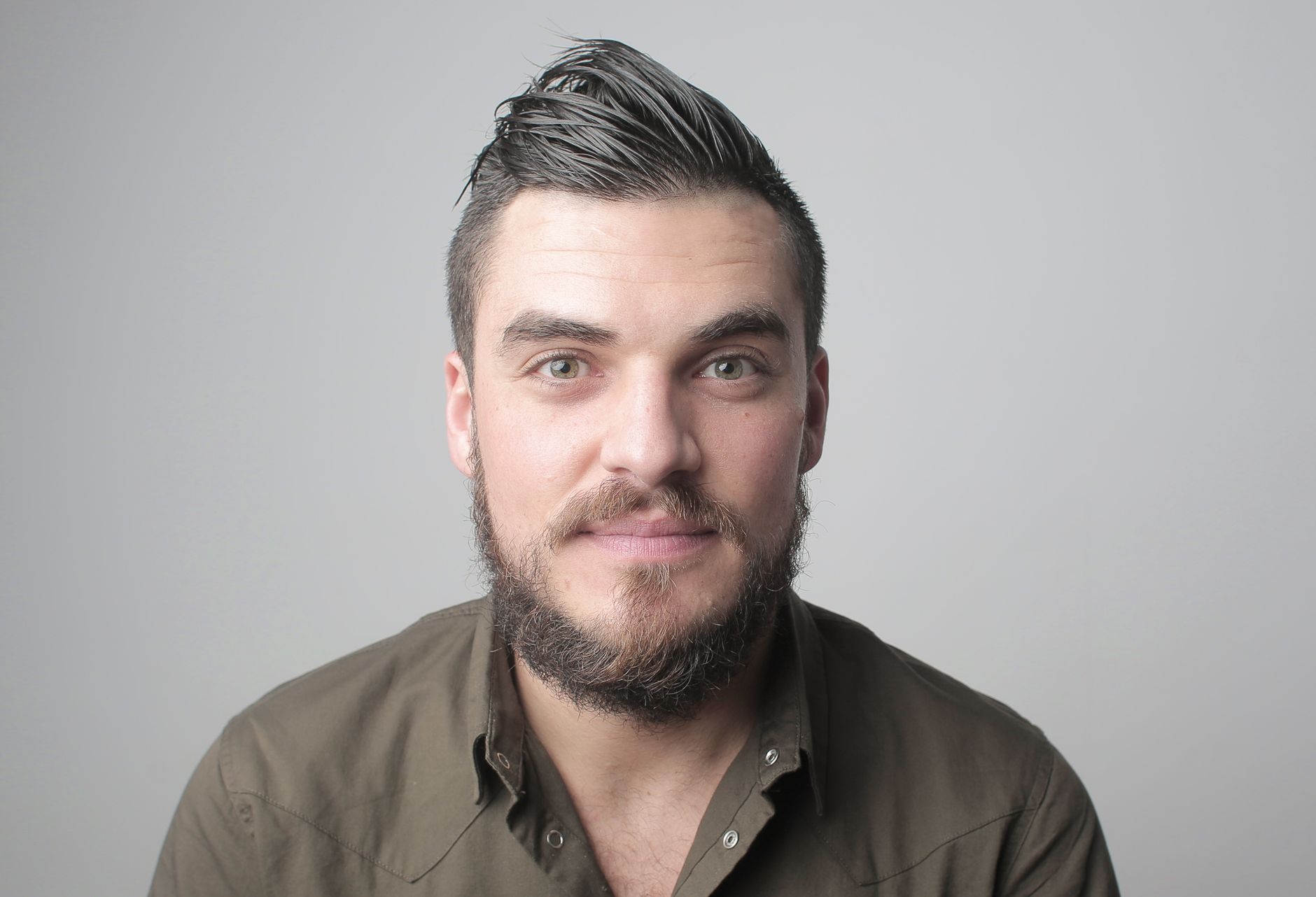
Moderate complexityBeard hair, usually taken from under the chin and neck, is the most useful body source. It is often thicker and grows well, making it valuable for adding density to the crown or for repair cases. Placement and angle need care so it blends with scalp hair.
Learn more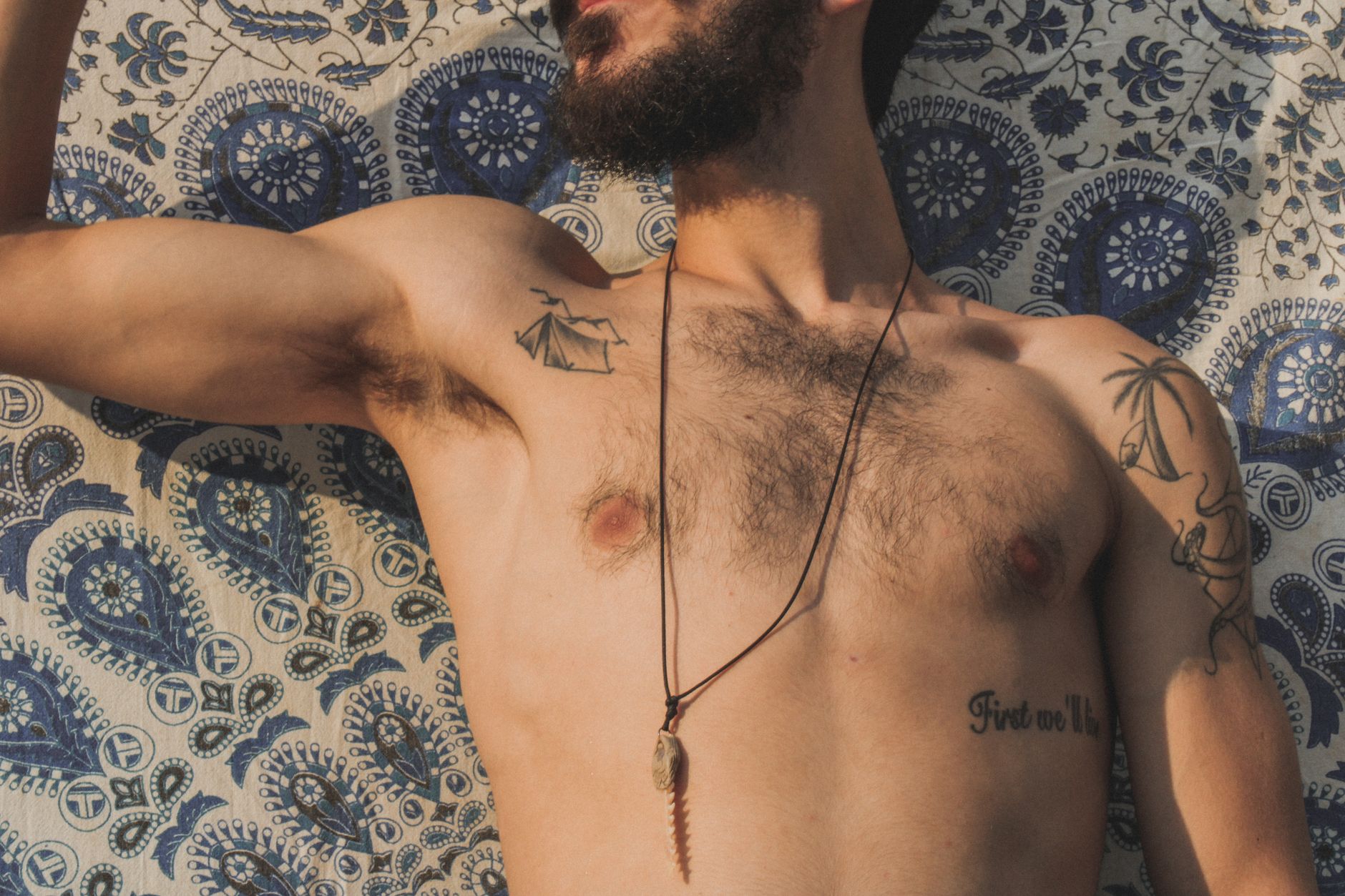
Chest hair as donor
Higher complexityChest hair can be harvested when scalp and beard donor are limited. It is usually finer and curlier with a shorter growth cycle, so it grows shorter and yield is less predictable. Often blended with scalp grafts rather than used alone.
Abdomen & back as donor
Higher complexityOther body areas such as the abdomen or back are used less often and only in selected cases. Hair caliber, curl and growth phase vary widely, so these sites are typically a last-line supplement chosen with careful expectations.
Scalp + body combined (typical BHT)
Higher complexityThe most common real-world approach: scalp grafts form the base and body or beard grafts supplement them where the scalp donor cannot cover the area. Matching hair types to the right zones is central to a natural result.
Repair / scar cases
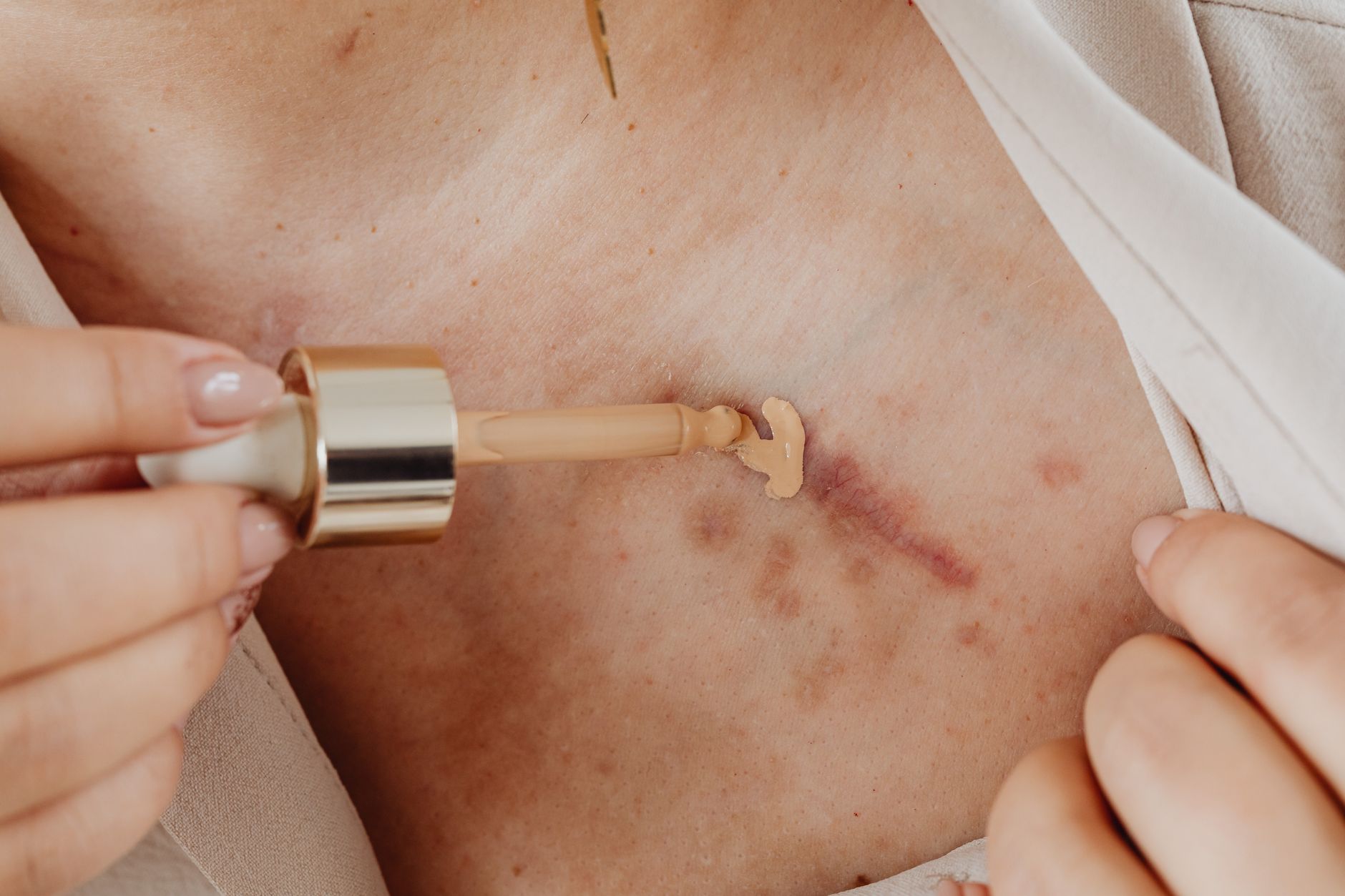
Case-dependent complexityBHT is sometimes used to add coverage in repair work or over old scars where scalp donor is exhausted. These are complex cases where experience and honest planning matter more than graft count.
| Donor sources | Best suited to | Procedure time | Sessions |
|---|---|---|---|
| Beard (chin & neck) as donor | Crown & repair | Part of a day to a full day | Often one |
| Chest hair as donor | Scarce donor | Full day, slower extraction | Sometimes |
| Abdomen & back as donor | Very depleted donor | Full day, slow extraction | May stage |
| Scalp + body combined (typical BHT) | Advanced loss | Long or multiple sessions | Often staged |
| Repair / scar cases | Repair cases | Case-dependent | Often staged |
Scalp vs beard vs body hair as donor
These are the three donor tiers a surgeon works through. Scalp hair is the first choice, beard is the most useful supplement, and other body hair is a last-line addition. They differ in texture, growth cycle and how predictable the yield is — the right mix depends on your case, not on maximising graft numbers.
| Scalp hair | Beard hair | Other body hair | |
|---|---|---|---|
| Usual role | Primary donor | Most useful supplement | Last-line supplement |
| Texture & caliber | Best scalp match | Often thicker, grows well | Finer, often curlier |
| Growth cycle | Long, like scalp | Relatively long | Shorter, grows shorter |
| Yield predictability | Most predictable | Reasonably good | Less predictable |
Clarify before comparing quotes
- How much usable scalp donor do I still have?
- Which body areas are proposed, and why each?
- What is the realistic yield from body grafts?
- How will hair types be matched to each zone?
- Is this one session or staged over time?
- Who personally performs the body extraction?
Body hair is a supplement, not a shortcut Reaching for body grafts to promise very high numbers is a red flag. Judge a plan on honest donor assessment, texture matching and surgeon experience — not on the biggest graft count.
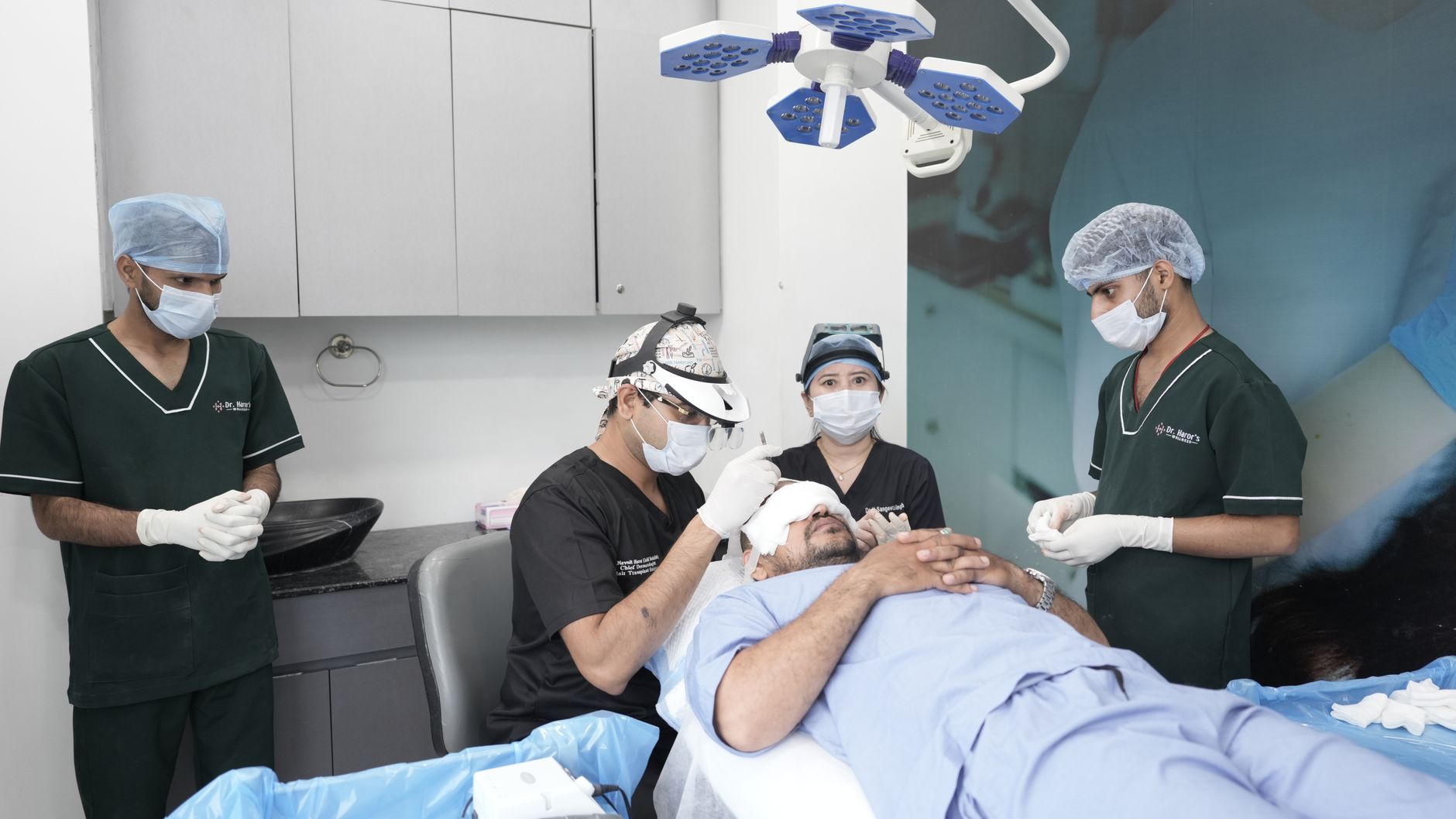
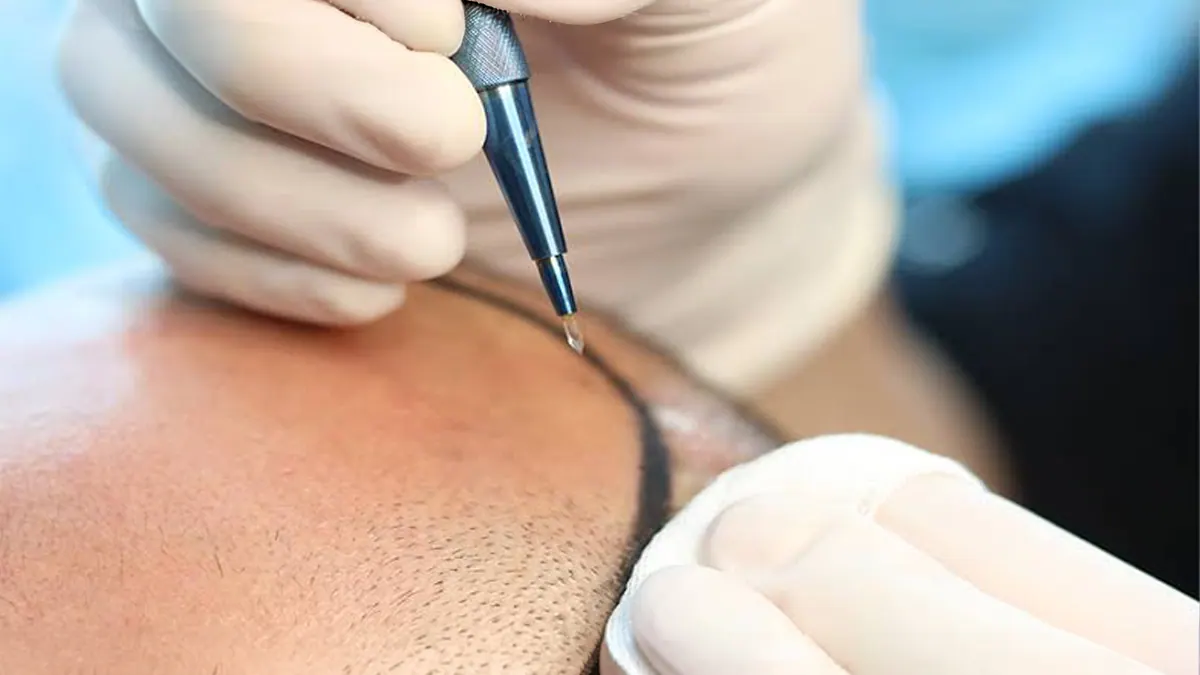
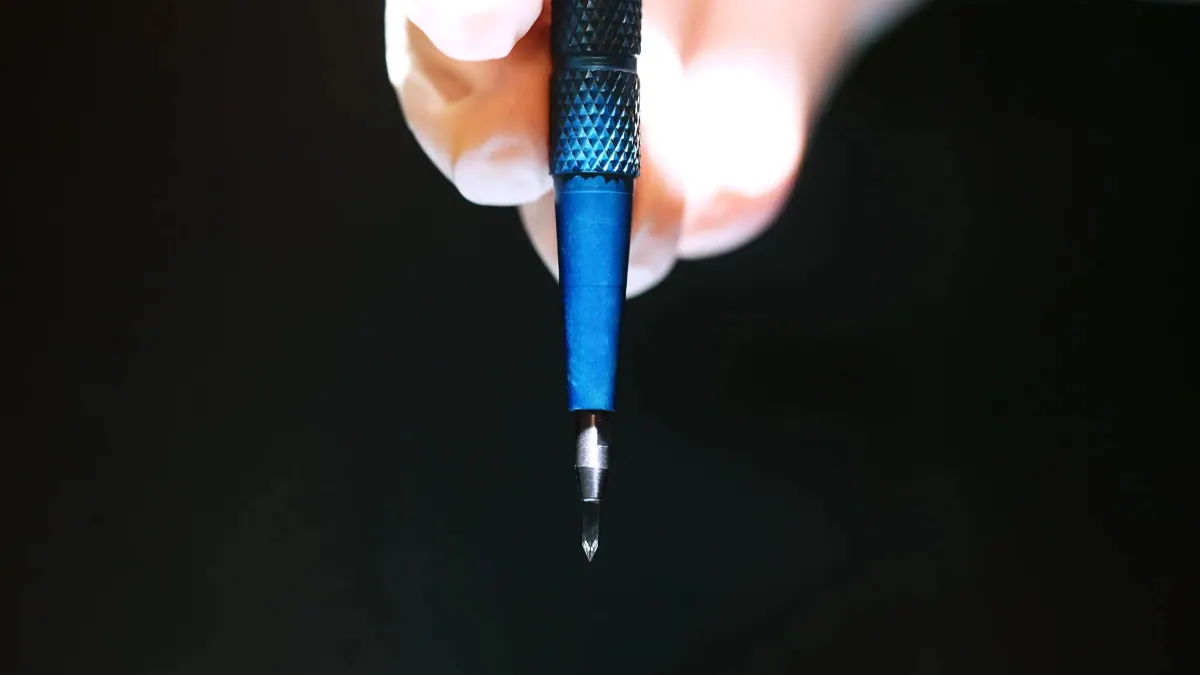
Body hair transplant treatment timeline
A typical journey from first consultation to a more settled result. Exact timing is individual and confirmed by your clinic.
Consultation & donor mapping
The scalp, beard and body donor areas are assessed and mapped; the graft plan, donor mix and realistic goals are agreed.
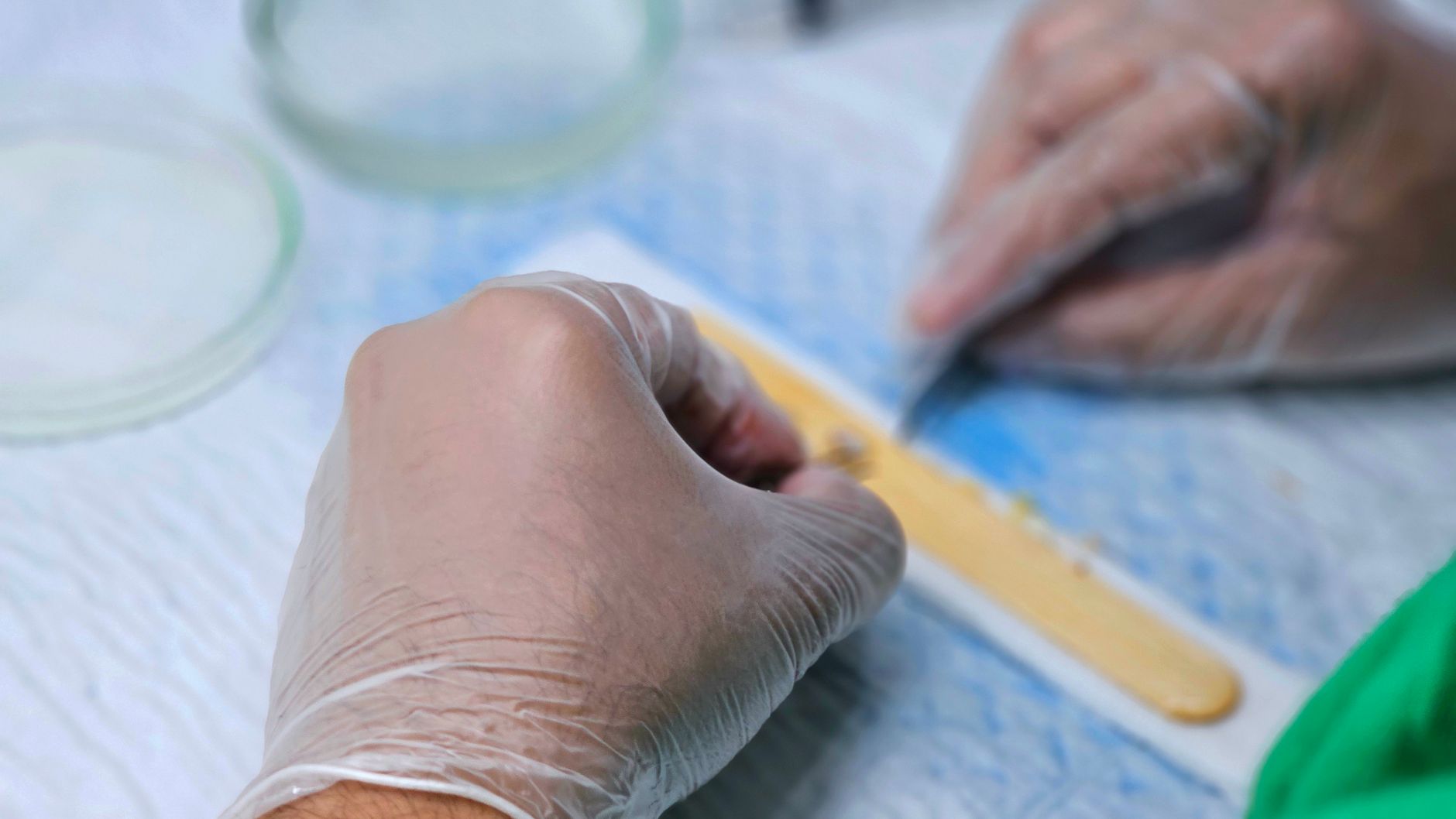
Donor preparation
The chosen donor areas are trimmed as needed and local anaesthesia is applied for comfort during extraction.
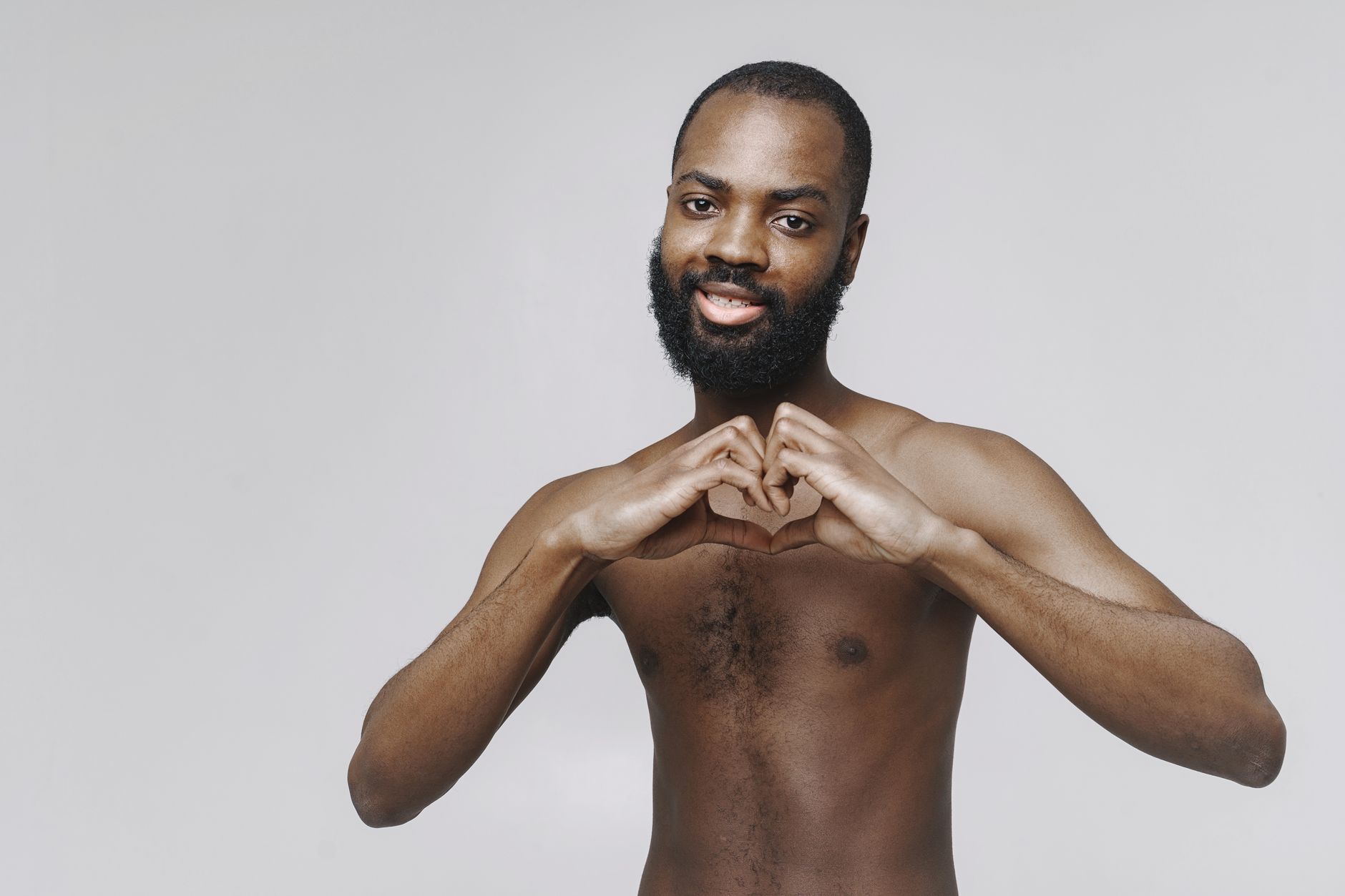
Body & beard extraction
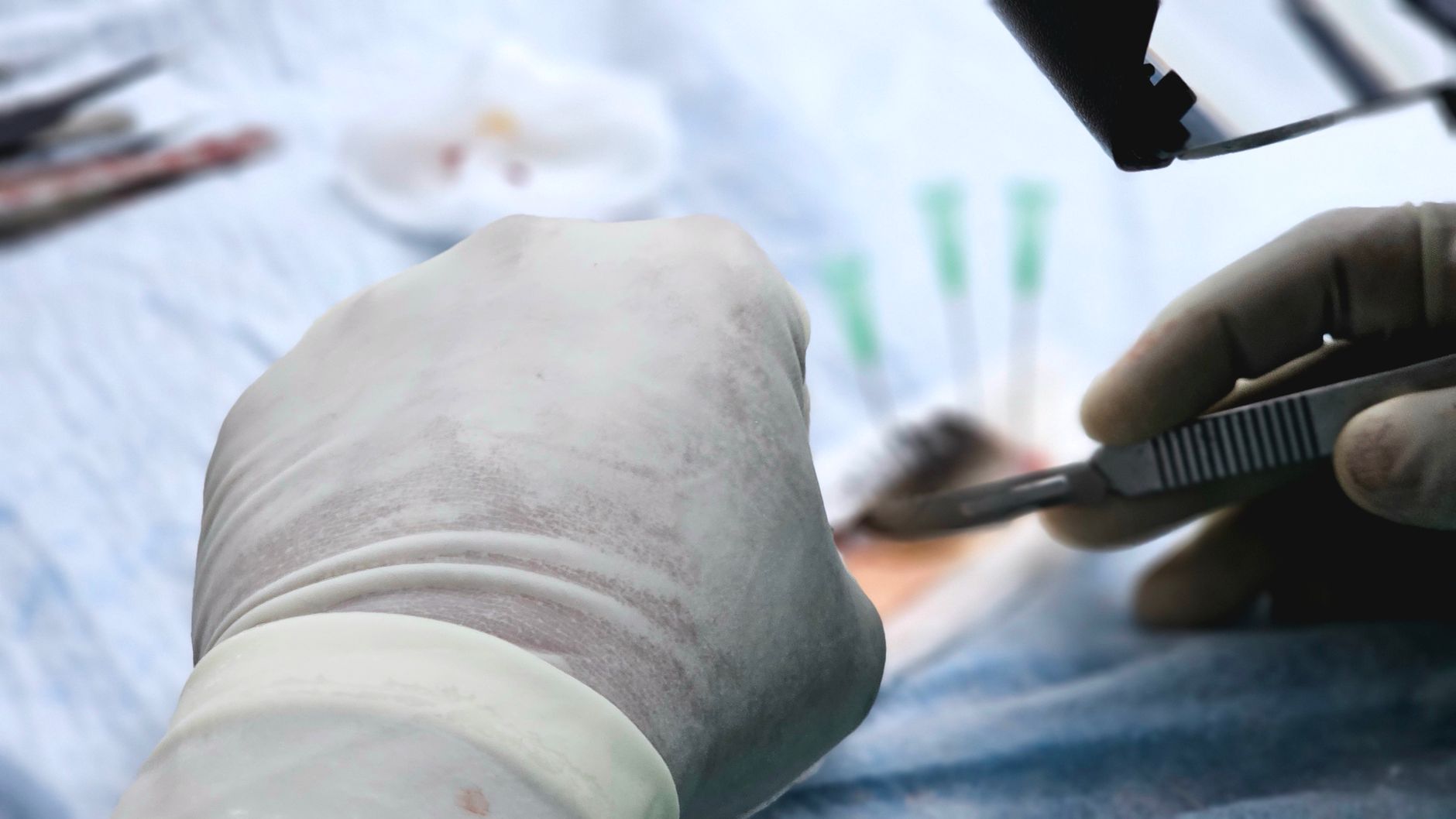
Follicular units are harvested from beard and body sites one by one — slower than scalp extraction — and kept in a protective solution.
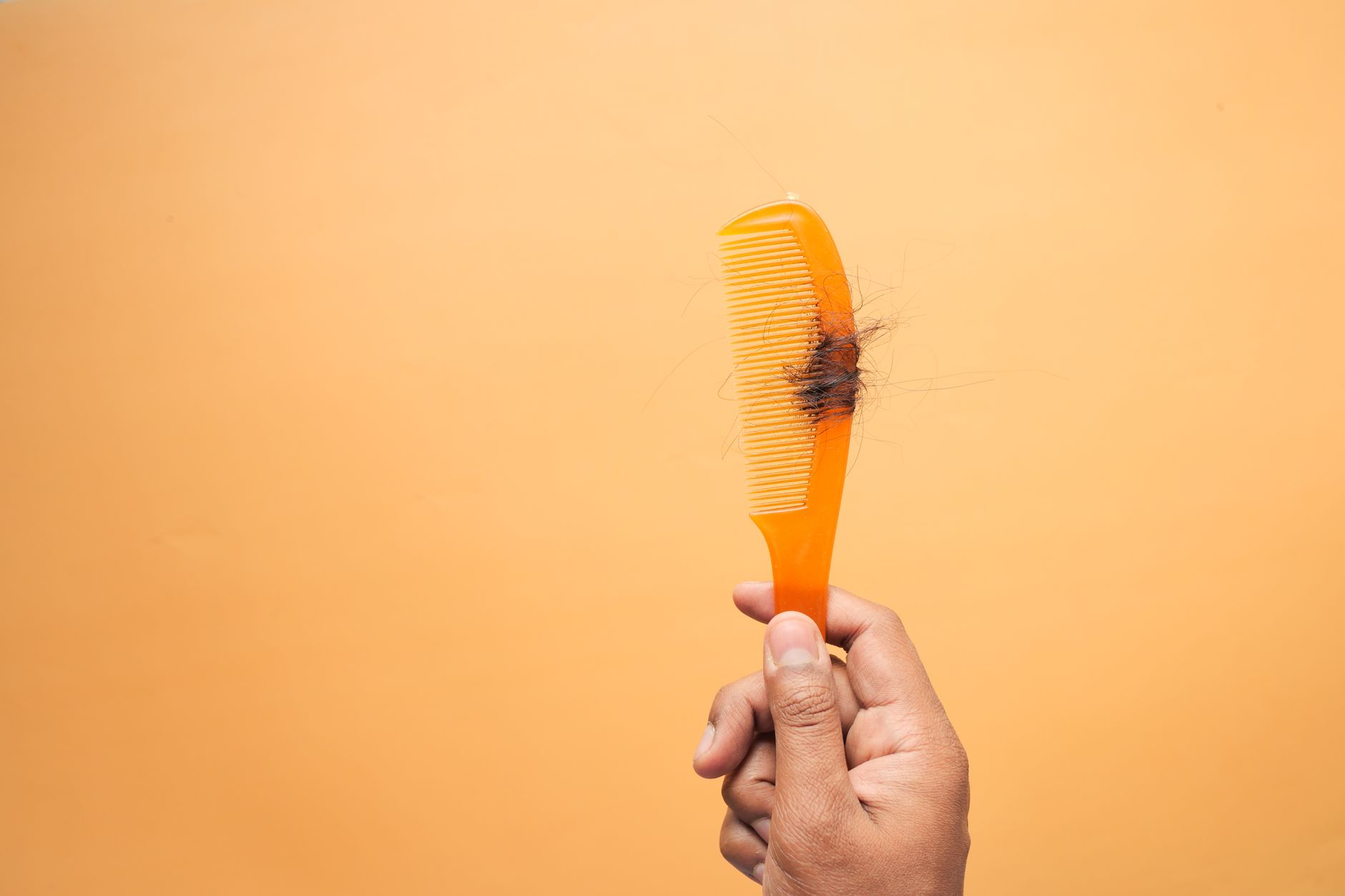
Scalp extraction (if used)
Remaining scalp donor grafts are harvested to form the base of the plan alongside the body grafts.
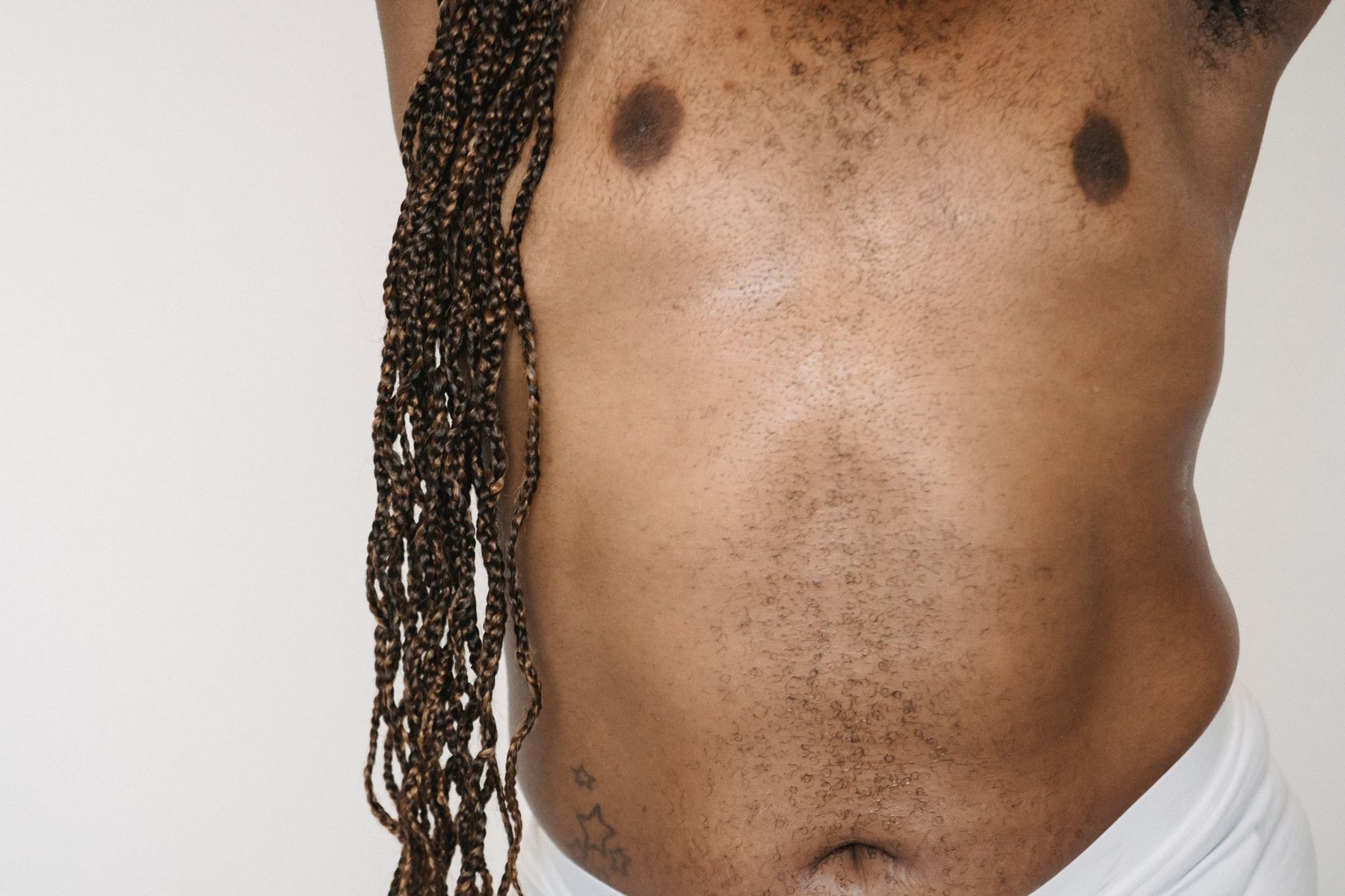
Channel & implantation
Recipient sites are created and grafts placed at planned angles and density, matching hair types to each zone — the longest part of the day.
Same-day aftercare
Washing and care instructions are given for both scalp and donor sites; many travellers stay one to two extra nights for a first wash check.
Shedding phase (weeks 2–8)
Transplanted hairs commonly shed — this is expected and not a failure; the follicles remain in place.
Maturing result (months 6–12+)
New growth appears and thickens gradually. Body-graft growth can be less uniform, so patience and a longer view are needed.
Timings are general guidance. Healing, shedding, growth and body-graft yield vary between individuals and depend on your clinical situation and aftercare.
Who may be suitable for a body hair transplant?
Suitability is individual and BHT is a niche technique. It is usually considered only when the scalp donor is limited and there is usable beard or body hair to supplement it. A clinical evaluation of every donor area is the only way to confirm.
Risks and things to discuss
Body grafts can have lower and less predictable survival than scalp grafts, so final density may be lower than hoped. Honest expectations are essential.
Body and beard hair can differ from scalp hair in caliber and curl, which may look or feel different if not carefully matched and placed.
Beard and body extraction can leave small scars or dot marks. Ask how visible these may be, especially on the beard, chest or back.
Inflammation of follicles or infection is uncommon with good hygiene and aftercare, but possible at donor and recipient sites.
Taking too much from the beard or body can cause lasting thinning or patchiness — conservative planning matters everywhere.

Recovery and travel planning
BHT often means longer sessions and more than one donor area to care for. Plan a short trip with time around the first wash, and expect care instructions for the scalp plus any beard or body donor sites.
Procedure day
- Local anaesthesia for comfort
- Long or multiple sessions common
- Care instructions for all donor sites
- Rest the same evening
Days 1–3
- First wash, often guided by the clinic
- Mild swelling or redness can occur
- Care for beard/body donor areas too
- Sleep with head slightly elevated
Weeks 1–4
- Scabs typically clear in the first weeks
- Resume light activity as advised
- Avoid intense exercise, sun and saunas early
- Transplanted hairs may begin to shed
Months 3–12
- New growth appears, sometimes unevenly
- Follow any review or photo check-ins
- Protect scalp and donor sites from strong sun
- Discuss longer-term hair-loss management
How to choose a body hair transplant clinic in Turkey
BHT is a specialised technique and quality varies widely. These signals help you ask better questions — they are not guarantees, and final judgement should rest on a proper consultation with a qualified hair restoration professional.
Green flags
- A named, qualified surgeon experienced specifically in body and beard donor work
- Honest assessment of all donor areas and realistic yield expectations
- A clear scalp-first plan with body hair used as a supplement
- Clear, itemised written quotes with no pressure tactics
- Willingness to say if BHT is not right for you
Red flags
- Body hair pushed to promise very high or 'unlimited' graft numbers
- No honest discussion of lower yield, texture or donor scarring
- Procedures performed entirely by technicians with no surgeon involvement
- Prices far below everything else with no detail on inclusions
- Guarantees of a specific density or '100% success' from body grafts
Body hair transplant in Turkey FAQ
Can body hair be used for a hair transplant?
Can beard hair be transplanted to the head?
Can pubic hair be used for a hair transplant?
Does a body hair transplant work as well as scalp hair?
Is a body hair transplant permanent?
Does a body hair transplant leave scars?
How long does recovery take after a body hair transplant?
Can your body reject a hair transplant?
Is a body hair transplant a good idea for me?
Why do people choose Turkey for a body hair transplant?
Which body hair is best for a transplant?
Can chest hair be transplanted to the scalp?
How much does a body hair transplant cost in Turkey?
Is a body hair transplant successful?
How many grafts can you get from body hair?
Does a body hair transplant hurt?
How long does it take to see results from a body hair transplant?
Does transplanted body hair keep its original texture and growth?
Where do surgeons take hair for a transplant?
How do I choose a safe body hair transplant clinic in Turkey?
Related pages
 GuideHair Transplant in Turkey: Costs, Techniques and ResultsFUE, DHI and Sapphire FUE hair transplants i…Read the guide
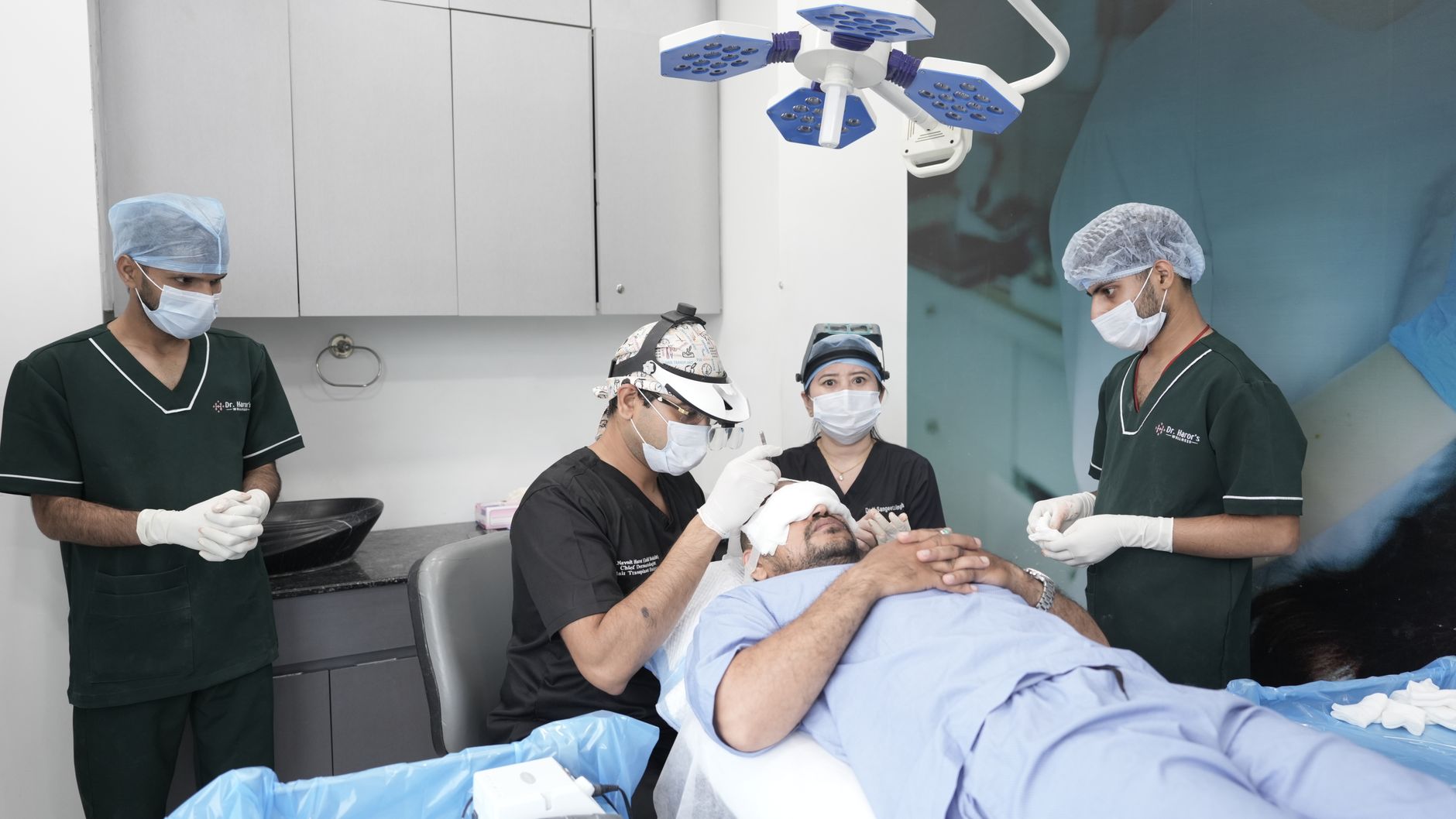 GuideBeard Transplant in TurkeyBeard and moustache restoration with FUE/DHI…Read the guide
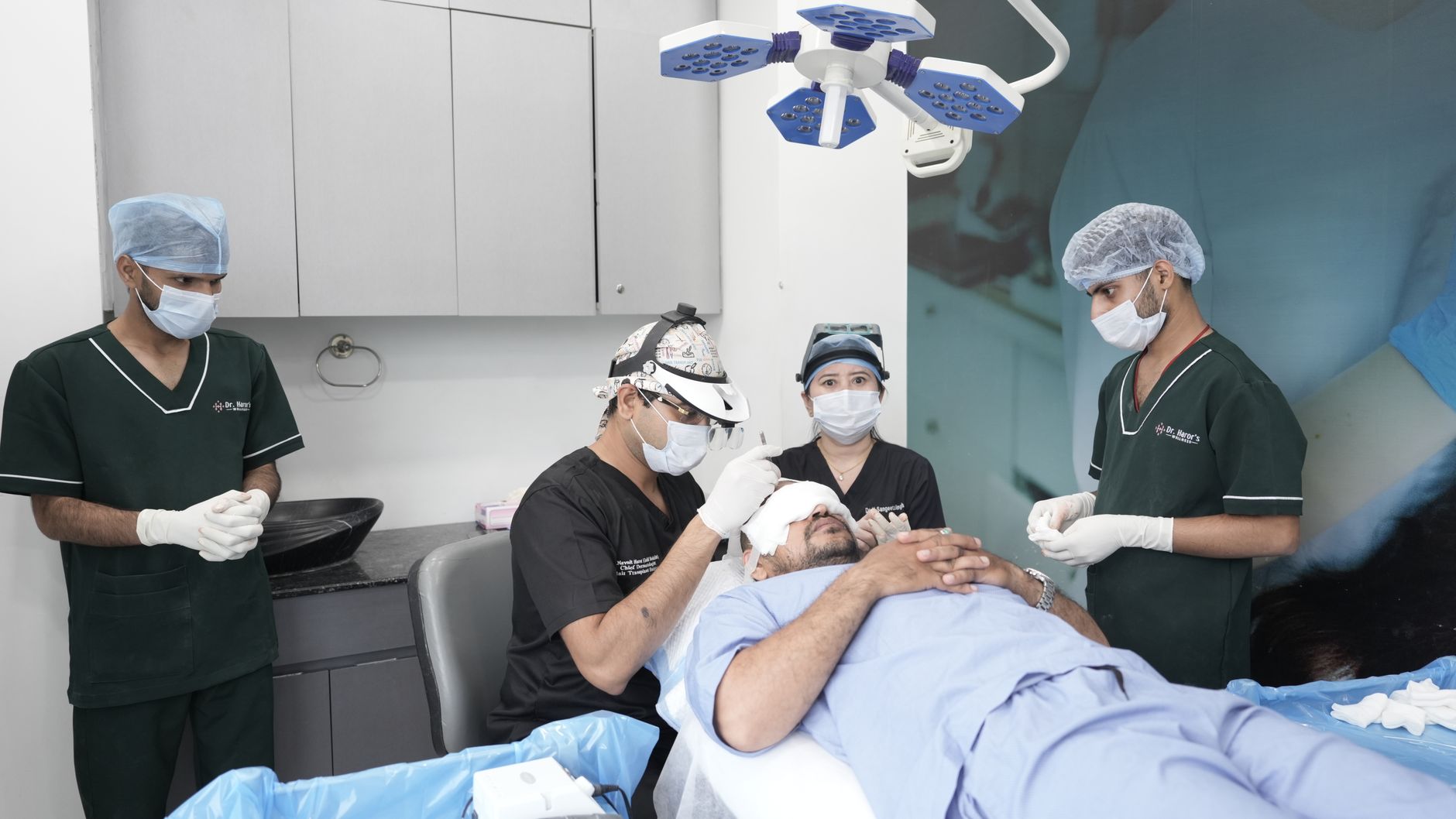 TechniqueFUE Hair Transplant in TurkeyFollicular Unit Extraction (FUE) in Istanbul…How it works
 GuideFemale Hair Transplant in TurkeyHair transplants for women — diffuse thinnin…Read the guide
 GuideAfro Hair Transplant in TurkeyAfro-textured hair transplants require speci…Read the guide
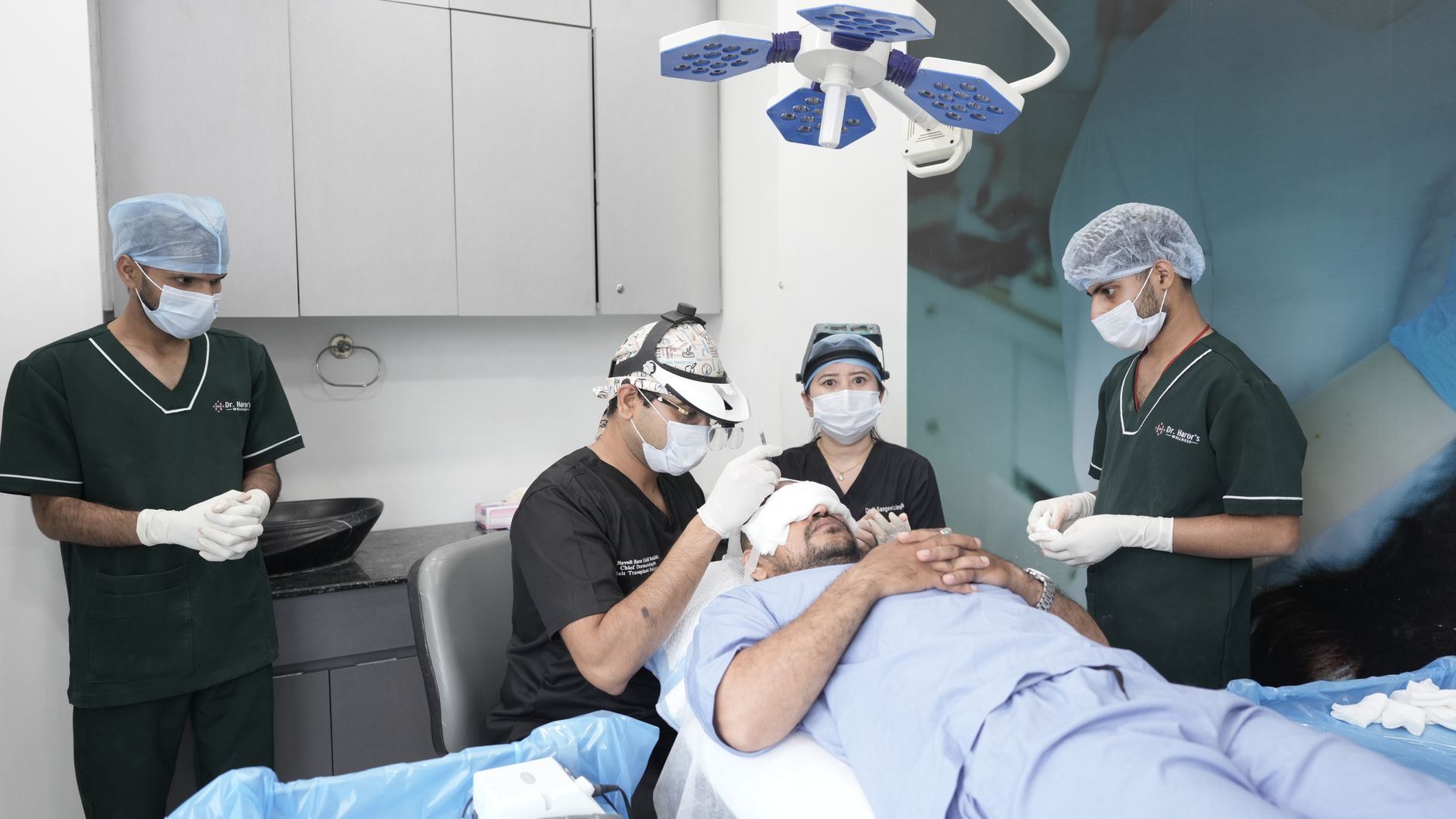 GuideEyebrow Transplant in TurkeyEyebrow restoration for thin, over-plucked o…Read the guide
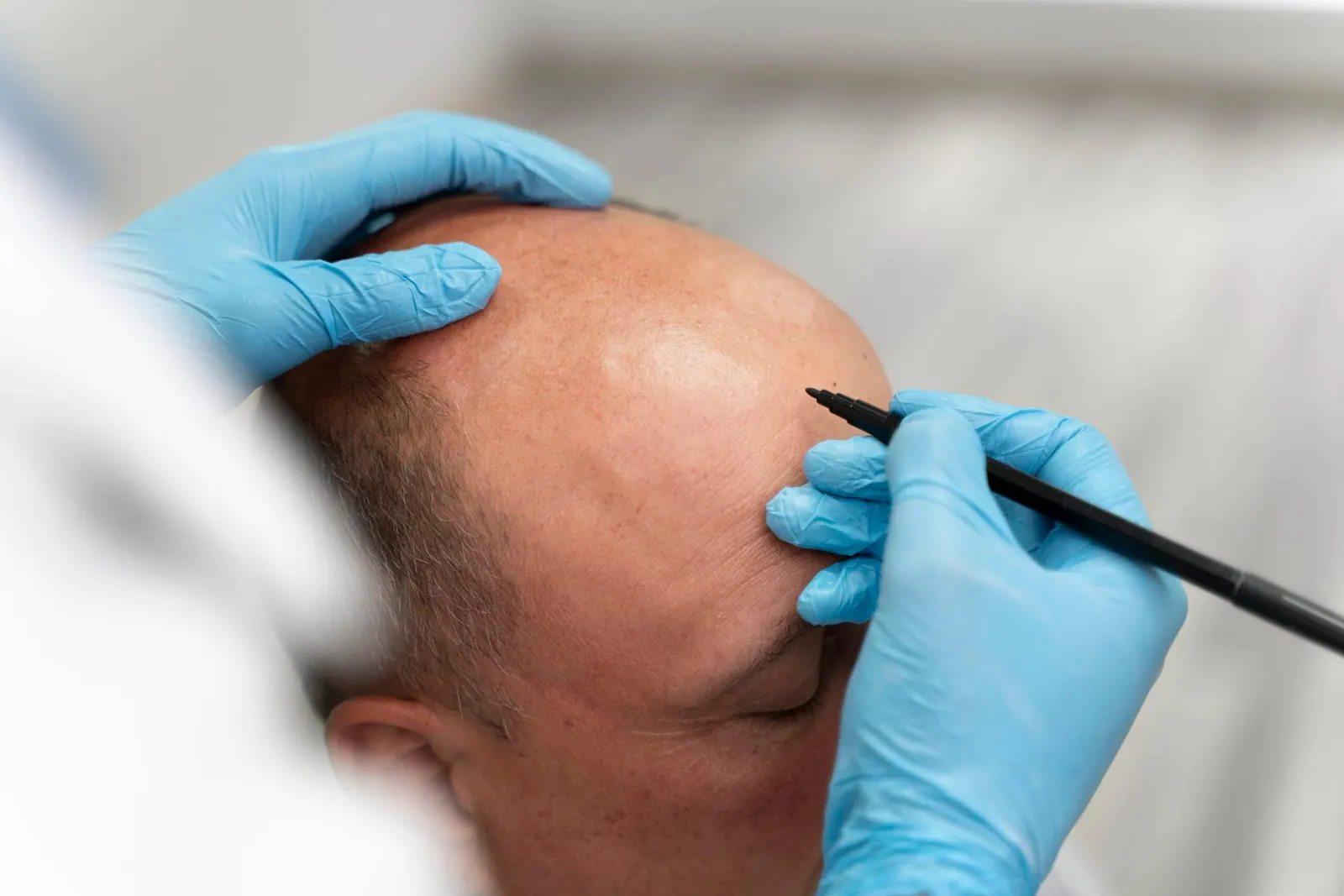 GuideHairline Transplant in TurkeyHairline design and restoration — a natural,…Read the guide
 GuideCrown Hair Transplant in TurkeyCrown (vertex) restoration — how the whorl p…Read the guide
Ready to explore body hair transplant options in Turkey?
Get a free, no-obligation plan that assesses your scalp, beard and body donor areas honestly, with a transparent, itemised quote — so you can compare clinics on experience and realistic yield, not just price.