
Our Technology & Equipment
Instruments don't perform a hair transplant — a surgical team does — but the tools they choose shape how cleanly grafts are extracted, prepared and placed. On this page we explain the equipment typically used in a modern clinic: sapphire versus steel recipient blades, DHI implanter (Choi) pens, extraction micromotors, magnification for graft preparation, preservation solutions and single-use sterile standards. The right combination is matched to your case, and we confirm the approach after a personal assessment; individual results vary.
Sapphire and steel blades for recipient sites
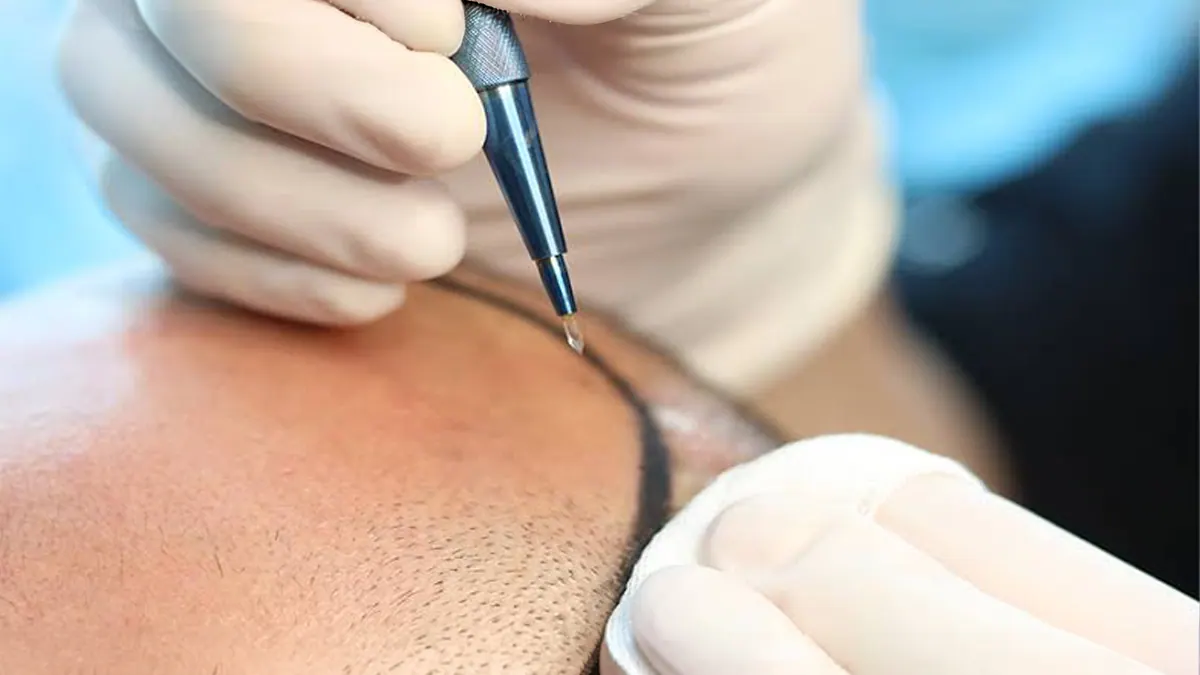
The recipient site is the small channel a surgeon opens before a graft is placed, and its angle, depth and width influence how naturally hair sits and how densely it can be packed. Sapphire blades are crafted from a synthetic gemstone tip and are valued for holding a fine, consistent edge, while traditional steel blades remain a well-established option; both can produce good work in skilled hands. The instrument matters less than the surgeon's plan for direction and spacing, which is why we describe blade choice as a tool rather than a selling point.
Blade or needle size is selected to match graft calibre and the intended density for each zone — a soft hairline is treated differently from a denser mid-scalp. There is no single correct instrument for every patient, and a clinic being honest about this will confirm the approach at assessment rather than promising one method suits all cases.
DHI implanter (Choi) pens for placement
In the DHI method, grafts are loaded into a hollow-needle implanter — commonly called a Choi pen — that creates the incision and sets the graft in a single movement, so the two steps are combined rather than performed separately. This can give the surgeon close control over angle and depth during placement and may reduce the time grafts spend outside the body. Several pens with different tip diameters are usually kept ready so the loading can be matched to graft thickness.
Micromotors and punches for extraction
Follicular units are harvested from the donor area using a punch, either turned by hand or driven by a micromotor — a controlled rotary handpiece — with the punch diameter chosen to free grafts while aiming to limit trauma to surrounding follicles. Smaller punches can mean less disruption but demand precision, so the choice is a judgement made by the operator for your skin and hair type, not a fixed setting.
Extraction is the stage where donor supply is protected for the long term, including the option of any future procedure. Careful punch selection and technique matter here far more than the brand of motor, and outcomes still depend on individual anatomy.
Magnification and graft preservation
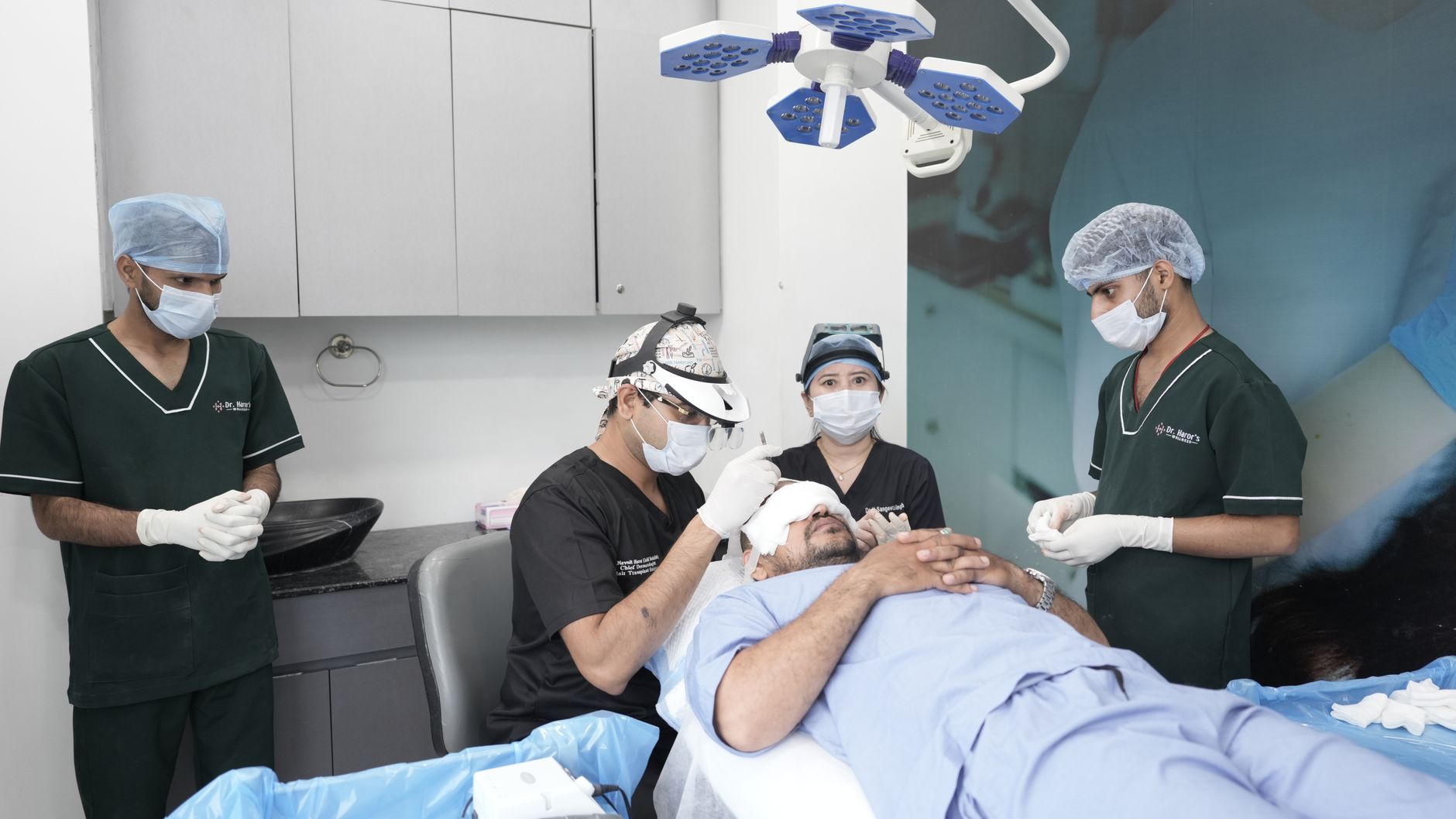
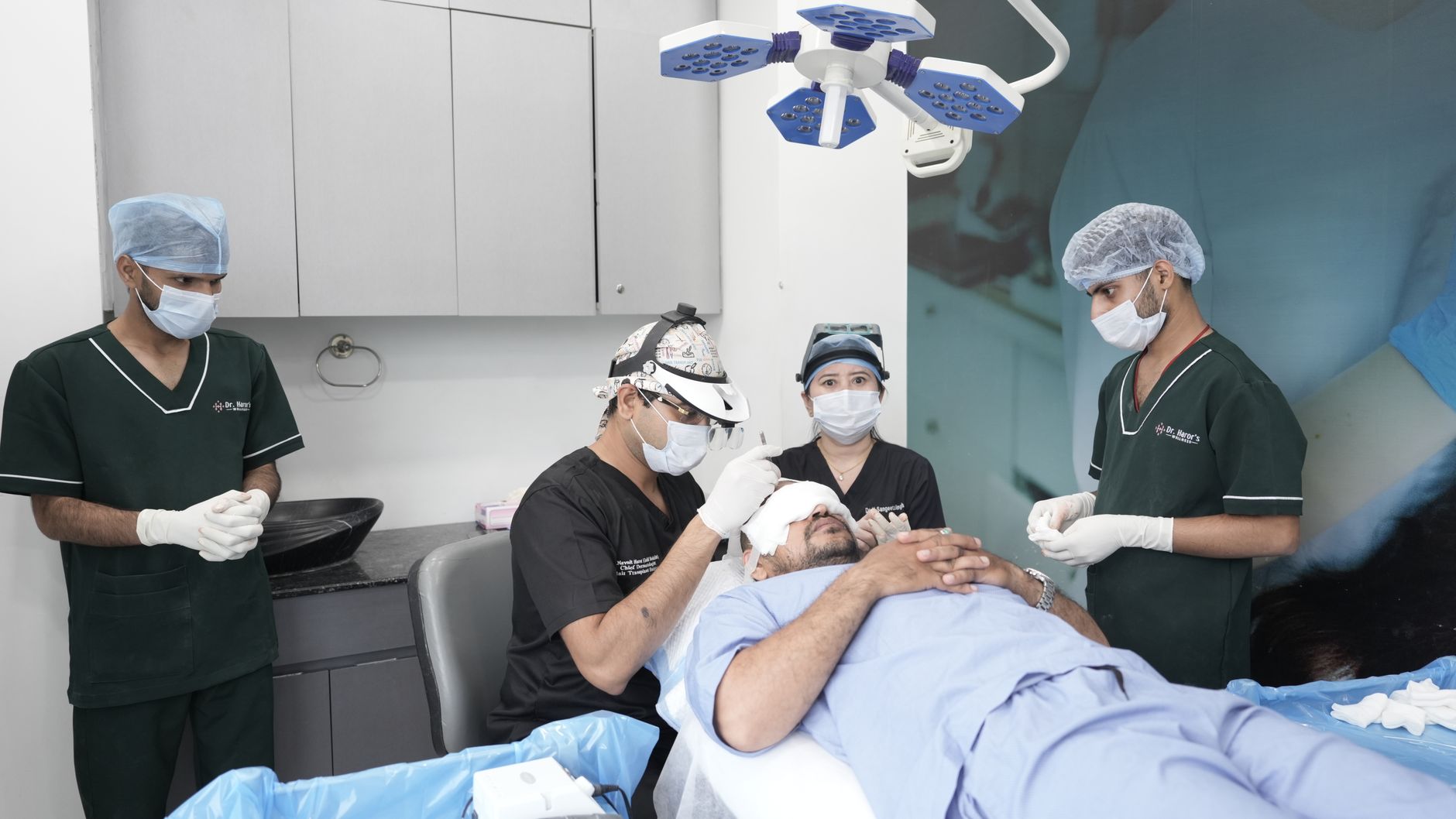
Once removed, grafts are inspected and sorted under magnification — surgical loupes or a microscope — so technicians can separate single and multi-hair units and trim excess tissue without damaging the follicle. Good lighting and magnification support the delicate handling that healthy grafts need before they go back in.
Between extraction and placement, grafts are kept in a cooled holding solution intended to maintain viability while they are out of the body. Minimising out-of-body time and handling is a shared goal across techniques, though no clinic can promise a specific survival figure and results vary from person to person.
Sterilisation and single-use standards
Infection control underpins everything above. Consumables that touch tissue — blades, punch tips, implanter needles, gloves and drapes — are typically single-use and discarded after one patient, while reusable instruments are cleaned and sterilised to recognised medical standards between procedures. If you are researching clinics, it is reasonable to ask directly how instruments are sterilised and which items are single-use, and to expect a clear answer.
Why the surgical team matters more than the equipment list
It is easy to be drawn in by a list of premium-sounding instruments, but tools do not plan a hairline, judge an angle or protect a donor area — a skilled team does. The same sapphire blade, Choi pen or micromotor can produce very different results in different hands, so equipment is best read as an enabler of good technique rather than a guarantee of a good outcome. A clinic that leans heavily on brand names while saying little about who performs the work has its emphasis in the wrong place.
The more useful questions are about people and process: who opens the recipient sites and designs the hairline, who extracts and places grafts, how out-of-body time is minimised, and how the team is supervised. We confirm the approach for your case after a personal assessment, and individual results vary regardless of the instruments chosen.
Where to go next
 TechniqueDHI Hair Transplant in TurkeyDirect Hair Implantation (DHI) with implante…How it works
 TechniqueSapphire FUE Hair Transplant in TurkeySapphire FUE uses sapphire-blade channels fo…How it works
 TechniqueFUE Hair Transplant in TurkeyFollicular Unit Extraction (FUE) in Istanbul…How it works TrustPatient SafetyHow we work to recognised clinical standards…How we work PricingHair Transplant Cost in TurkeyWhat a hair transplant really costs in Turke…See the numbers
Common questions
Is a sapphire blade better than a steel blade?
Does a micromotor make extraction safer?
What should I ask a clinic about hygiene?
Should I choose a clinic based on the technology it advertises?
What is a Choi implanter pen?
How are grafts kept alive between removal and placement?
Does newer or more expensive equipment mean a better result?
Start with a free hair analysis
Share a few photos and our patient team will come back with an indicative plan, the technique that fits and the package that applies — no obligation.