

FUE Hair Transplant in Turkey
FUE, follicular unit extraction, takes hair follicles one at a time from the back and sides of your scalp and moves them to the thinning area. There is no strip removed and no line scar, only tiny dots that hair usually hides. How much it can achieve depends on your donor area. Individual results vary.
How the grafts are taken, what your donor area can give over a lifetime, the forms of FUE, FUE compared with the older strip method, and who FUE suits.
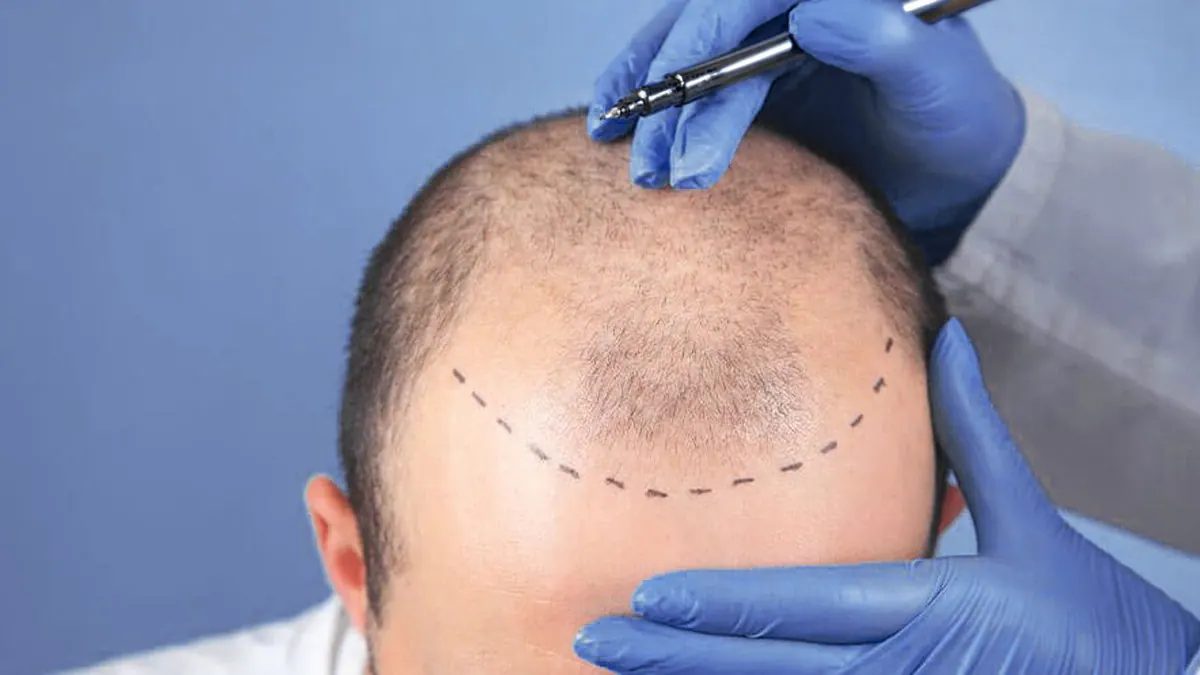
How does FUE take the grafts?
Hair grows in small natural groups of one to four hairs, called follicular units. FUE removes these units one at a time, so each graft keeps the hairs, the follicle and a little surrounding tissue together.
| Step | What happens | Why it matters |
|---|---|---|
| Numbing | The donor and recipient areas are numbed with local anaesthetic. | You stay awake but the scalp is numb while the grafts are taken. |
| Scoring | A small round punch, usually under a millimetre wide, cuts around one follicular unit. | The punch has to follow the angle of the hair under the skin, or the follicle is cut. |
| Lifting | The unit is eased out with fine forceps. | Gentle handling keeps the graft intact. |
| Holding | Grafts wait in a cool holding solution, sorted by the number of hairs. | Time outside the body is kept short; sorting lets single hairs go to the front. |
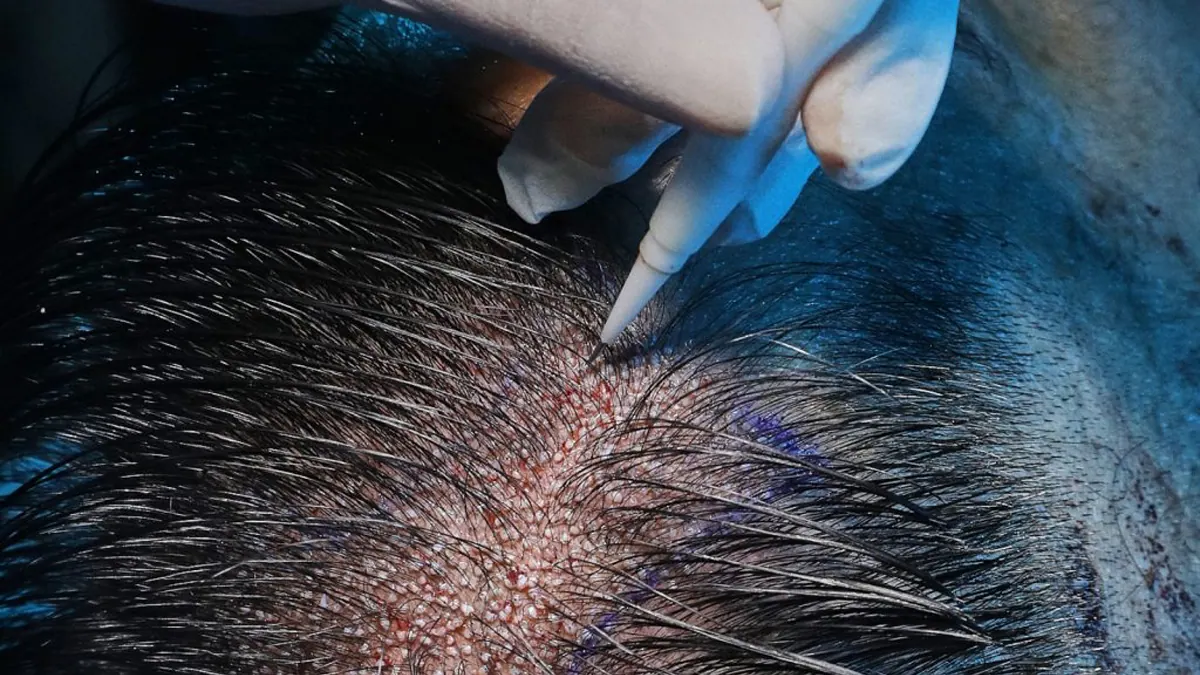
| Placing | Small openings are made in the thinning area and each graft is set at a planned angle. | The angle and direction decide whether the new hair looks grown or placed. |
A full session usually takes 6–8 hours, and you go back to your hotel the same day. The dots left in the donor area close within days and scab over; once the hair around them grows a little, they are usually hard to see.
How much can your donor area give?
The back and sides of the scalp usually keep their hair even when the top thins, which is why grafts are taken from there and why they tend to keep growing after they are moved. But that area holds a fixed number of follicles, and every graft taken is one that will not grow back in its old place.
Good FUE spreads the extraction evenly across the safe zone, leaving enough hair between the dots that the back still looks full at a short haircut. Taking too many grafts, or taking them too close together, thins the donor area for good. A careful plan is set by what the donor area can spare over a lifetime, including a reserve in case the hair loss continues, rather than by the largest number possible in one day.
Ask to see how the donor area will look afterwards, not only the new hairline. An even, full-looking back is part of a good FUE result.
Which forms of FUE are there?
Several names are used for FUE. They all take the grafts the same way, one by one. They differ in how much hair is shaved and in how the grafts are placed.
The donor area, and often the whole scalp, is shaved so every follicle can be seen and reached. This is the usual form and the quickest way to cover a large area.
The hair is left long over the treated area, and sometimes over the donor area too. It is slower and fits fewer grafts into a session; see without shaving.
The same extraction; only the small openings for the grafts are made with sapphire blades instead of steel. What that changes is explained on the Sapphire FUE page.
The same extraction; the grafts are then placed with a pen-shaped implanter instead of into openings made first. See DHI hair transplant, or how FUE and DHI differ point by point.
The form is chosen for your hair and the area to cover at the assessment. It does not change what you pay with Natural Hair Turkey.
FUE or FUT — what is the difference?
| FUE | FUT (strip) | |
|---|---|---|
| How grafts are taken | One by one with a small punch | A strip of scalp is removed and divided |
| Donor scar | Small scattered dots | A fine line across the back |
| Stitches | None in the donor area | Yes, along the strip |
| Short haircut afterwards | Usually possible | May show the line |
FUT, the older strip method, removes a narrow band of scalp from the back of the head, closes the wound with stitches and divides the strip into grafts. It leaves a fine line scar across the donor area. FUE takes the units one by one and leaves scattered dots instead, which is why it suits people who want to wear their hair short.
FUT can still be reasonable in some cases elsewhere, for example when very large numbers are needed and a line scar is acceptable, but it is now seldom chosen in Turkey. If a clinic proposes FUT, ask why it suits your case better than FUE.
What separates careful FUE from rushed FUE?
FUE is a standard method; the way it is carried out is not. These points decide how many grafts survive and how natural the result looks.
- The punch follows the angle of each hair, so few follicles are cut on the way out.
- Grafts spend as little time outside the body as possible and are kept in a holding solution.
- Extraction is spread evenly instead of being concentrated in one patch.
- Single-hair grafts are kept for the front, larger units for the area behind.
- Every graft is placed at the angle and in the direction the hair would naturally grow.
- The number of grafts is planned against your donor area, not pushed to a maximum.
Who carries out each of these steps differs between clinics, and it is a fair question to ask before you book. The clinic safety checklist lists the other questions worth asking.
Who is FUE suitable for?
FUE suits most people for whom a hair transplant makes sense at all: hair loss that follows a pattern and has slowed down, a donor area with enough hair to spare, and expectations that match what moving your own hair can do.
It is worth waiting, or looking at other options first, when hair loss is still changing quickly, when it is spread thinly over the whole scalp, or when the donor area itself is thin. In those cases the cause of the hair loss, and medical treatment, usually come first. Very curly hair can also be transplanted with FUE, but it needs a slower, adapted technique; see Afro hair transplant.
What happens after FUE?
The donor dots and the small crusts in the treated area usually clear within about two weeks. The transplanted hairs tend to shed after a few weeks, new growth starts from about month 4, and much of the result shows by 9–12 months; the hair transplant recovery timeline covers each stage. Consented FUE cases photographed at different months are in our FUE before and after gallery.
What does FUE cost with Natural Hair Turkey?
FUE costs one of our three package prices, between €1,600 and €2,100 (approx. $1,850–$2,400), for up to 5,000 grafts. The price is the same for shaven and unshaven FUE, for Sapphire FUE and for DHI. The packages differ only in hotel nights and fibroblast therapy; our guide to hair transplant cost in Turkey explains what each covers.
Payment is taken in euros; dollar amounts are approximate.
FUE hair transplant: your questions
What does FUE stand for?
Do I have to shave my head for FUE?
Is FUE painful?
Can FUE be done on very curly or Afro hair?
Does FUE leave scars?
Does the donor area grow back after FUE?
Do manual or motorised punches make a difference?
Is FUE better than FUT?
Sources & further reading
- International Society of Hair Restoration Surgery (ISHRS)
- American Academy of Dermatology
- British Association of Dermatologists
- NHS (United Kingdom)
- PubMed (peer-reviewed research database)
This content is for general information only and does not replace a personal medical consultation. Any procedure carries risks that are discussed during your assessment; individual results vary.
Related pages
 GuideHair transplant in TurkeyFUE, DHI and Sapphire FUE hair transplants i…Read the guide CompareFUE vs DHIA side-by-side comparison of FUE and DHI hai…Compare techniques
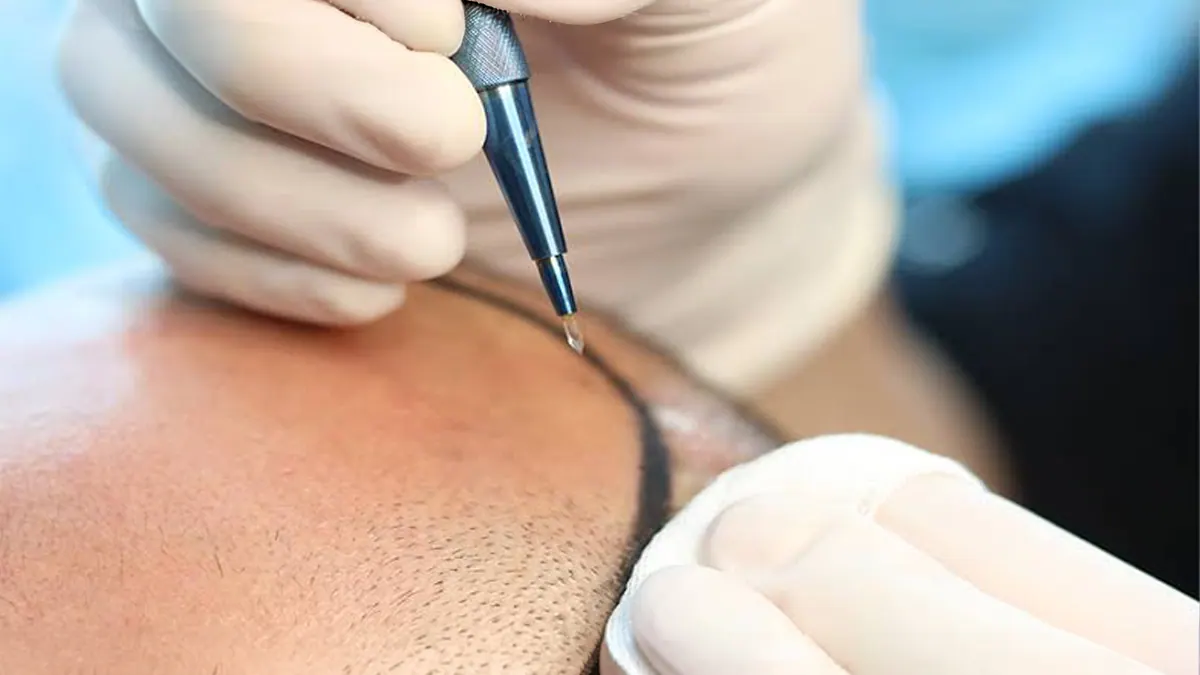 TechniqueSapphire FUESapphire FUE opens the graft channels with s…How it works
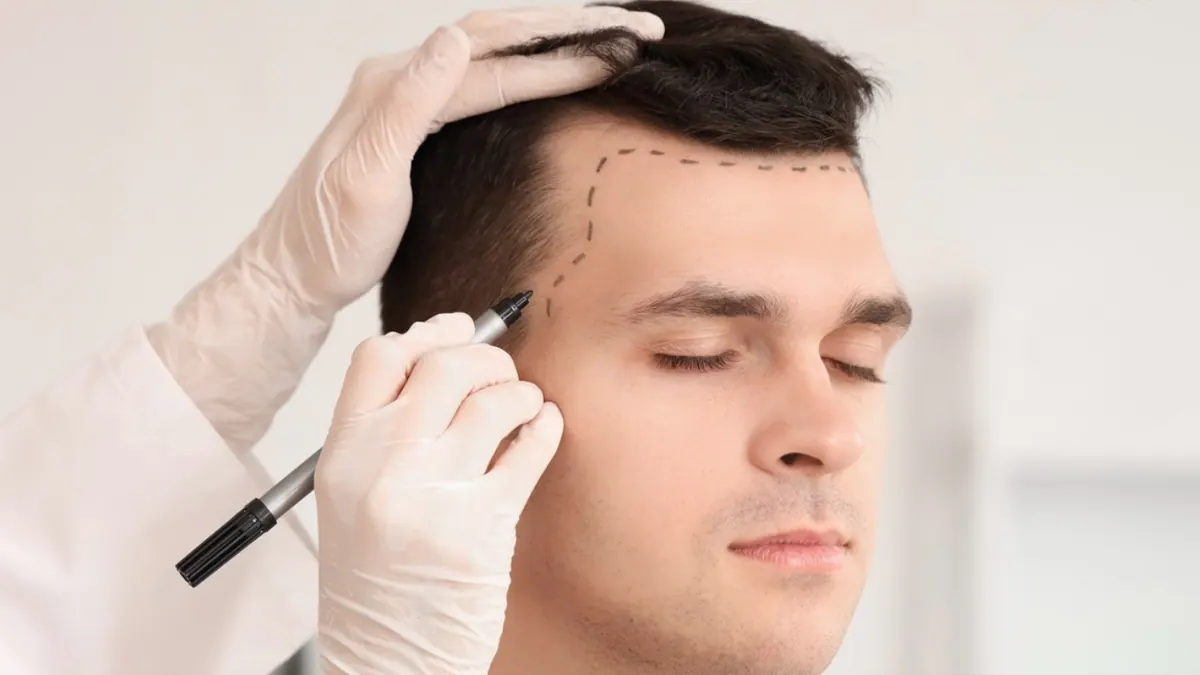 GuideNo-shave hair transplantA no-shave hair transplant leaves surroundin…Read the guide
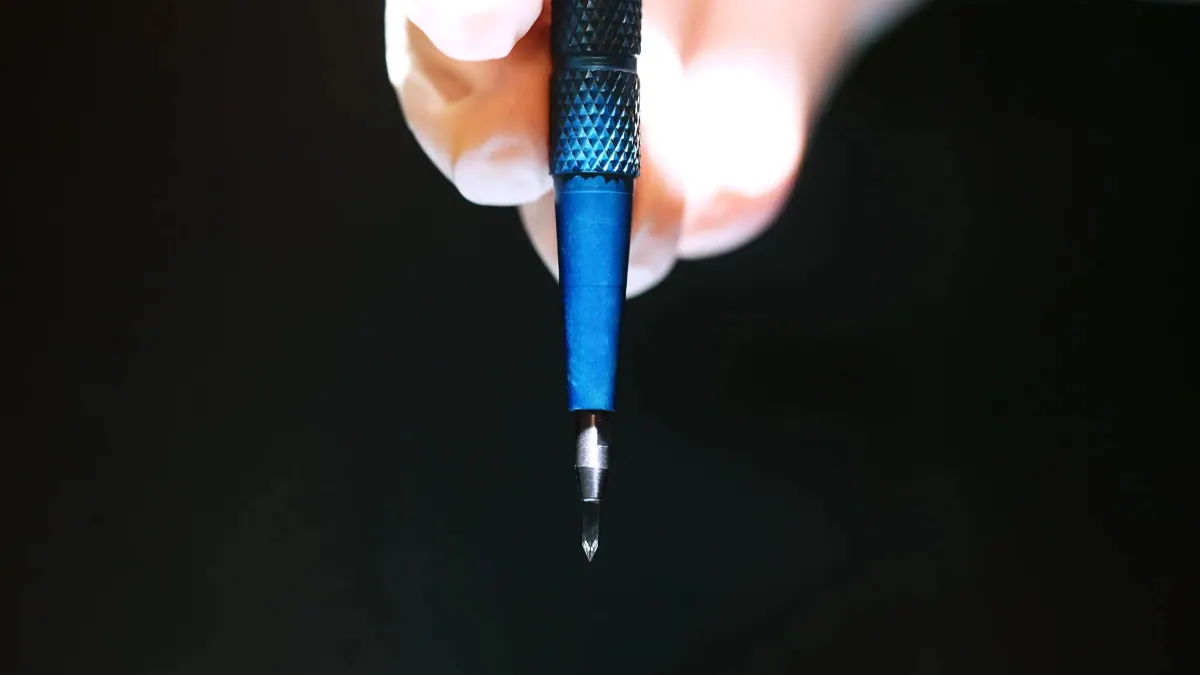 CompareHair Transplant Techniques in TurkeyCompare FUE, DHI, Sapphire FUE and unshaven…Compare techniques
 TechniqueDHI Hair Transplant in TurkeyDHI places each graft with an implanter pen…How it works PricingHair Transplant Cost in TurkeyWhat a hair transplant really costs in Turke…See the numbers
 Patient journeyFree Hair AnalysisShare a few photos and our patient team will…What to expect
Want to know what FUE could do for you?
Send a few photos of your hairline, crown and donor area for a free hair analysis. We reply with an estimated graft range, the form of FUE that fits and the package that applies — with no obligation to book.