
Sapphire FUE Hair Transplant in Turkey
Understand what Sapphire FUE actually is — standard FUE with sapphire rather than steel blades for the recipient incisions — what that change may and may not improve, how it compares with classic FUE and DHI, and how it is priced.
General guidance — not medical advice. Sapphire FUE's claimed benefits are plausible but not strongly proven, and the surgeon's planning and skill matter more than the blade material. This page separates the technique from the marketing.
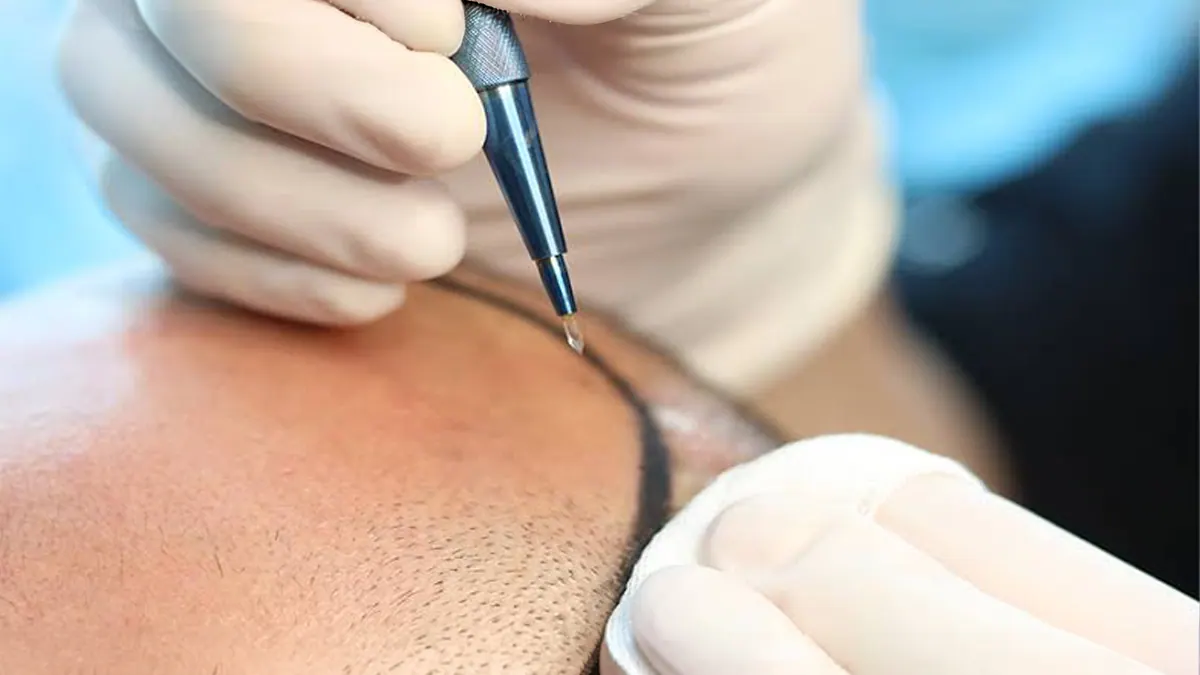 Sapphire vs steelWhat the blade changes
Sapphire FUE in Turkey at a glance
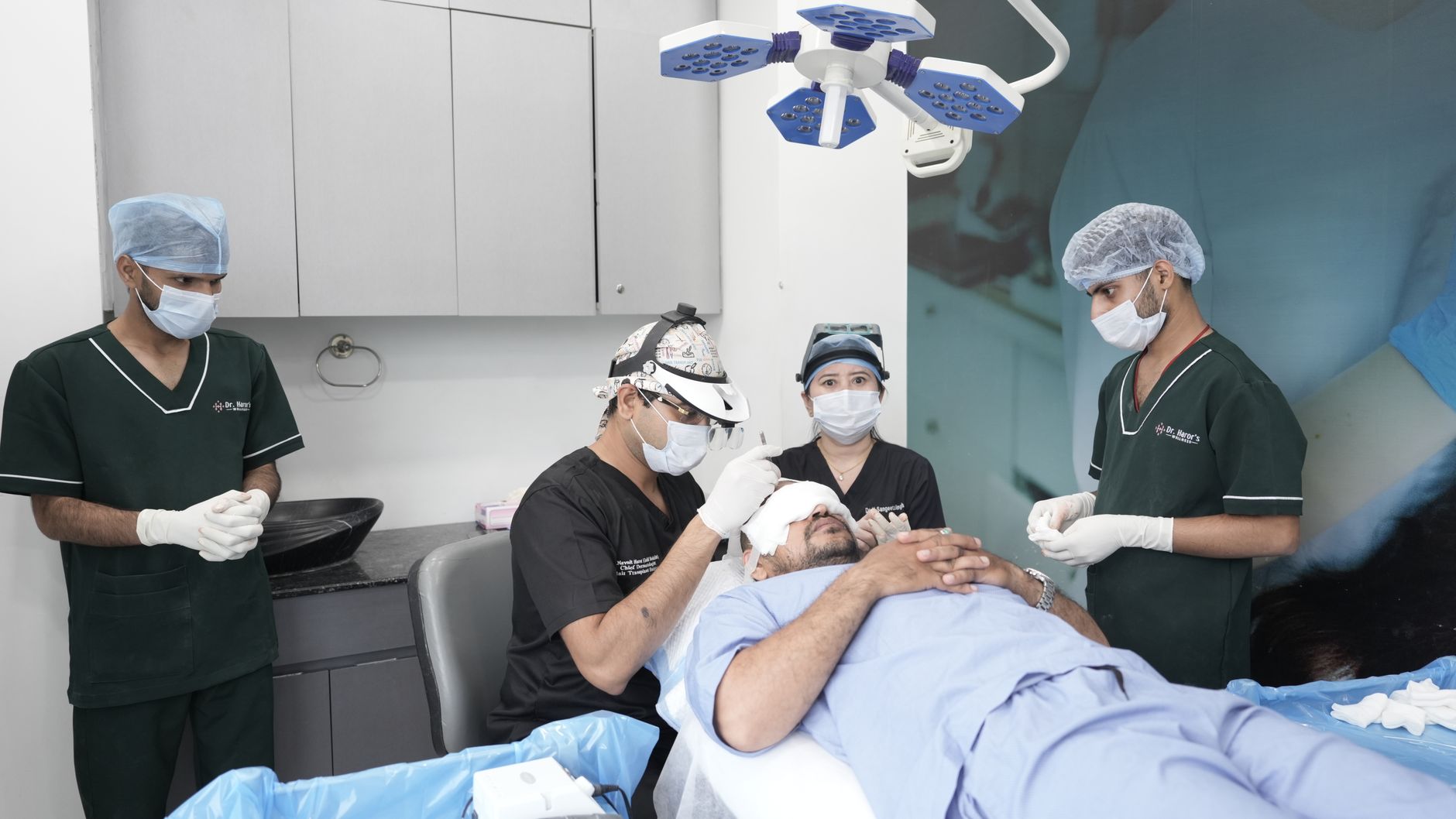
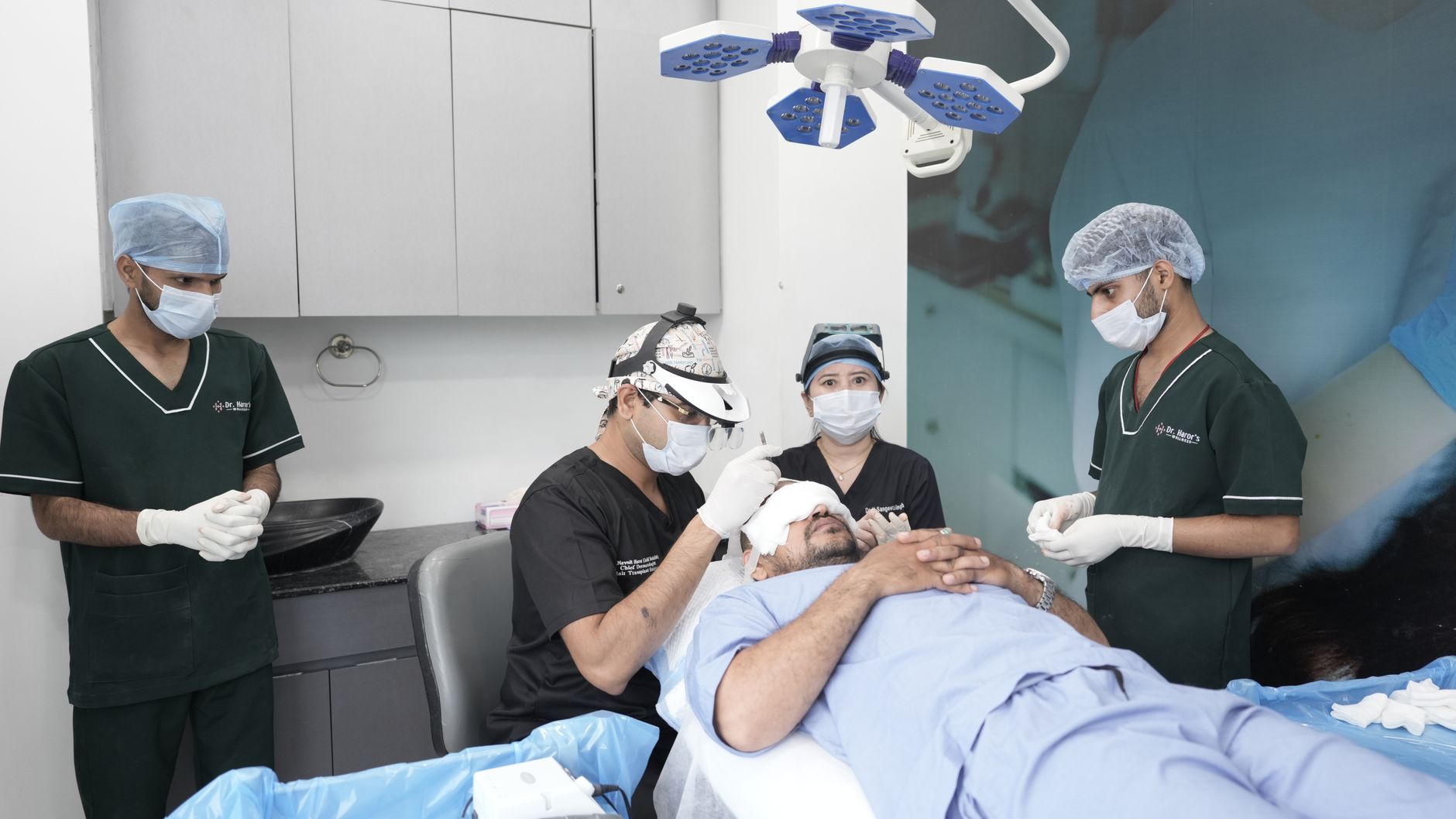
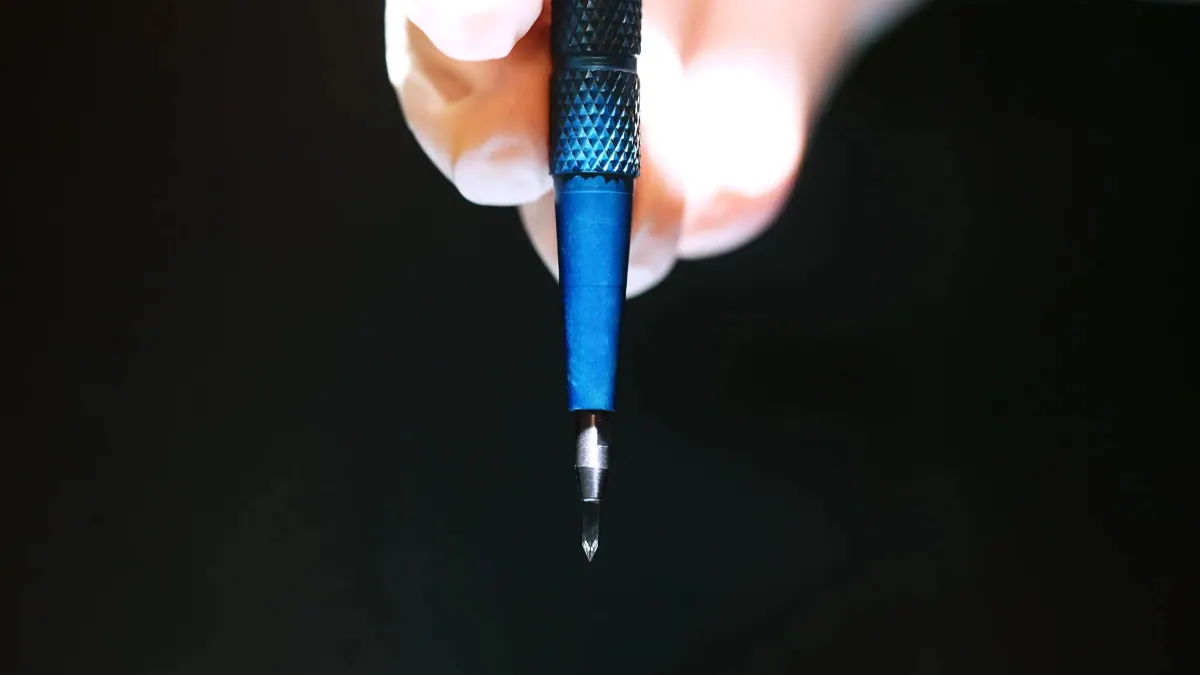
Sapphire FUE is follicular unit extraction (FUE) in which the recipient-site incisions — the tiny channels the grafts are placed into — are opened with blades made from synthetic sapphire instead of steel. Extraction, graft handling and placement are the same as standard FUE. Proponents say the sharper, smoother sapphire tip allows finer channels, potentially denser packing and smoother healing; these are claimed advantages with limited comparative evidence, and the surgeon's skill remains the bigger factor.
Only the channel-opening step. Sapphire blades are marketed as sharper and smoother than steel, allowing finer incisions. Extraction, graft survival principles and hairline design are unchanged from standard FUE.
Not the blades: at Natural Hair Turkey Sapphire FUE costs the same package price as classic FUE, for up to 5,000 grafts. Some clinics charge a premium for the sapphire label; others include it as standard — compare what is actually covered.
No method is universally best. Sapphire FUE, classic FUE and DHI differ mainly in how channels are made and grafts are placed. Results depend far more on the team than on the tool.
The same as any FUE: transplanted hairs usually shed within weeks, regrow from around month 4, and much of the result is visible by 9–12 months. Sapphire blades do not speed up hair growth.
What is Sapphire FUE — and what does the blade actually change?
A Sapphire FUE hair transplant follows the standard FUE sequence: follicular units are extracted one by one from the donor area, kept in a holding solution, and implanted into tiny incisions in the thinning area. The 'sapphire' part refers only to the middle step — the recipient channels are opened with blades cut from synthetic sapphire crystal rather than steel. Everything else, from donor management to hairline design, is ordinary FUE.
The claimed advantages come from the blade's properties. Sapphire tips are very hard and can be manufactured extremely sharp and smooth, so proponents suggest they create finer, more precise V-shaped channels with less tissue trauma — which could allow denser graft packing, better control of angle and direction, less crusting and smoother early healing. These are plausible mechanisms and many experienced teams in Türkiye prefer sapphire blades, but robust comparative studies against steel are limited, so they should be treated as potential benefits rather than proven or guaranteed ones.
What sapphire does not change is more important. It does not increase how much donor hair you have, make grafts survive that would otherwise fail, stop future hair loss or compensate for a poorly designed hairline. A skilled surgeon with steel blades will beat an inexperienced team with sapphire ones every time. Final suitability and the right technique for your case depend on an assessment by a qualified hair restoration professional.
Sapphire FUE in Turkey cost
Sapphire FUE with Natural Hair Turkey costs the same three package prices as classic FUE, between €1,600 and €2,100 (approx. $1,850–$2,400), for up to 5,000 grafts. In Türkiye, sapphire blades are so widely used that many clinics include them as standard, while others market Sapphire FUE as a premium tier — so a higher price for the same FUE procedure deserves scrutiny. Compare like for like, not label for label.
Payment is taken in euros; dollar amounts are approximate.
If Sapphire FUE is quoted at a premium over standard FUE at the same clinic, ask precisely what else differs — surgeon involvement, graft number, aftercare — beyond the blade material. A blade swap alone is a weak justification for a large price gap.
What drives the price
- Number of graftsMore grafts mean more extraction, more channels and more chair time; the package price covers up to 5,000 grafts either way.Ask: How many grafts does my plan need, and how was that estimated?
- Sapphire premium (if any)Some clinics price Sapphire FUE above standard FUE; others include sapphire blades by default.Ask: What exactly does the sapphire tier add beyond the blade material?
- Who performs the procedureWhether a qualified surgeon performs or closely supervises the key steps affects both safety and price.Ask: Who personally opens the channels and places the grafts?
- Donor area assessmentDonor density and quality limit how much can be moved safely — dense packing needs donor supply to match.Ask: Is my donor area strong enough for the density being promised?
- Hairline designA natural hairline is an aesthetic skill; finer blades help execution but cannot fix a poor design.Ask: Who designs the hairline, and can I see the plan before we start?
- Anaesthesia & comfort optionsLocal anaesthesia is standard; needle-free or sedation options can change the experience and the bill.Ask: What anaesthesia is used, and is anything billed separately?
- Package inclusionsHotel, transfers, medication, PRP and aftercare are sometimes bundled, sometimes not.Ask: Exactly what is included in this package, in writing?
- Follow-up & revisionsAftercare and any touch-up policy protect your long-term result, especially from abroad.Ask: What follow-up and revision policy applies, and for how long?
Questions to ask about any quote
- Clinic and surgeon names
- Technique confirmed (Sapphire FUE)
- Estimated graft number
- Who performs each step
- What the sapphire tier adds (if priced higher)
- Anaesthesia and medication
- Aftercare kit and washing plan
- Written follow-up & revision policy
Sapphire FUE and its variants in Turkey
Clinics in Türkiye market several versions of Sapphire FUE. Most are the same core procedure with a different emphasis or added step. Select an option to see what it really means, who it may suit and the key question to ask — and remember that branding is not a treatment plan.
Sapphire FUE (standard)
Moderate complexityFUE in which recipient channels are opened with sapphire blades instead of steel. Claimed benefits are finer incisions, denser packing and smoother healing; the extraction and placement steps are ordinary FUE, and evidence for superiority over steel is limited.
Sapphire micro FUE
Moderate complexityMarketing shorthand for Sapphire FUE using very small punches and blades. 'Micro' emphasises fine tools rather than a distinct method — punch size is chosen to match your follicles, and smaller is not automatically better for graft survival.
Ice / frozen Sapphire FUE
Moderate complexitySapphire FUE combined with chilled graft-storage solutions marketed as 'ice' or 'frozen'. Keeping grafts cool and briefly out of the body is standard good practice in any FUE — the branding describes graft care, not a new surgical technique.
Sapphire FUE + DHI combination
Higher complexitySome clinics open sapphire channels across larger zones and use DHI implanter pens for the hairline or unshaven areas in the same session. It can make sense for mixed goals, but adds time — the rationale should be case-specific, not a way to sell two labels at once.
Learn moreClassic FUE (steel blades)
Moderate complexityThe baseline: identical FUE with steel blades or needles opening the channels. In experienced hands it produces excellent results, and many respected surgeons worldwide still use steel by preference. A fair comparison point for any sapphire premium.
Learn more| Technique variants | Best suited to | Procedure time | Sessions |
|---|---|---|---|
| Sapphire FUE (standard) | Most FUE cases | One day, several hours | Usually one |
| Sapphire micro FUE | Fine-hair detail work | One day, several hours | Usually one |
| Ice / frozen Sapphire FUE | Same as Sapphire FUE | One day, several hours | Usually one |
| Sapphire FUE + DHI combination | Mixed-zone plans | One long day, sometimes longer | Usually one |
| Classic FUE (steel blades) | The FUE benchmark | One day, several hours | Usually one |
Sapphire FUE vs classic FUE vs DHI
These are the three approaches most patients weigh up in Türkiye, and they overlap heavily — all are forms of follicular unit extraction. The differences sit in one step: how the recipient sites are made and how grafts go into them. None is universally best; the right choice depends on your hair, the areas being treated and the team's strengths.
| Sapphire FUE | Classic FUE | DHI | |
|---|---|---|---|
| How recipient sites are made | Sapphire-blade incisions | Steel-blade or needle incisions | No pre-made channels — implanter pen |
| Claimed strength | Finer channels, denser packing (claimed) | Proven workhorse, widely mastered | Direct placement, hairline control |
| Evidence for superiority | Limited comparative data | The long-standing benchmark | Limited comparative data |
| Decided by | Surgeon preference & case | Surgeon preference & case | Area, density goal & shaving preference |
Clarify before comparing quotes
- Is the quote per graft or a fixed package?
- What does the sapphire label add to the price, if anything?
- Who opens the channels and places the grafts?
- How many grafts are realistically planned for my donor area?
- What density is being promised, and is it achievable?
- What is the washing and aftercare plan?
The blade is the smallest variable Between sapphire, steel and implanter pens, the tool explains far less of the final result than hairline design, donor management and graft handling. Choose the surgeon and plan first — the instrument follows.
Sapphire FUE treatment timeline
A typical journey from first consultation to a settled result. The rhythm is identical to any FUE — sapphire changes the incision tool, not the biology of regrowth. Exact timing is individual and confirmed by your clinic.
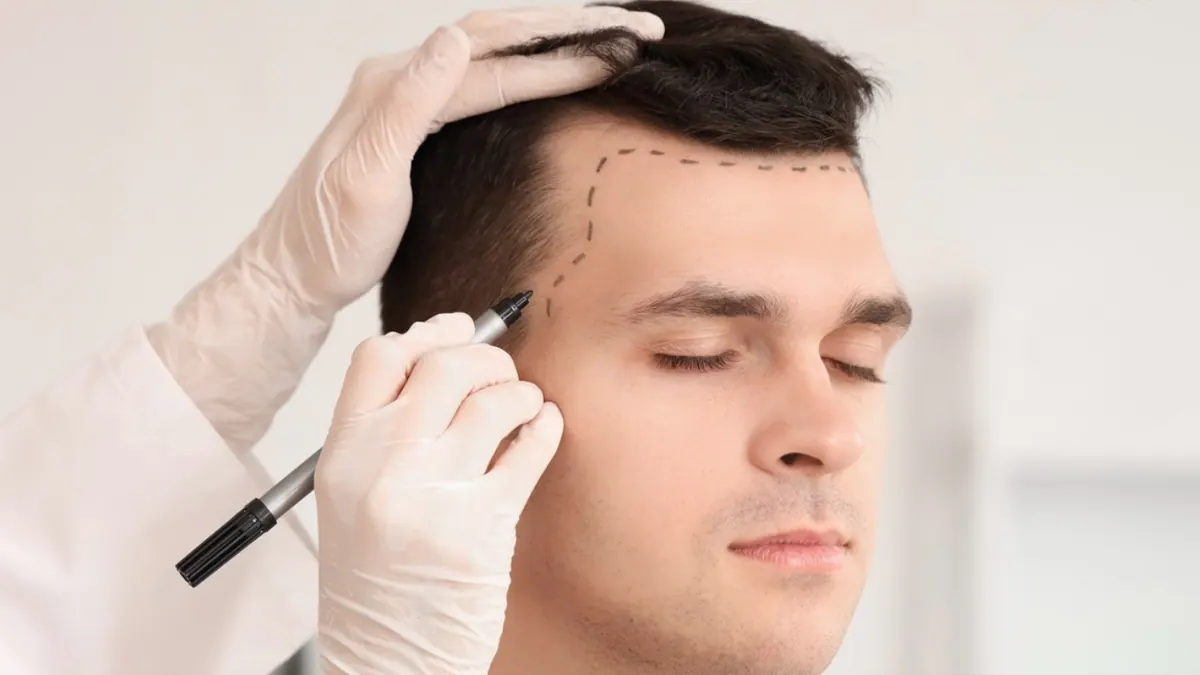
Consultation & hairline design
A qualified professional assesses your loss pattern, donor area and goals; the hairline, graft number and technique — including whether sapphire adds anything for you — are planned and agreed.
Donor preparation
The donor area is trimmed as needed and local anaesthesia is applied. Some clinics offer needle-free anaesthesia options for comfort.
Graft extraction
Follicular units are harvested one by one with a micro punch and kept in a protective, often chilled, holding solution until placement.
Sapphire channel opening
Recipient sites are opened with sapphire blades at planned angles, directions and densities — the step that gives the technique its name, and where design becomes reality.
Graft placement
Grafts are placed into the channels one by one, matched to channel size for a snug fit — the longest part of the day.
Same-day aftercare & first wash
Washing and care instructions are given; many travellers stay one to two extra nights for a clinic-guided first wash before flying home.
Shedding phase (weeks 2–8)
Transplanted hairs commonly shed — expected, not a failure. Crusting typically clears over the first weeks; follicles remain in place.
Regrowth & maturing result (months 3–12+)
New hairs emerge from around month 4 and thicken gradually. Much of the result is visible by 9–12 months, refining further afterwards.
Timings are general guidance. Healing, shedding and regrowth vary between individuals and depend on your clinical situation and aftercare — they follow the same course whether channels were opened with sapphire or steel.
Sapphire FUE before and after: setting realistic expectations
Before-and-after photos dominate Sapphire FUE marketing in Türkiye. Use them to judge naturalness and honesty — not to expect an identical result, and not as proof that the blade made the difference.
Tap a case to compare; individual results vary.
Ask at how many months each 'after' photo was taken. Meaningful results take roughly 9–12 months; early or wet-hair photos can flatter any technique.
You cannot tell from a photo whether channels were sapphire or steel. What you can judge is hairline design, density distribution and how natural the growth direction looks.
Natural hairlines are soft and irregular. Be cautious of straight, dense 'wall' hairlines — dense packing, one of sapphire's selling points, can be overdone.
Good results preserve a natural-looking donor zone. Ask for photos of the back of the head at the same follow-up stage, not just the transplanted front.
Hear it from patients
Short vertical stories in patients’ own words. Individual results vary.
'/%3E%3C/svg%3E)
Who may be suitable for Sapphire FUE?
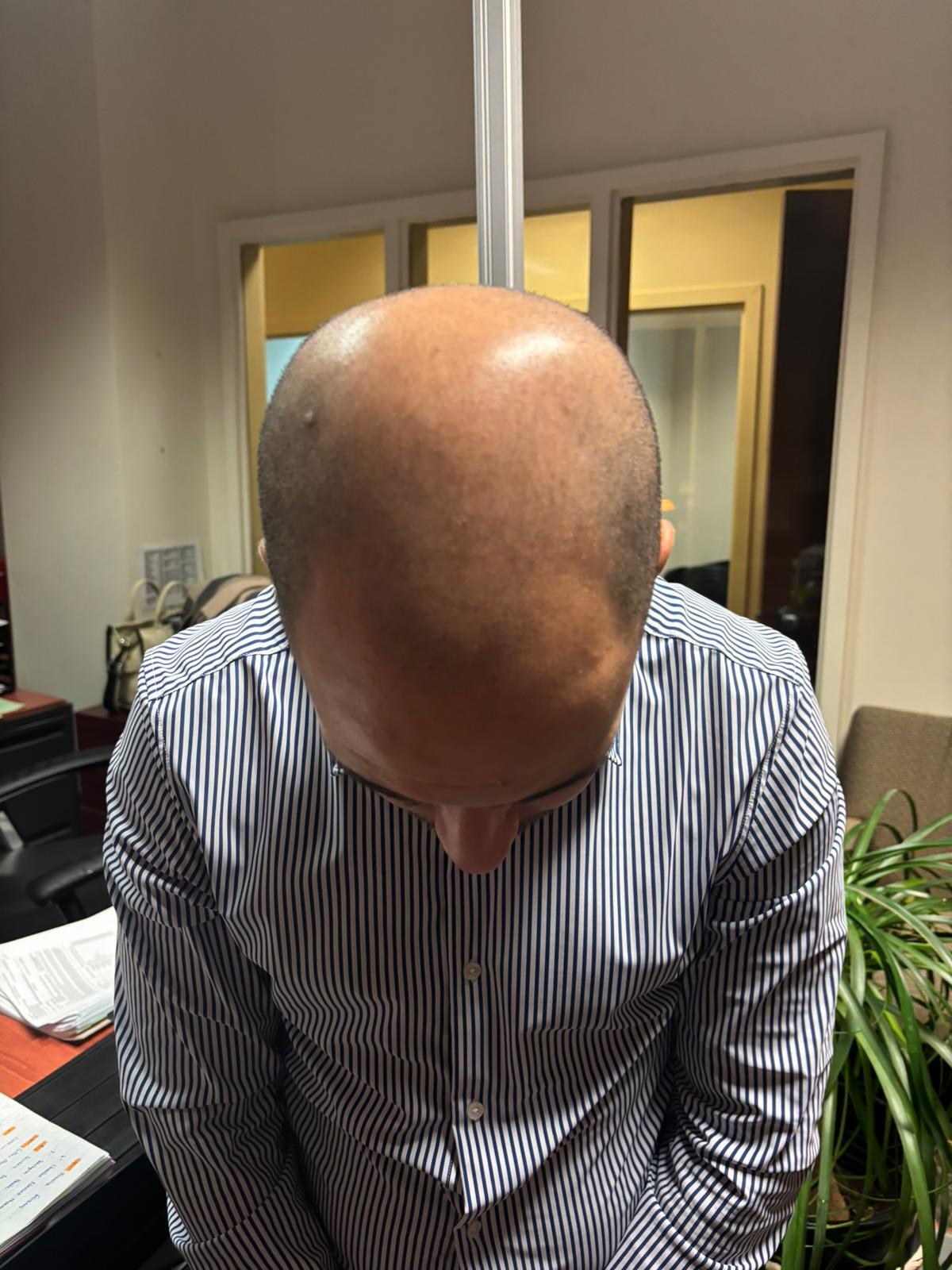
Suitability for Sapphire FUE is essentially suitability for FUE: reasonably stable, patterned hair loss and a healthy donor area. The blade does not widen who can be treated. Only a clinical evaluation by a qualified hair restoration professional can confirm what is right for you.
Risks and things to discuss
Sapphire FUE carries the standard FUE risks — infection, folliculitis, temporary shock loss of existing hair, swelling and numbness. The blade material does not remove them; discuss each with your clinic.
Fine blades make fine incisions, but a poorly designed hairline or wrong graft angles still look artificial. Design skill is the safeguard, not the tool.
Denser packing is a sapphire selling point, but placing grafts too densely can compromise blood supply and graft survival. Ask how the planned density was chosen for your skin and donor supply.
Ambitious density promises need many grafts. Taking too much from the donor area can thin it permanently — conservative planning protects your future options.
Not every graft survives with any technique; yield and density vary between individuals and cannot be promised in advance. Be wary of clinics quoting specific survival figures as certainties.
Sapphire FUE recovery and travel planning
Recovery follows the normal FUE course — most patients plan a short trip of around three to four days, built around the first wash and protecting grafts early on. Clinics often claim faster healing with sapphire; treat that as a possibility, not a promise, and follow the same careful aftercare either way.
Procedure day
- Local anaesthesia for comfort
- Several hours in the chair
- Aftercare instructions provided
- Rest the same evening
Days 1–3
- First wash, often guided by the clinic
- Mild swelling or redness can occur
- Avoid touching or scratching grafts
- Sleep with head slightly elevated
Weeks 1–4
- Crusts typically clear in the first weeks
- Resume light activity as advised
- Avoid intense exercise, sun and saunas early
- Transplanted hairs may begin to shed
Months 3–12
- New growth gradually appears
- Follow any review or photo check-ins
- Protect the scalp from strong sun
- Discuss longer-term hair-loss management
How to choose a Sapphire FUE clinic in Turkey
Almost every hair clinic in Türkiye now advertises Sapphire FUE, so the label itself tells you nothing about quality. These signals help you ask better questions — they are not guarantees, and final judgement should rest on a proper consultation.
Green flags
- A named, qualified surgeon who performs or closely supervises channel opening and placement
- Honest explanation of what sapphire changes — and what it does not — for your case
- A realistic graft number and density grounded in your donor area, not a sales target
- Clear, itemised written quotes with no pressure tactics
- Transparent aftercare, follow-up and revision policy for international patients
Red flags
- Sapphire FUE sold as a guaranteed upgrade or 'the best method' for everyone
- Procedures performed entirely by technicians with no surgeon involvement
- Specific density, survival-rate or 'success rate' figures promised in advance
- A large price premium over standard FUE justified only by the blade
- Prices far below everything else with no detail on who does the work or what is included
Sapphire FUE in Turkey FAQ
What is a Sapphire FUE hair transplant?
How much does Sapphire FUE cost in Turkey?
What is Sapphire micro FUE?
Is Sapphire FUE the best hair transplant method?
When will I see Sapphire FUE results?
Is a Sapphire FUE hair transplant in Turkey safe?
Is a Sapphire FUE hair transplant painful?
How many grafts will I need for a Sapphire FUE transplant?
What are the risks and side effects of Sapphire FUE?
Can women have a Sapphire FUE hair transplant?
Is Sapphire FUE more effective than traditional FUE?
What is the difference between Sapphire FUE and DHI?
What is ice or frozen Sapphire FUE?
Does Sapphire FUE heal faster or leave less scarring?
Can Sapphire FUE be combined with DHI?
How do I know if the clinic really uses sapphire blades?
How long does a Sapphire FUE procedure take?
Are the results of a Sapphire FUE hair transplant permanent?
What is the recovery time after Sapphire FUE?
How does aftercare and follow-up work if I have Sapphire FUE in Turkey?
Related pages
 GuideHair Transplant in Turkey: Costs, Techniques and ResultsFUE, DHI and Sapphire FUE hair transplants i…Read the guide
 TechniqueFUE Hair Transplant in TurkeyFollicular Unit Extraction (FUE) in Istanbul…How it works
 TechniqueDHI Hair Transplant in TurkeyDirect Hair Implantation (DHI) with implante…How it works
 CompareHair Transplant Techniques in TurkeyCompare FUE, DHI, Sapphire FUE and unshaven…Compare techniques
 GuideNo-Shave Hair Transplant in TurkeyA no-shave hair transplant leaves surroundin…Read the guide PricingHair Transplant Cost in TurkeyWhat a hair transplant really costs in Turke…See the numbers
 Patient journeyFree Hair AnalysisShare a few photos and our patient team will…What to expect Free toolHair Graft CalculatorEstimate how many grafts you may need with o…Try the tool
Ready to look past the sapphire label?
Get a free, no-obligation Sapphire FUE plan that focuses on what actually drives results — a realistic graft estimate for your donor area, clarity on who performs each step, and a transparent, itemised quote to compare clinics on substance.