

FUE vs DHI Hair Transplant
FUE and DHI remove grafts the same way, one follicular unit at a time; they differ in how the grafts are placed. FUE opens the channels first and then places the grafts, while DHI uses an implanter pen to open each site and place the graft in one step. At Natural Hair Turkey both have the same package price.
What is the actual difference between FUE and DHI?
Both procedures start the same way. Follicular units are taken from the back and sides of the scalp with a small round punch, one at a time, and kept in a protective solution until they are placed. Because both take the grafts one at a time rather than as a strip, the donor area heals as small dot-like marks rather than a line; how visible they are depends on the case, and your team assesses this for you.
The difference comes at the second stage. In FUE, the team first opens all the small recipient channels with a fine blade or needle, then places the grafts into them with forceps. In DHI, each graft is loaded into a pen-shaped implanter, often called a Choi pen, which makes the opening and places the graft in a single movement — so each channel and its graft are created at the same moment. Each technique has its own page, FUE hair transplant in Turkey and DHI hair transplant in Turkey, and Sapphire FUE and the other methods are covered under hair transplant techniques.
FUE vs DHI side by side
The table compares the two on the points that usually decide between them.
| FUE | DHI | |
|---|---|---|
| Extraction | Punch, one follicular unit at a time | The same |
| Placement | Channels opened first, grafts inserted afterwards | Implanter pen opens the site and places the graft at once |
| Shaving | The recipient area is usually shaved or trimmed short | Grafts can be placed between existing hairs, so less shaving is often possible |
| Typical use | Large areas and high graft numbers | Hairlines, smaller areas and adding density among existing hair |
| Session time | Usually quicker for the same number of grafts | Usually slower, as each graft is loaded and placed one by one |
| Recovery | Crusts that usually clear within 1–2 weeks, shedding, then regrowth over months | The same |
| Price with Natural Hair Turkey | Same package prices | Same package prices |
When is FUE the better fit, and when is DHI?
FUE tends to suit plans that need many grafts over a large area, such as the crown and mid-scalp together, because opening the channels first lets a large session run efficiently.
DHI tends to suit work where precision among existing hairs matters more than volume: rebuilding a hairline, adding density to a thinning area without cutting the hair around it, or a smaller procedure done without shaving. Many plans use elements of both. The technique is recommended for your case at the assessment, and you can always ask why one was chosen over the other.
Does DHI cost more?
Not with Natural Hair Turkey. Our three packages, between €1,600 and €2,100 (approx. $1,850–$2,400), cover up to 5,000 grafts with either technique, and with Sapphire FUE. Some clinics charge more for DHI because the sessions take longer, so when two quotes differ, compare the graft number and what is included before the technique name.
Is recovery different?
Not in a way most people would notice. Both leave small crusts in the recipient area that usually clear within one to two weeks, both are followed by shedding of the transplanted hairs, and regrowth follows the same months-long course. The donor area heals in the same way because the extraction is identical. The hair transplant recovery timeline covers each stage.
Why the team's experience matters more than the technique
The two labels describe tools; the result depends on how they are used. Gentle extraction that keeps each follicle intact, a short time outside the body, the angle and spacing of every graft and a hairline drawn for your face all matter more than whether a pen or forceps did the placing. A technique name on a quote tells you little about any of these.
Whichever technique a clinic offers, ask how many grafts are planned and why, how grafts are stored and for how long, how the hairline is designed, and what follow-up you get once you are home. More questions are in the clinic safety checklist. Other technique and trip questions are set side by side in our hair transplant comparisons.
Payment is taken in euros; dollar amounts are approximate.
Where to go next
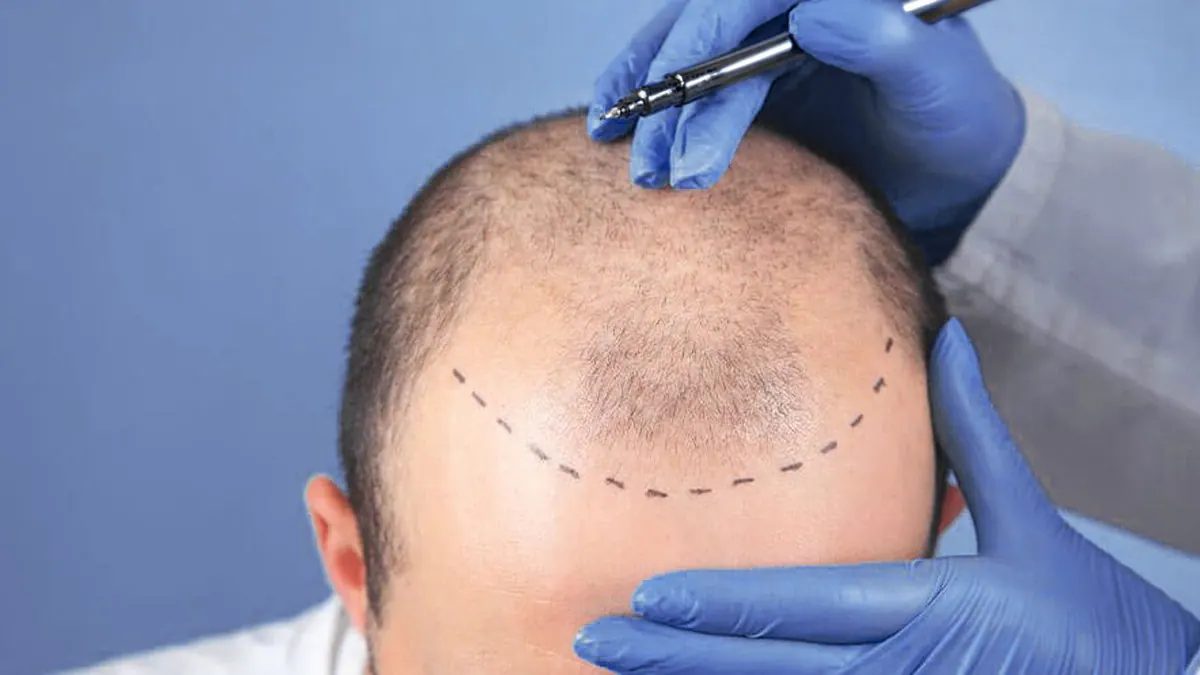 TechniqueFUE Hair Transplant in TurkeyHow FUE takes grafts one by one, how much yo…How it works
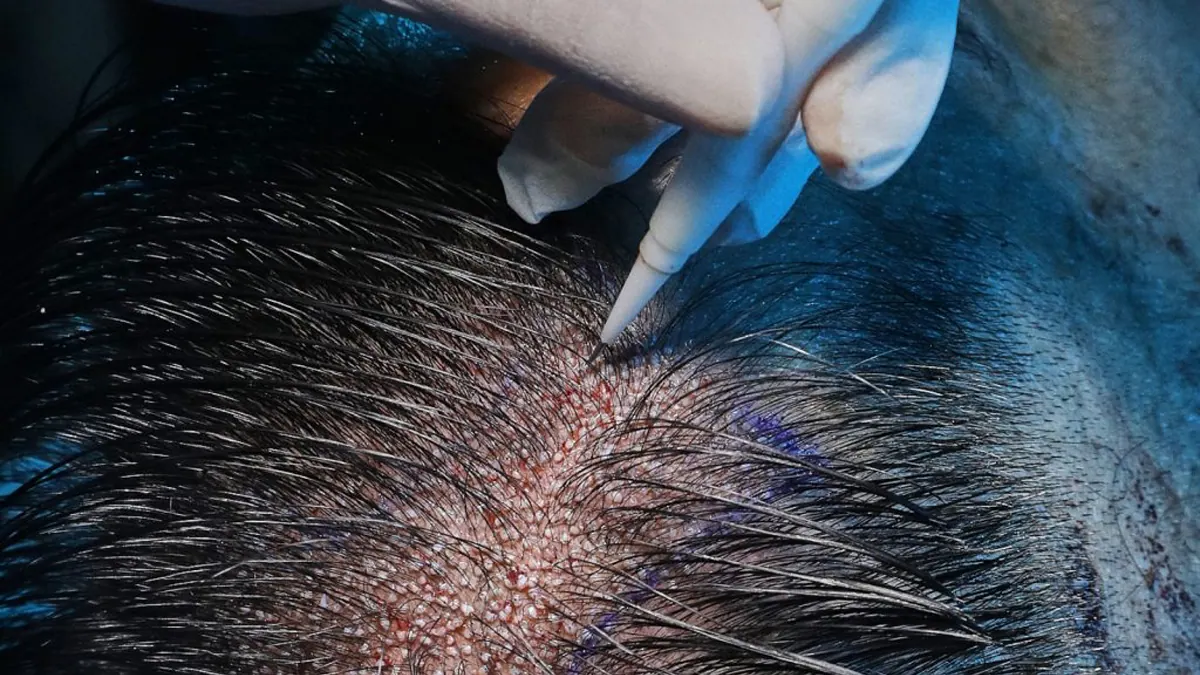 TechniqueDHI Hair Transplant in TurkeyDHI places each graft with an implanter pen…How it works
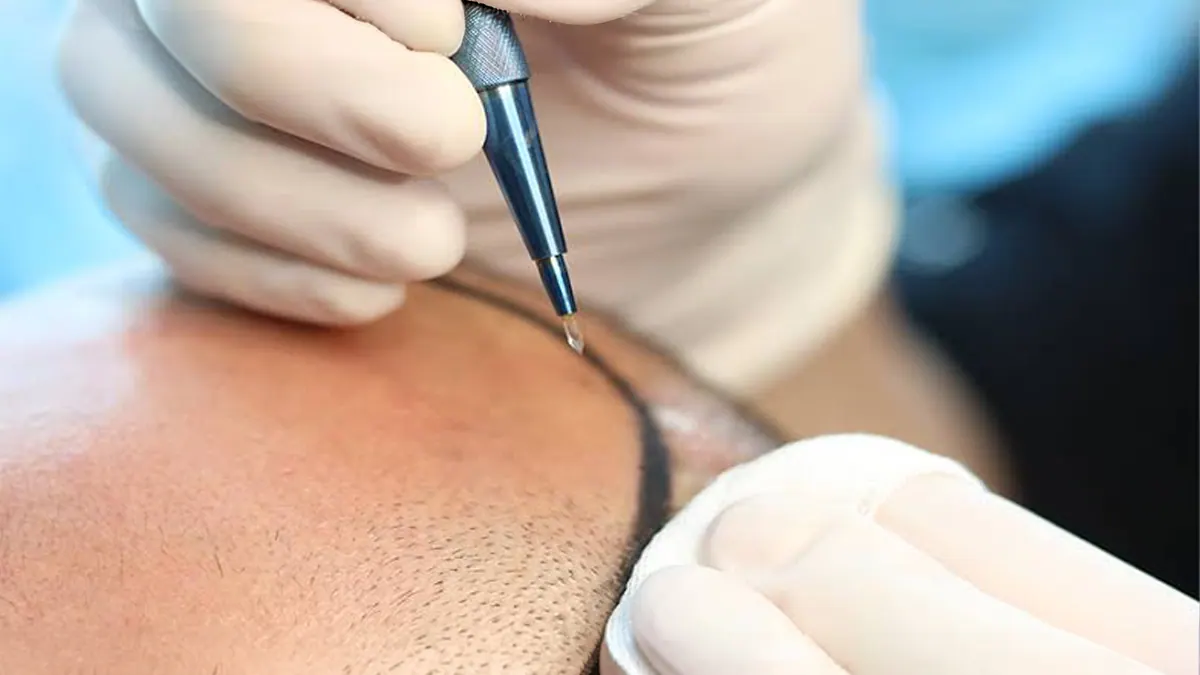 TechniqueSapphire FUE Hair Transplant in TurkeySapphire FUE opens the graft channels with s…How it works CompareSapphire FUE vs FUE Hair TransplantSapphire FUE vs FUE: only the blade that ope…Compare techniques
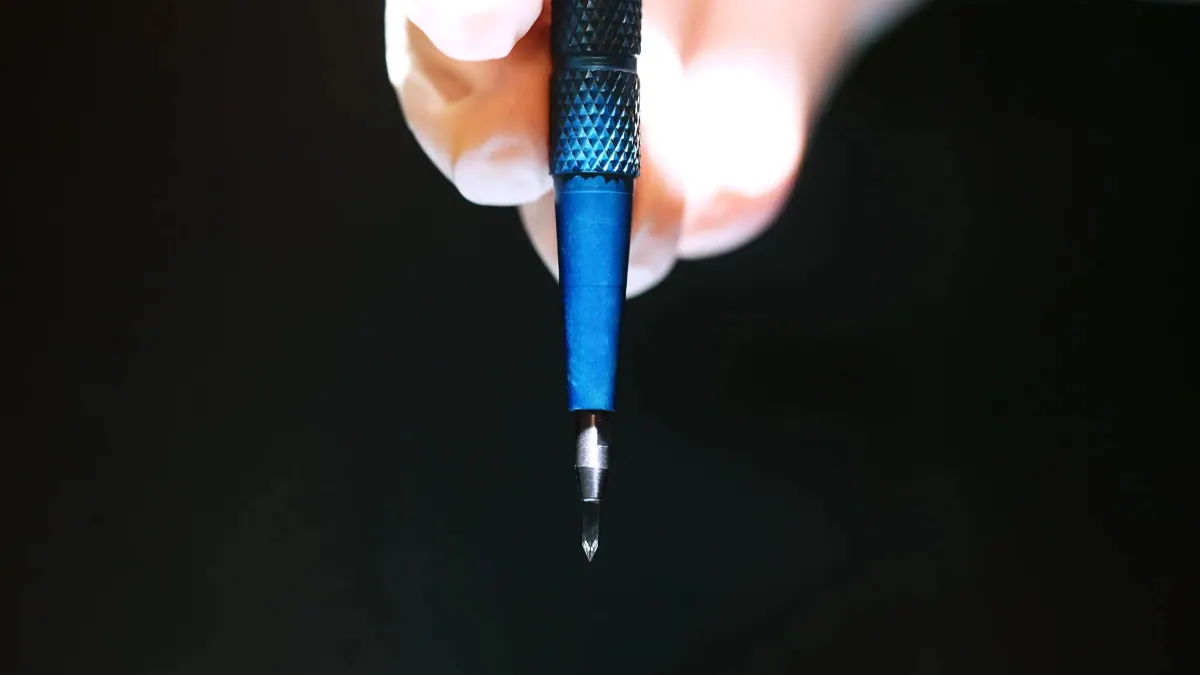 CompareHair Transplant Techniques in TurkeyCompare FUE, DHI, Sapphire FUE and unshaven…Compare techniques PricingHair Transplant Cost in TurkeyWhat a hair transplant really costs in Turke…See the numbers
Common questions
Is DHI better than FUE?
Which is better for a hairline, FUE or DHI?
Can I choose the technique myself?
Can DHI be done without shaving?
Does DHI leave fewer scars than FUE?
Is Sapphire FUE a kind of DHI?
Sources & further reading
This content is for general information only and does not replace a personal medical consultation. Any procedure carries risks that are discussed during your assessment; individual results vary.
Start with a free hair analysis
Share a few photos and our patient team will come back with an indicative plan, the technique that fits and the package that applies — no obligation.