No-Shave Hair Transplant in Turkey
A no-shave (unshaven) hair transplant is FUE or DHI carried out while your existing hair stays long, so the treated area is hidden from the first day. It suits smaller areas and people who cannot be seen with a freshly shaved head. With Natural Hair Turkey it costs the same package price as a shaven transplant. Individual results vary.
Below: what clinics mean by no-shave, the three versions side by side, how many grafts are realistic, who it suits, and how to manage the first two weeks with long hair.
What does “no-shave” actually mean?
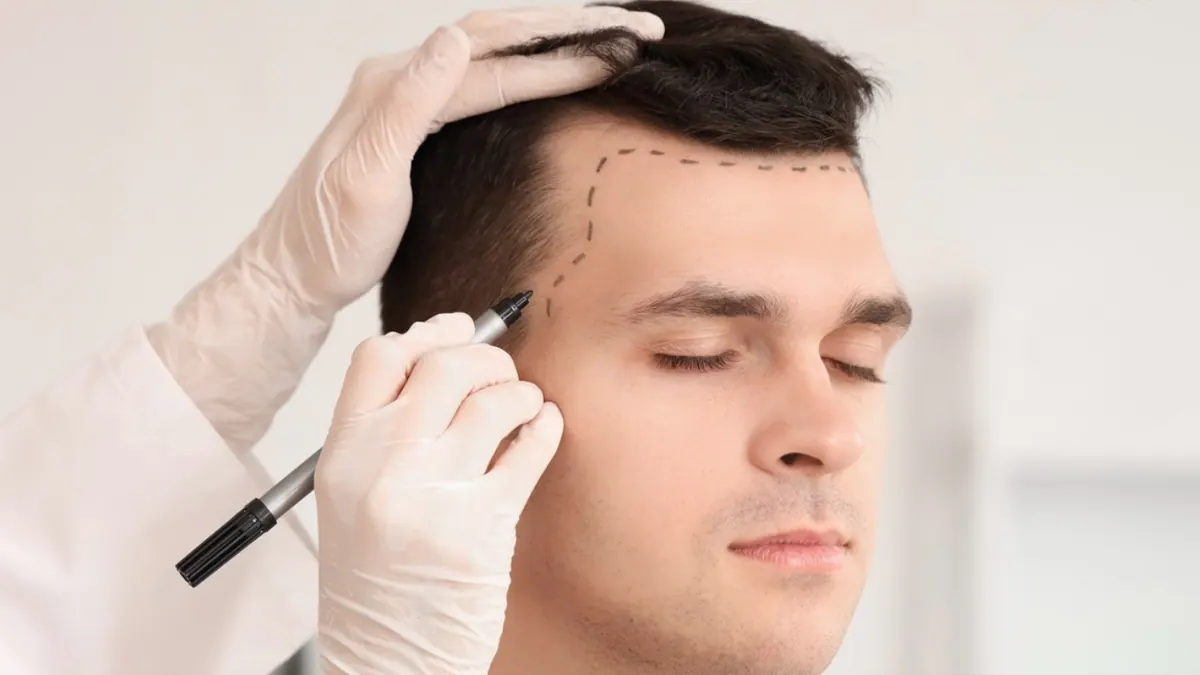
“No-shave” and “unshaven” describe how much hair is cut on the day, not a different way of moving follicles. Grafts are still taken out one at a time and placed one at a time, as in any FUE or DHI procedure, and the extraction sites still leave tiny dot scars rather than a linear one. What changes is that the hair over the treated area, and often over the donor area as well, stays at its normal length.
Clinics use the words loosely. Some mean that nothing at all is cut; some trim a narrow donor strip at the back that the hair above it falls over; others shave only the donor area and leave the top untouched. Before you compare quotes, ask which of these a clinic means — the difference decides how many grafts can be moved and how the first days look.
Fully unshaven, partial shave or long-hair FUE — what is the difference?
The three versions trade discretion against how many grafts can be moved in one session.
| Fully unshaven | Partial shave | Long-hair FUE | |
|---|---|---|---|
| What is cut | Nothing; hair stays at its usual length | A narrow donor strip at the back, under the hair above it | Nothing; donor hairs keep their length after transfer |
| Straight afterwards | Your usual hairstyle, with redness underneath | Your usual hairstyle; the trimmed strip is covered | The implanted hairs already show some length |
| Grafts in one session | The fewest of the three | More than fully unshaven | Few; each graft takes the longest |
| Usually suited to | Small areas, such as gaps at the hairline | Small to moderate areas | People who want to see the new line straight away |
| Time in the chair | Longer than a shaven session | Between the two | The longest |
Which of these is possible for you depends on your donor area, how your hair falls and how many grafts the plan needs, and it is decided at the assessment. A shaven session remains the comparison point: it is the fastest and allows the most grafts in a day.
How many grafts can be done without shaving?
There is no fixed limit, which is why you will see very different numbers quoted. Without shaving, each graft has to be found and removed between longer hairs, and each recipient site opened among them, so the same team moves fewer grafts in a day than on a shaved scalp. The practical ceiling depends on your donor density, the way your hair lies and how long a session can sensibly last.
For a large bald area the honest answer is often that a shaved session, or two unshaven sessions, will achieve more than one unshaven day. Be wary of very high graft numbers promised fully unshaven before anyone has examined your donor area. The graft calculator gives a first estimate; the number is confirmed at your assessment.
Who is it right for — and when is shaving the better choice?
Small or moderate areas such as the hairline, the temples or a thinning patch; people who need to be back at work or in public within days; women and men with long hair who do not want it cut; a later session that adds density to an earlier transplant.
Large areas or advanced hair loss that need many grafts in one session; a donor area that is hard to assess through long hair; very short haircuts, where a trimmed strip could not be hidden anyway; anyone who would rather finish in one session than stay discreet.
Discretion is the main reason to choose no-shave. If it matters little to you, shaving usually makes the session quicker and leaves more room for grafts. If your case could go either way, ask to see the plan both ways before you decide.
The first two weeks with long hair: washing, covering, going back to work
- Ask for the washing routine in writing before you fly home.
- Pack a loose, clean hat that does not rub the hairline.
- Plan the first nights so you can sleep with your head raised.
- Agree with your clinic when you can cut, colour and style your hair again.
Long hair hides the treated area, but it also has to be handled with care. The first washes follow your clinic’s routine: a gentle lotion or foam, lukewarm water, no rubbing over the grafts and letting the hair dry on its own. Long hair holds on to small crusts, so washing can take a little longer than on a shaved head. The washing routine after a hair transplant is explained step by step.
In the early days, avoid anything that presses or rubs on the grafts, such as tight caps or helmets. A loose, clean hat is usually allowed once your clinic says so — see wearing a hat after a hair transplant. Hair dryers on heat, styling products and colour wait until your clinic confirms they are safe.
At work, the visible signs are redness or small crusts along the parting and, in the first days, some swelling of the forehead, rather than a shaved patch. Many people with desk jobs go back within days; physical work needs longer. Returning home after a hair transplant covers the timing.
Does it cost more without shaving?
No. With Natural Hair Turkey a no-shave transplant costs the same package price as a shaven one, between €1,600 and €2,100 (approx. $1,850–$2,400), for up to 5,000 grafts. Working through long hair changes how many grafts fit into one session, not what you pay. The package prices and what they include are set out on the cost page.
Payment is taken in euros; dollar amounts are approximate.
No-shave hair transplant: your questions
Can women have a no-shave hair transplant?
Will the trimmed strip in a partial shave show?
Can the crown be treated without shaving?
Can I go back to work straight after an unshaven transplant?
Is an unshaven hair transplant as good as a shaven one?
How long does an unshaven procedure take?
Is DHI better than FUE for an unshaven transplant?
What is long-hair FUE?
Sources & further reading
- International Society of Hair Restoration Surgery (ISHRS)
- American Academy of Dermatology
- NHS (United Kingdom)
This content is for general information only and does not replace a personal medical consultation. Any procedure carries risks that are discussed during your assessment; individual results vary.
Related pages
 GuideHair Transplant in Turkey: Costs, Techniques and ResultsFUE, DHI and Sapphire FUE hair transplants i…Read the guide
 TechniqueFUE Hair Transplant in TurkeyFollicular Unit Extraction (FUE) in Istanbul…How it works
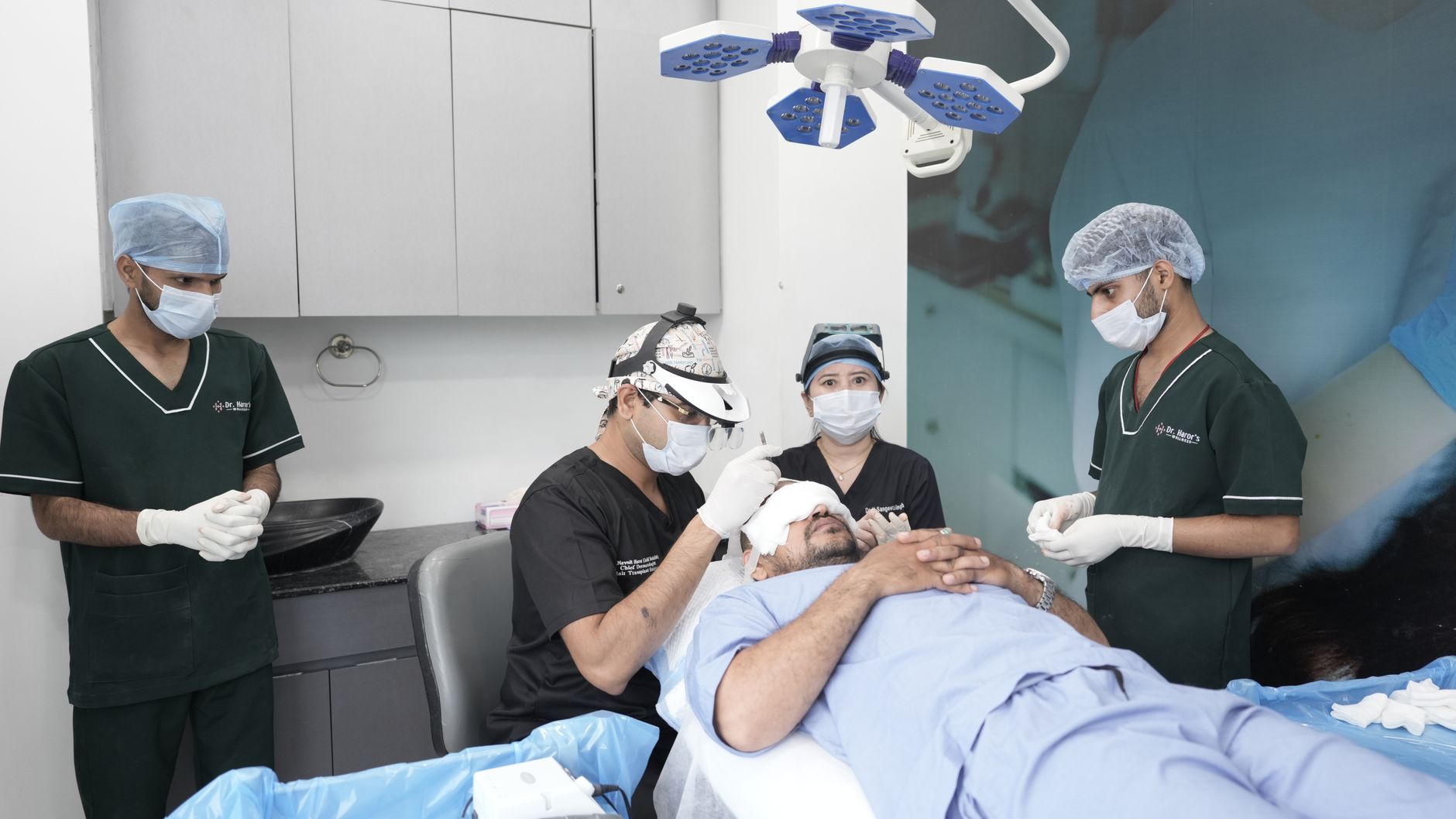 TechniqueDHI Hair Transplant in TurkeyDirect Hair Implantation (DHI) with implante…How it works
 GuideFemale Hair Transplant in TurkeyHair transplants for women — diffuse thinnin…Read the guide
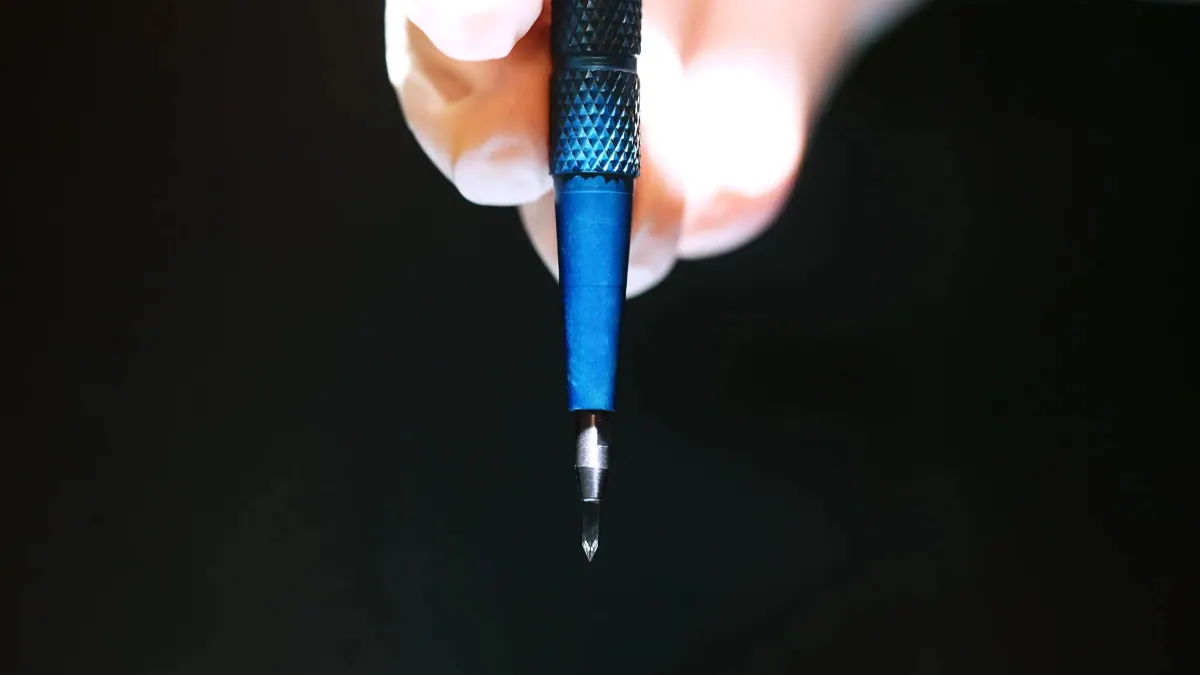 CompareHair Transplant Techniques in TurkeyCompare FUE, DHI, Sapphire FUE and unshaven…Compare techniques
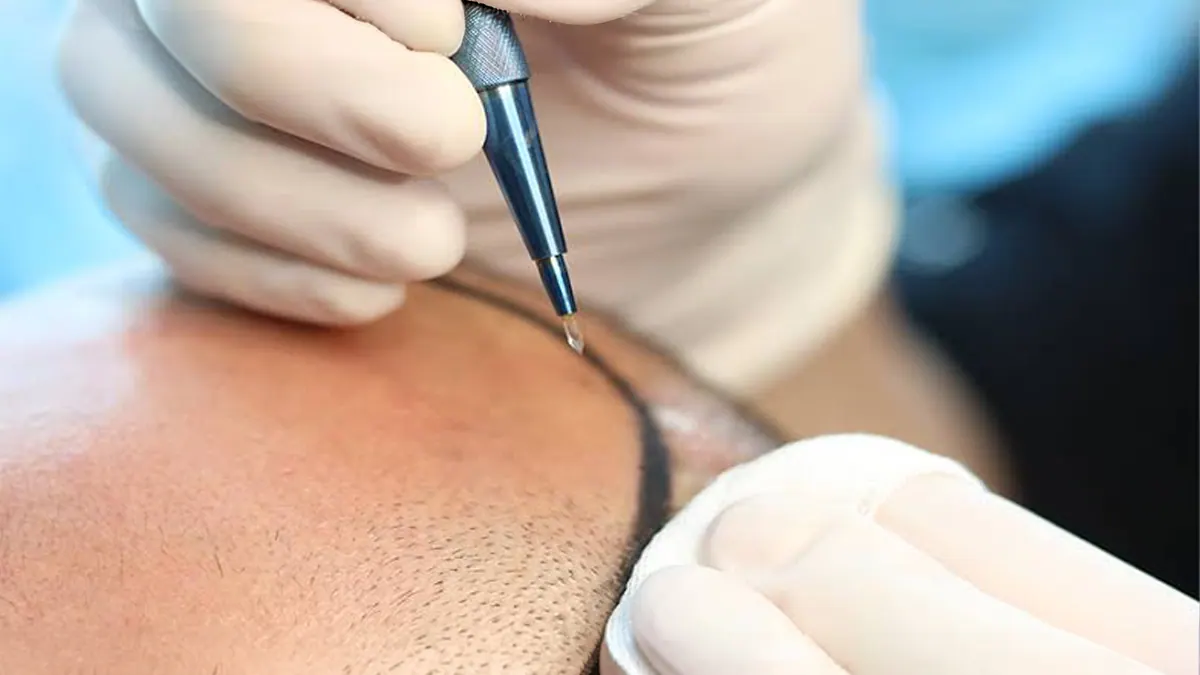 TechniqueSapphire FUE Hair Transplant in TurkeySapphire FUE uses sapphire-blade channels fo…How it works PricingHair Transplant Cost in TurkeyWhat a hair transplant really costs in Turke…See the numbers
 Patient journeyFree Hair AnalysisShare a few photos and our patient team will…What to expect
Want to know if no-shave suits your case?
Send a few photos for a free hair analysis. We tell you which version fits, how many grafts are realistic without shaving and which package applies — with no obligation to book.