

Revision Hair Transplant in Turkey
Repair (revision) surgery corrects the results of a previous hair transplant that looks unnatural, too sparse or has left visible scarring or a poorly placed hairline. It is more complex than a first procedure because donor supply may already be reduced and old grafts may need reshaping or removal. Your assessment looks at what can realistically be improved, and the advice is often to wait until earlier work has fully matured; suitability depends on that assessment.
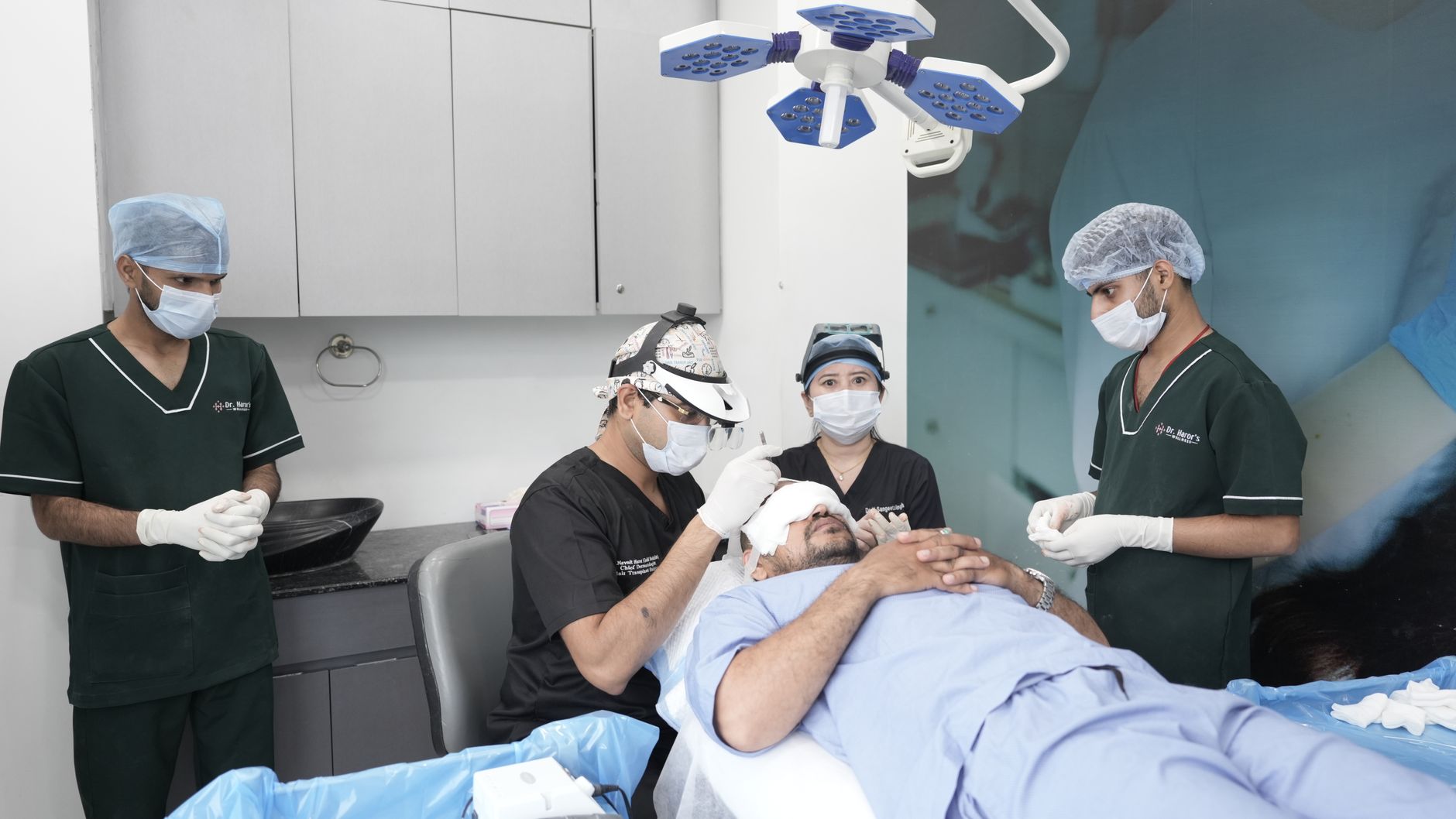 Natural Hair TurkeyIstanbul · Personal assessment
Common reasons people seek a repair
Not every transplant delivers what the patient hoped for. Older techniques or rushed planning can leave results that look artificial or fall short on coverage. A revision aims to make the result look natural and balanced, working within the limits of what the previous surgery left behind.
Why revision is more demanding
Repair work starts from a more difficult position than a first transplant. The best donor hair may already have been used, scar tissue can complicate placement, and existing grafts sometimes need to be redistributed, camouflaged or excised. This calls for careful planning and realistic goals rather than promises of a complete transformation.
Timing matters too. A transplant takes 9–12 months to show its final result, so what looks like a failure at a few months may still be developing. A surgeon will often want to see fully matured work before deciding what a revision can add.
What a realistic repair plan looks like
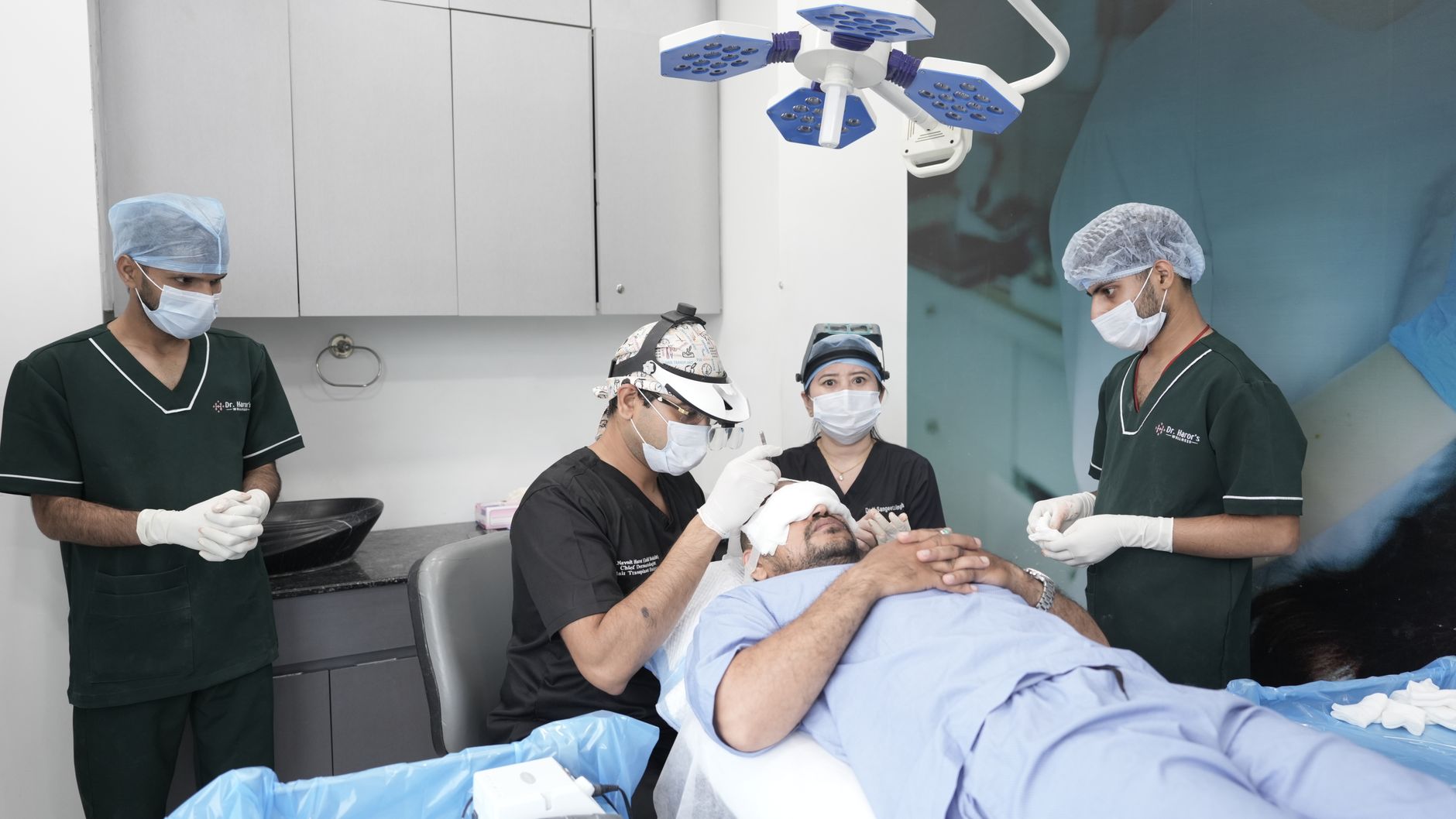
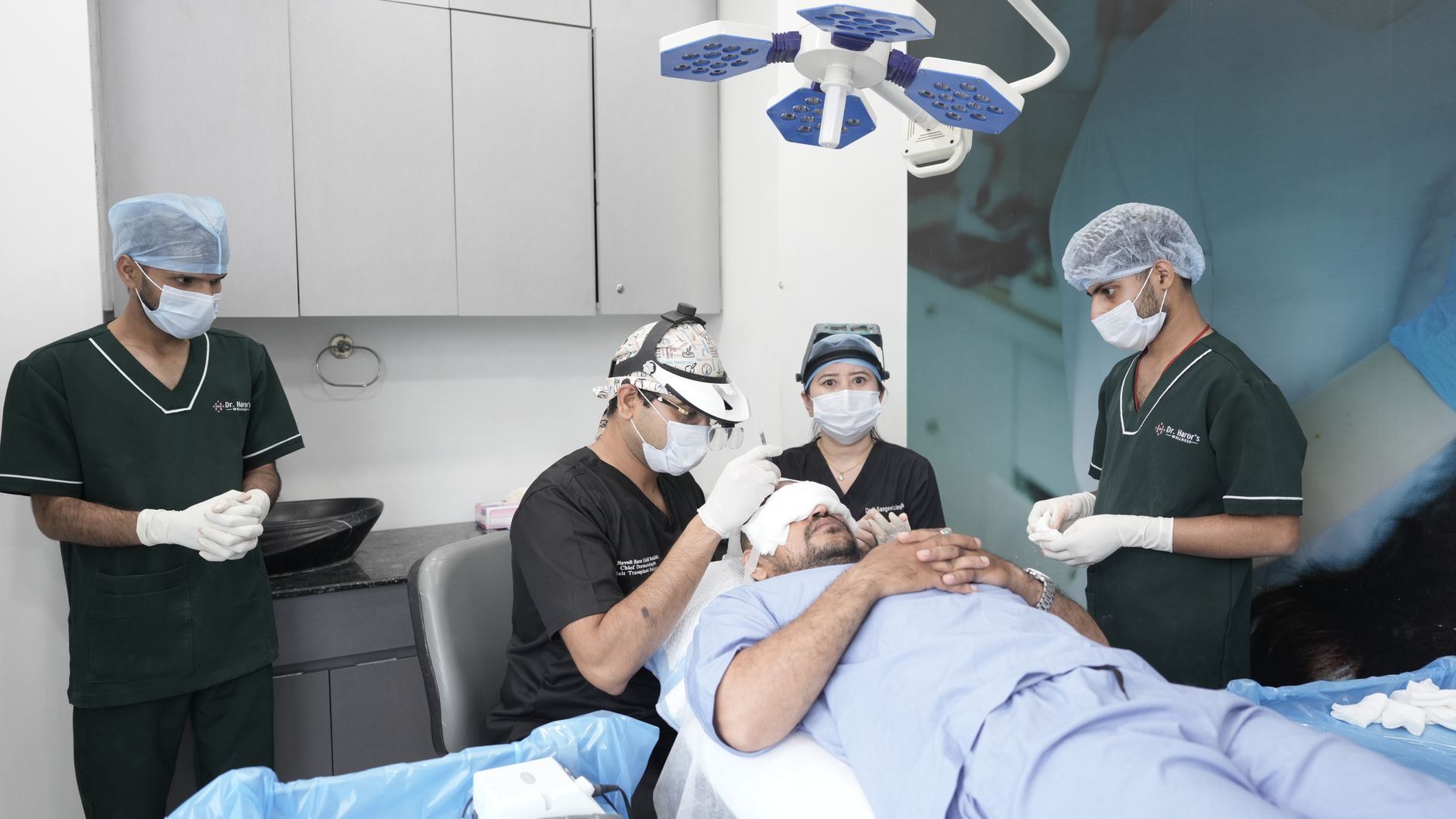
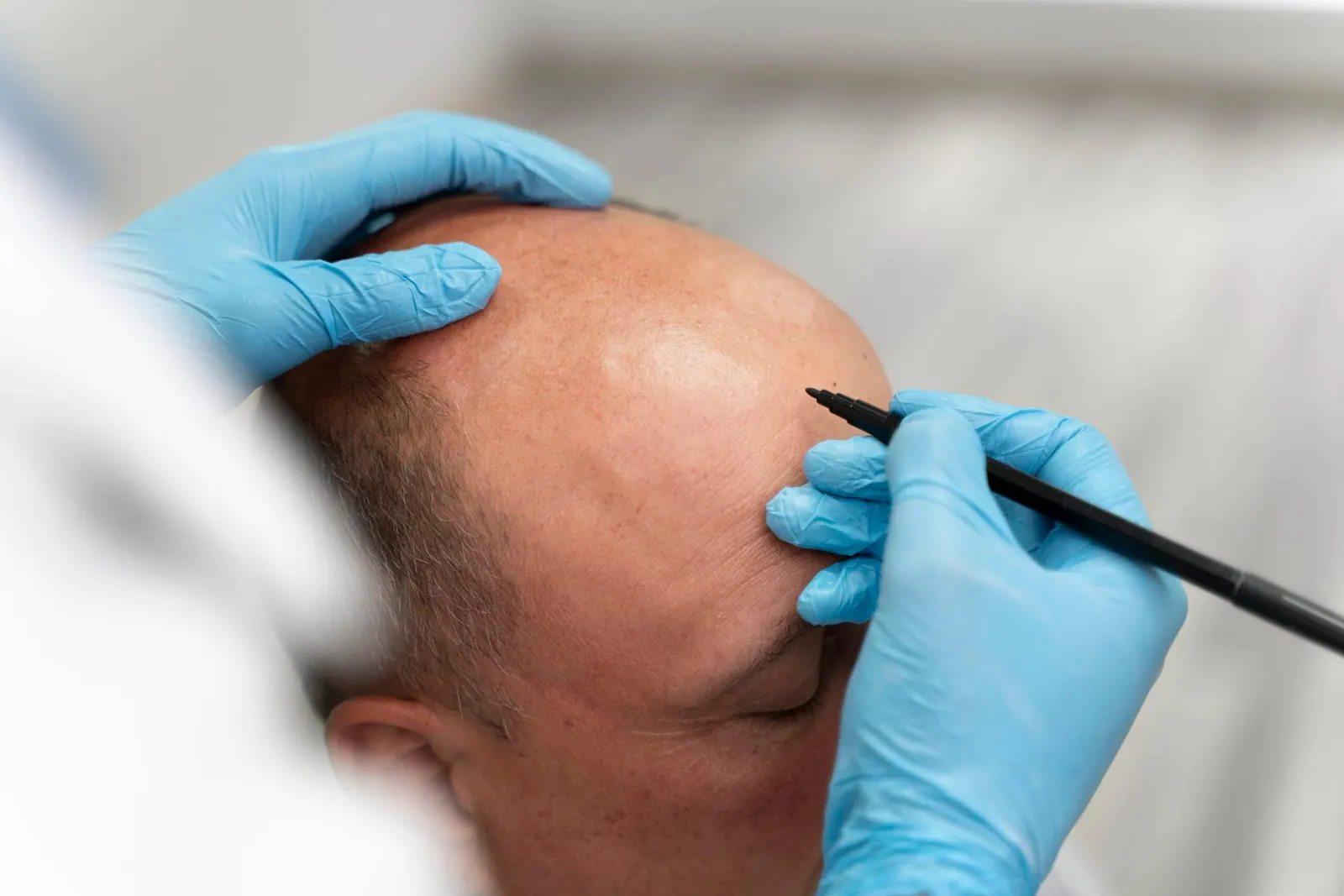
After reviewing your history, photos and donor area, a surgeon sets out what is achievable and what is not. That may combine softening an unnatural hairline, adding density in specific zones, and camouflaging scars — sometimes over more than one session. Honest expectations are central, because donor limits cannot always fully correct extensive earlier work; individual results vary.
Techniques used in repair work
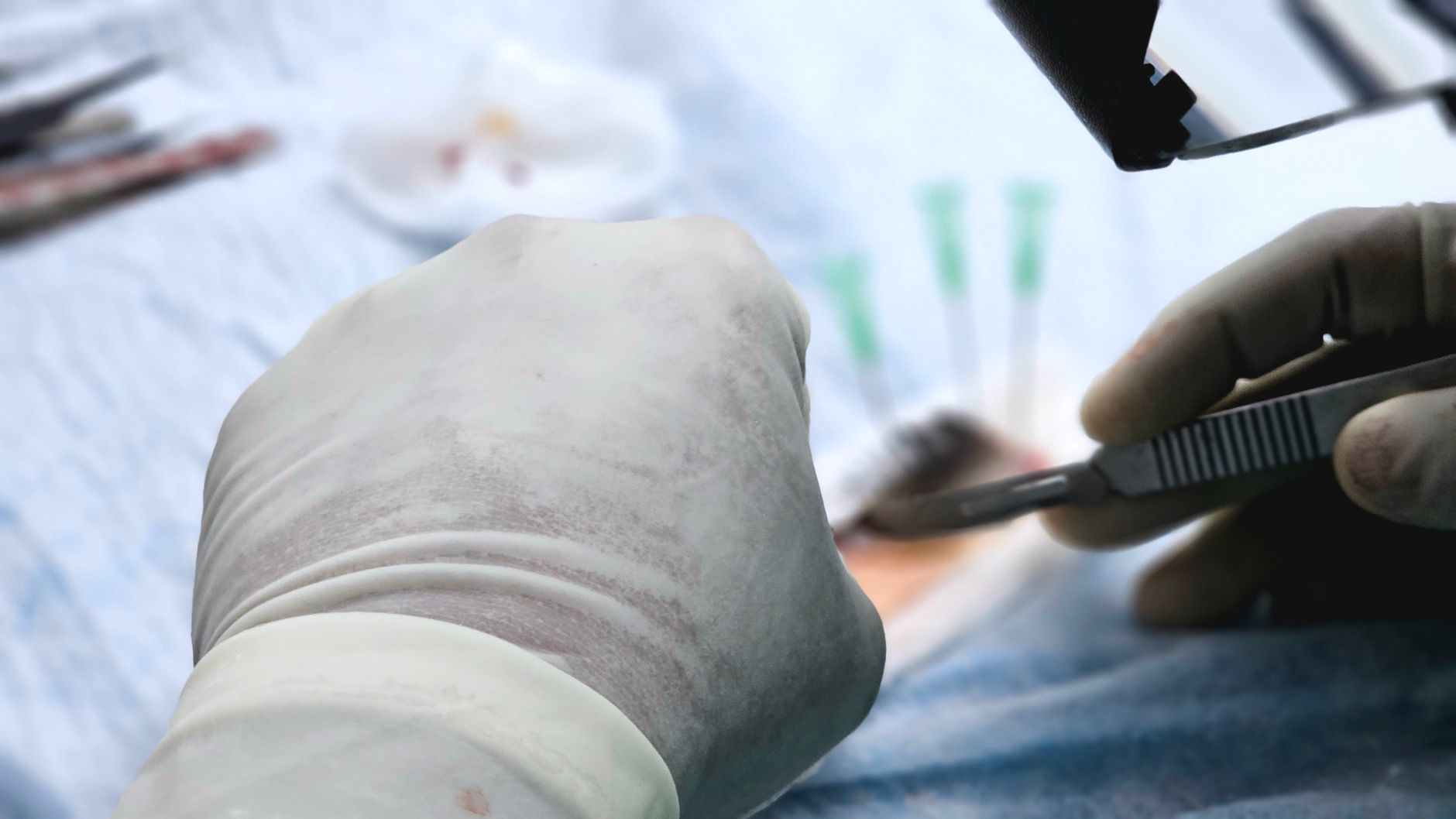
Revision often draws on a wider toolkit than a first transplant. FUE can add grafts to build density or soften a hard, too-low hairline, while individual pluggy or misangled grafts can sometimes be removed and redistributed. Where an old FUT strip scar is part of the picture, grafting into it helps break up the line. Scalp micropigmentation is occasionally used alongside surgery to disguise scarring or add the look of density where donor hair is limited.


Where to go next
 GuideHair Transplant on Scars in TurkeyRestoring hair over surgical or accident sca…Read the guide
 GuideHairline Transplant in TurkeyHairline design and restoration — a natural,…Read the guide
 GuideHair Transplant in Turkey: Costs, Techniques and ResultsFUE, DHI and Sapphire FUE hair transplants i…Read the guide
 Patient journeyFree Hair AnalysisShare a few photos and our patient team will…What to expect TrustPatient SafetyHow we work to recognised clinical standards…How we work PricingHair Transplant Cost in TurkeyWhat a hair transplant really costs in Turke…See the numbers
Common questions
Can a bad hair transplant be fixed?
Is repair surgery more expensive?
Can an over-harvested donor area be repaired?
Is a revision hair transplant riskier?
How long should I wait before a revision?
Will a repair give me a completely natural result?
How many grafts does a revision need?
Start with a free hair analysis
Share a few photos and our patient team will come back with an indicative plan, the technique that fits and the package that applies — no obligation.