

FUE Hair Transplant Before & After
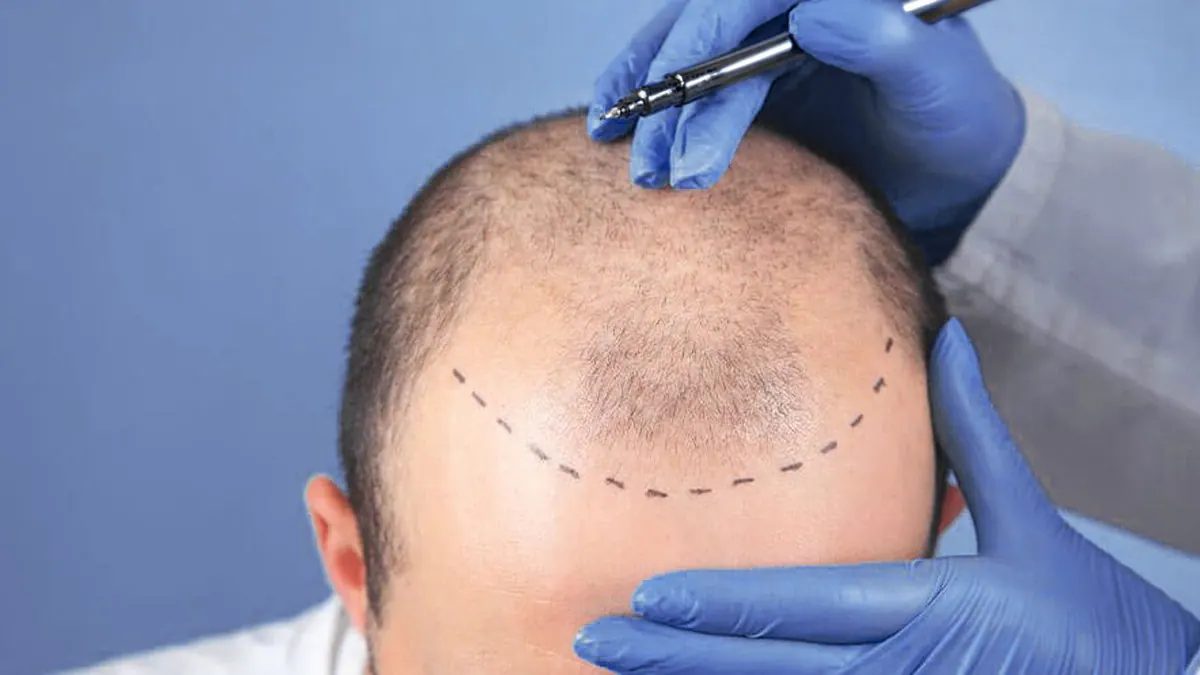
FUE before-and-after photos are most useful when they show the same person at fixed intervals — usually day 1, the shedding phase around weeks 2–6, early growth from month 4 and a maturing result at roughly 9–12 months — rather than a single "after" shot. Read them for graft count, area treated, angle, lighting and how much time has passed, not just the headline. Any photographed cases we publish are shown with the patient's documented consent, and individual results vary depending on donor supply, pattern and healing.
On this page
Tap a case to compare; individual results vary.
What a FUE before-and-after actually shows through the timeline
A single "before" and "after" pair hides most of the story. A more honest FUE gallery follows the same person across the healing timeline: day 1 with tiny extraction and implantation points and some redness, weeks 2–6 when many transplanted hairs commonly shed (this is expected, not a failure), from month 4 as early growth starts to appear thin and patchy, and roughly months 9–12 when the result usually thickens and matures. Judging a case before that window can be misleading in either direction.
Growth is rarely uniform. When results become visible can vary by scalp area and from person to person, finer early hairs thicken over time, and texture and calibre differ between people — which is why two patients with a similar graft count can look different at the same month. Timeframes and individual results vary, so treat any single image as one moment in a longer process.
Reading graft count into the result
Coverage in a photo relates to how many grafts were placed over how large an area, and at what density — so a picture means much more when the graft count and treated zone are stated alongside it. A hairline refinement using an indicative 1,000–1,500 grafts looks very different from a fuller front-and-mid-scalp restoration, and comparing the two as if they were the same procedure is a common mistake. Numbers here are indicative ranges, not quotes.
More grafts is not automatically a better outcome; it is about matching available donor supply to your pattern and goals. We confirm the appropriate number after a personal assessment, because donor density, scalp laxity and the look you want all shape what a realistic result can cover.
How to critically evaluate any before-and-after gallery
Photos are persuasive, so it helps to look at them sceptically before drawing conclusions. Consistency and disclosure matter more than polish.
Watch for a few things in particular:
Our gallery, consent and a more reliable guide than photos
Any patient photographs we publish on this site are shared with the individual's documented, informed consent, in line with GDPR and Turkey's KVKK, and can be withdrawn. Where a case is included we aim to state the indicative graft count, the area treated and the time elapsed so you can assess it fairly rather than take it on trust. Cases placed with an implanter pen are on DHI hair transplant before and after.
The most reliable picture of what FUE could realistically achieve for you comes from a free hair analysis, where your own donor area and pattern are reviewed and an honest, no-obligation plan is set out; individual results vary.
Crown, hairline and mid-scalp: why they photograph differently
Where you look in a FUE photo matters. When results become visible can vary by scalp area and from person to person, so the hairline and the crown — the whorl at the back — may not look ready at the same time, and the crown is where photos are easiest to misread. Judge each area against the mature result at around 9–12 months, not at an earlier stage, and check which zone a gallery is actually showing before drawing conclusions.
The mid-scalp fills in as density builds. This is why a fair before-and-after states the area treated, not just an overall after shot: a strong hairline result and a patient still waiting on crown maturity can be the same person on the same day. How your own zones are likely to progress is explained at assessment, and individual results vary.
Request your free hair analysis
Share a few details and photos; our patient team replies with an indicative graft count, the technique and the package that applies. Your data is handled per our privacy policy and used only for your assessment.
Where to go next
 TechniqueFUE Hair Transplant in TurkeyHow FUE takes grafts one by one, how much yo…How it works ResultsHair Transplant Before & After in TurkeyConsented before-and-after case examples by…See results Free toolHair Graft CalculatorEstimate how many grafts you may need with o…Try the tool PricingHair Transplant Cost in TurkeyWhat a hair transplant really costs in Turke…See the numbers GuideContact Natural Hair TurkeyGet in touch for a free hair analysis — What…Read the guide
Common questions
When will I see my final FUE result after the photos?
How can I tell if a before-and-after photo is genuine?
How many grafts do FUE before-and-after photos usually represent?
Why do transplanted hairs fall out in the weeks 2–6 photos?
Does a higher graft count mean a better before-and-after?
Can I compare someone else's FUE before-and-after to my own case?
Start with a free hair analysis
Share a few photos and our patient team will come back with an indicative plan, the technique that fits and the package that applies — no obligation.