

Beard Graft Calculator
The beard graft calculator estimates how many grafts a beard or moustache restoration may need, based on the areas you want to fill and the density you are after. It gives an indicative figure to help you plan — the confirmed number depends on your facial-hair pattern and scalp donor supply, which are assessed in person. Use it as a guide, then upload photos for a reviewed estimate.
 Natural Hair TurkeyIstanbul · Personal assessment
How beard graft numbers are estimated
Beard restoration uses follicles from the scalp donor area, placed at the flat, downward angles that facial hair naturally follows. The number of grafts depends on which zones you want to build — cheeks, jawline, moustache, goatee or connecting patches — and how full you want them. The calculator maps your selections to a typical range so you can plan.
Why the figure is indicative
Your existing beard pattern, the direction of the hair and your scalp donor supply all shape the real plan, and none of these can be judged from a calculator. The estimate is a planning guide; we confirm the graft count and checks that your donor area can support it after a personal assessment. Suitability depends on that evaluation.
Typical grafts by beard zone
Facial hair is planned zone by zone, and each area has a typical range the calculator draws on. Combining zones and choosing a fuller density pushes the total up; targeted patch-filling keeps it modest. These are planning figures — we confirm the count after checking your existing pattern and scalp donor supply.
What the number can't tell you
A graft count is only half the plan. Beard restoration also depends on the direction your facial hair grows, how new grafts will blend with any existing beard, and whether your scalp donor area can spare the follicles without thinning the back of your head. Skin conditions and previous scarring matter too. These are judgement calls a surgeon makes in person, which is why the estimate here is a guide rather than a final figure; suitability depends on that assessment.
Request your free hair analysis
Share a few details and photos; our patient team replies with an indicative graft count, the technique and the package that applies. Your data is handled per our privacy policy and used only for your assessment.
Where to go next
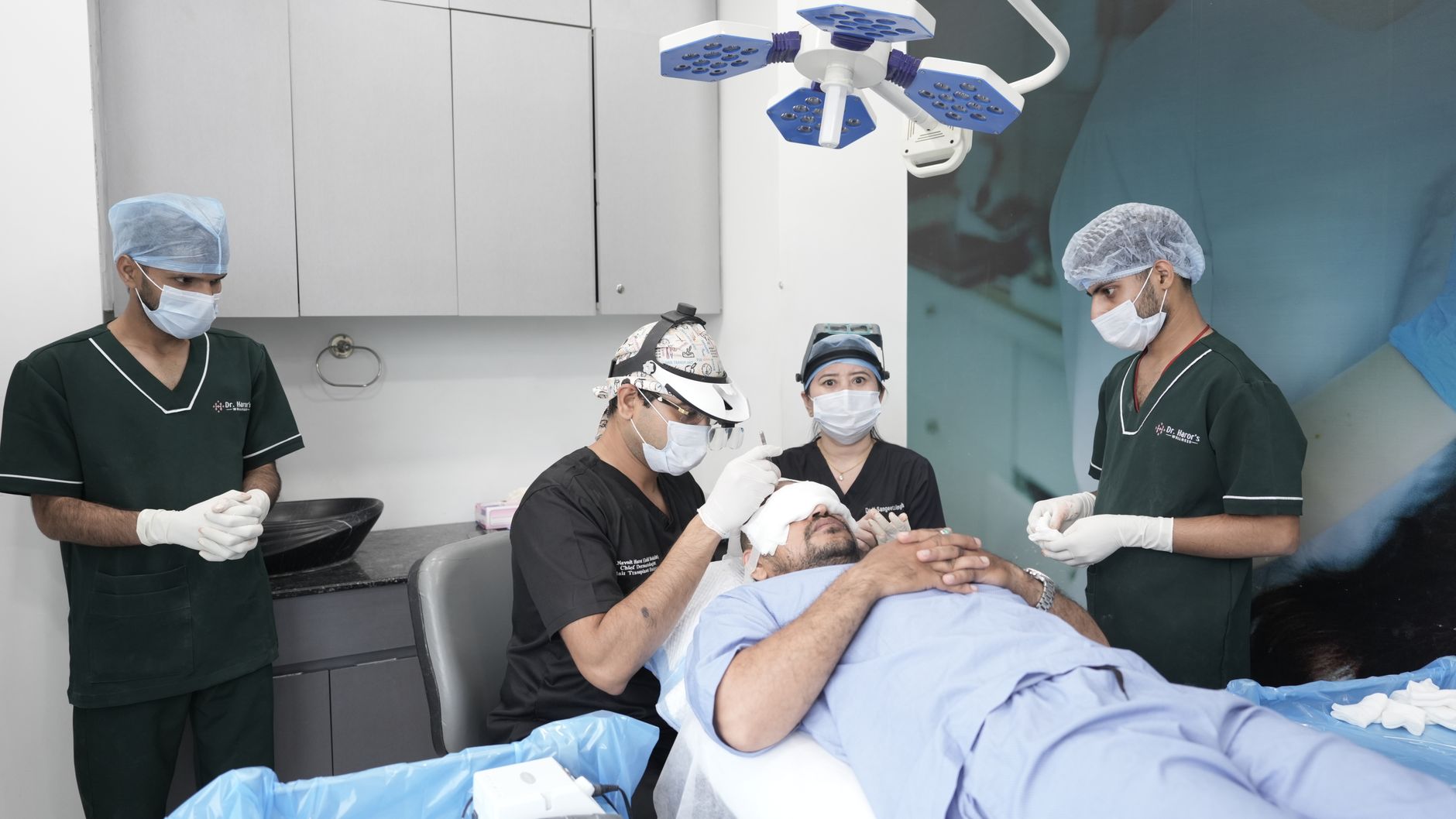 GuideBeard Transplant in TurkeyBeard and moustache restoration with FUE/DHI…Read the guide Free toolHair Graft CalculatorEstimate how many grafts you may need with o…Try the tool
 Patient journeyFree Hair AnalysisShare a few photos and our patient team will…What to expect PricingHair Transplant Cost in TurkeyWhat a hair transplant really costs in Turke…See the numbers
 GuideHair Transplant in Turkey: Costs, Techniques and ResultsFUE, DHI and Sapphire FUE hair transplants i…Read the guide
Common questions
How many grafts do I need for a beard transplant?
Is the calculator's number final?
How long do beard grafts take to grow?
Can I shave normally after a beard transplant?
Where do beard grafts come from?
Can it estimate patchy-area fills?
Will a beard transplant look natural?
Start with a free hair analysis
Share a few photos and our patient team will come back with an indicative plan, the technique that fits and the package that applies — no obligation.