Donor Area After a Hair Transplant
The donor area at the back and sides is where follicles are harvested, and with FUE it heals as thousands of tiny dot-sized wounds rather than a single line. Expect tenderness, redness and small scabs that typically settle within one to two weeks, followed by regrowth of the surrounding hair over the following weeks. Gentle washing and avoiding pressure, scratching and strong sun protect it. Individual results vary, so follow your team's specific guidance.
 Natural Hair TurkeyIstanbul · Personal assessment
How the donor area heals
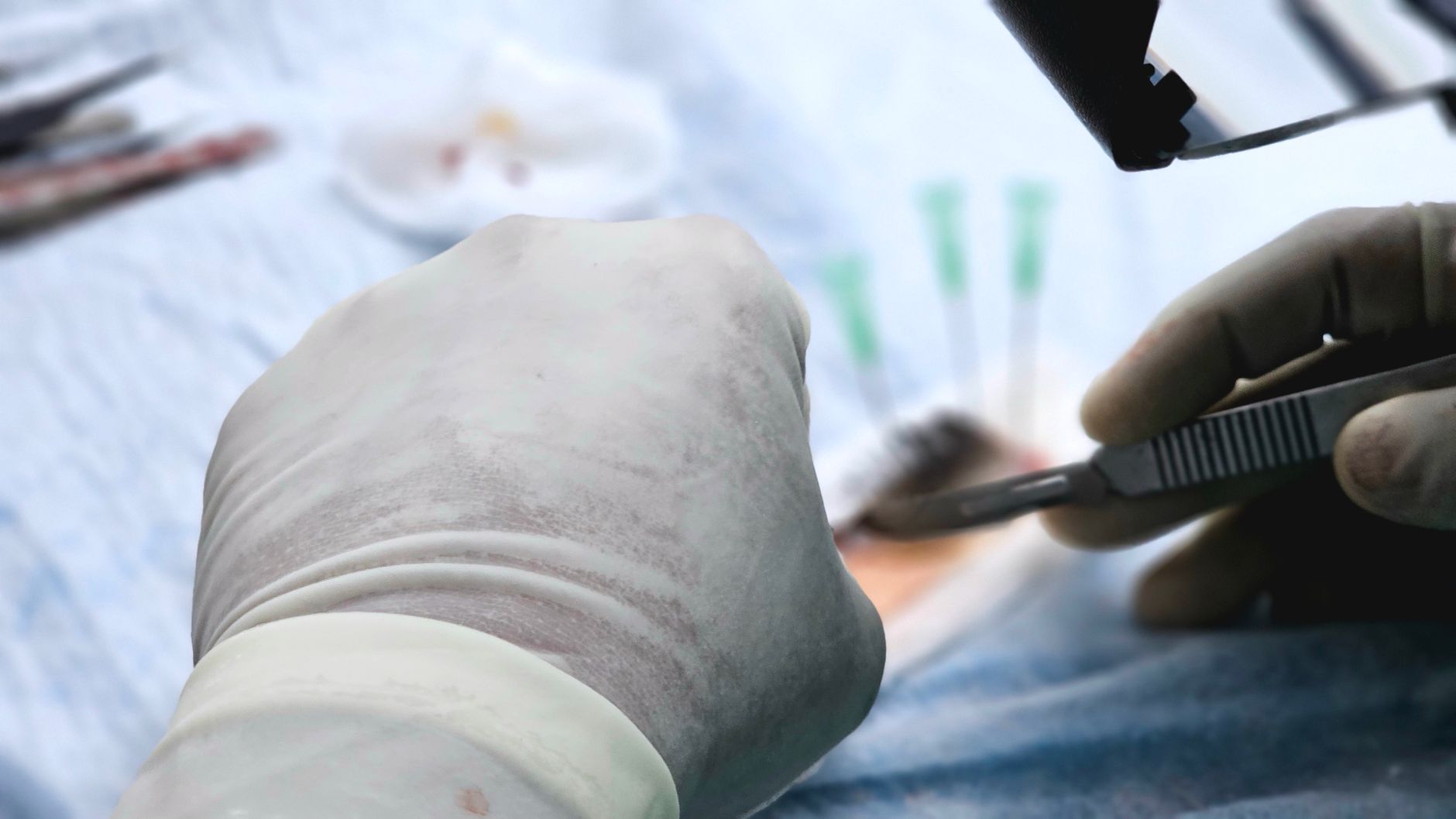
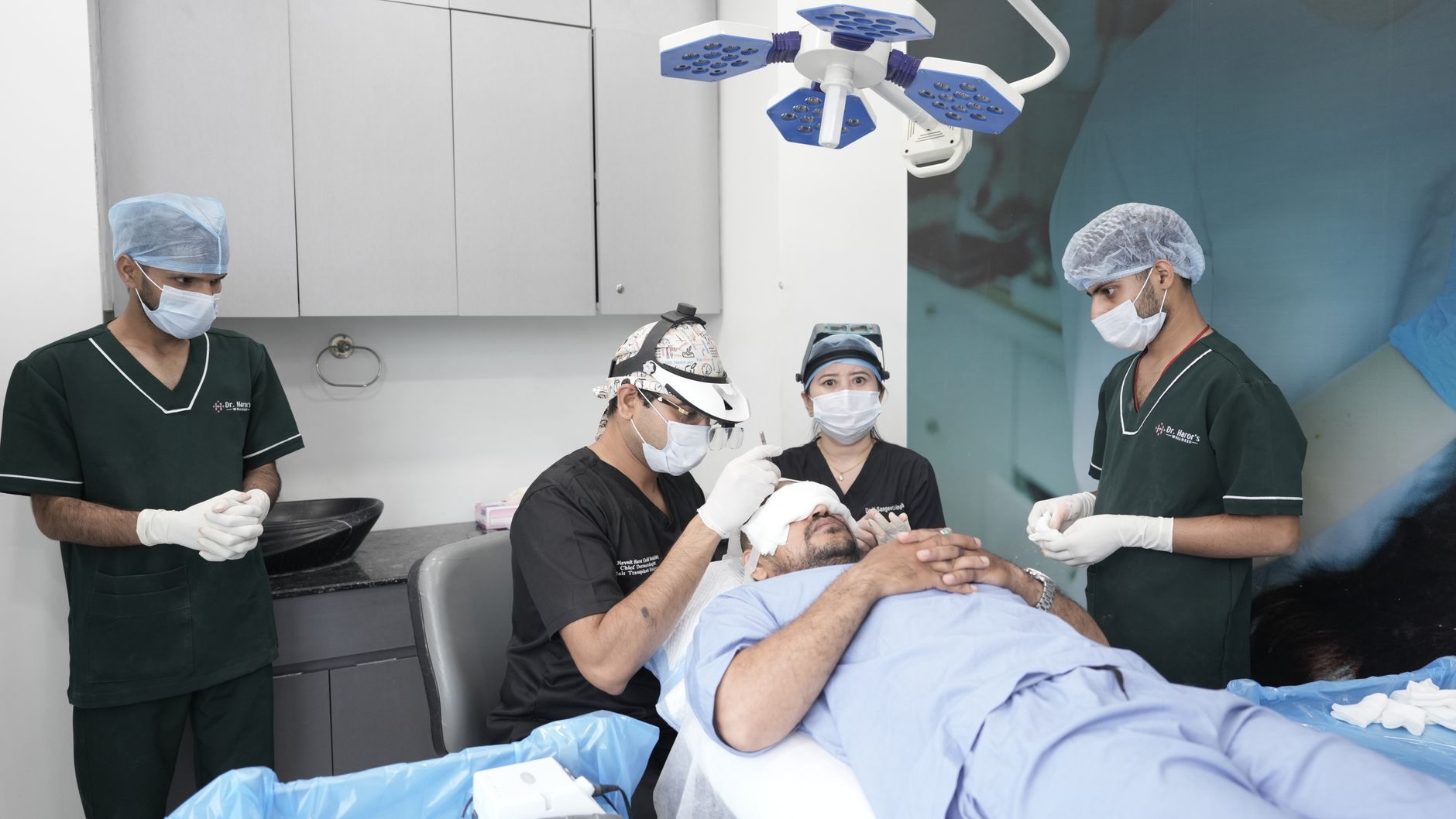
With follicular unit extraction, individual follicles are taken from across the donor zone using a micro-punch. Because each extraction point is tiny, the area heals as many small dots rather than a single scar line. In the first days it looks red and may feel tight or tender, and small scabs form at the extraction points before lifting away.
The existing hair around the extraction points is not removed and continues to grow, so as it lengthens it helps camouflage the healing area. Careful, even harvesting is what keeps the donor zone looking natural once it recovers.
Caring for the donor area
The donor area needs the same gentle handling as the recipient area, with a few specifics of its own. The pointers below are typical; your clinic's instructions take priority.
Donor scarring: FUE dots versus an FUT line
How the donor area scars depends on the harvesting method. FUE, the approach most international patients choose, leaves many tiny dot-shaped marks scattered across the donor zone, which are usually well hidden by surrounding hair once healed and allow shorter styles for most people. The older strip method (FUT) removes a strip of skin and leaves a single linear scar that a longer style covers. Neither is invisible, and how noticeable any marks are varies between individuals — a point worth discussing when you choose a technique.
What's normal and what to raise
Tenderness, tightness, mild numbness and small scabs are all part of normal donor healing and usually ease over the first weeks. Numb or tingling patches can take longer to fully resolve and typically settle with time. If you notice spreading redness, significant pain, discharge or anything that feels wrong, contact your team rather than waiting for the next scheduled check-in.
What to expect
Days 1–3
The donor area looks red and feels tight or tender. Small scabs form at the extraction points. Avoid pressure and follow washing guidance.
Days 3–10
Gentle washing softens the scabs, which lift away naturally. Redness begins to ease; do not scratch even as it itches.
Weeks 2–4
Most scabs have cleared and redness fades further. Surrounding hair grows to help camouflage the extraction points.
Beyond a month
The donor zone continues to settle. Any numbness or tingling usually resolves gradually over the following weeks.
Where to go next
 Patient journeyAfter a Hair Transplant: Aftercare GuideThe aftercare that protects your result — wa…What to expect Patient journeyWashing After a Hair TransplantHow and when to wash after a hair transplant…What to expect Patient journeyShock Loss After a Hair TransplantWhy transplanted (and some existing) hair sh…What to expect Patient journeyHair Transplant TimelineA week-by-week and month-by-month timeline o…What to expect Patient journeySleeping After a Hair TransplantHow to sleep safely after a hair transplant…What to expect ResultsHair Transplant After 1 MonthWhat to expect one month after a hair transp…See results
Common questions
How long does the donor area take to heal after FUE?
Is numbness in the donor area normal?
Can I shave my head short after FUE?
Why is my donor area numb after a hair transplant?
Will the donor area look thinner afterwards?
Does the donor area scar?
Will the donor hair grow back where it was taken?
Start with a free hair analysis
Share a few photos and our patient team will come back with an indicative plan, the technique that fits and the package that applies — no obligation.