




What Is a Hair Transplant? Complete Guide
Hair loss is a common concern that affects millions of people worldwide, impacting self-esteem and confidence. For those seeking a permanent and natural-looking solution, a hair transplant has become the gold standard. This surgical procedure offers a way to restore hair to areas that are thinning or bald, using your own hair for results that are virtually undetectable. It’s not just about regaining hair; it’s about reclaiming a sense of self and facing the world with renewed confidence. The technology and techniques behind this procedure have evolved dramatically, making it safer, more effective, and more accessible than ever before.
Understanding the intricacies of the process is the first step for anyone considering this life-changing procedure. From the underlying scientific principles to the different techniques available and the recovery timeline, being well-informed ensures you can set realistic expectations and make the best decision for your specific needs. This guide will walk you through every essential aspect of hair transplantation, demystifying the process and providing a clear picture of what it entails.
What Is a Hair Transplant and How Does It Work?
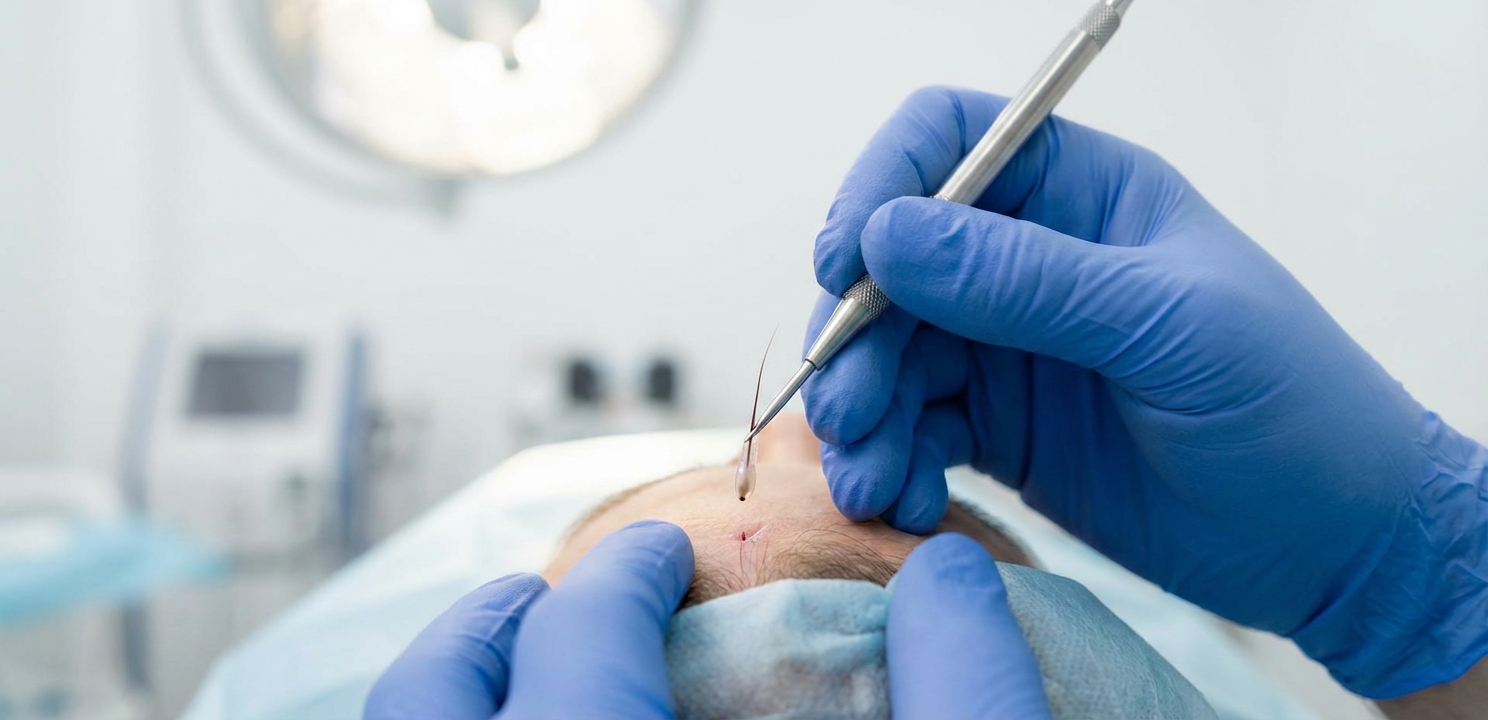
At its core, a hair transplant is a surgical technique that involves moving individual hair follicles from one part of the body, known as the ‘donor site,’ to a bald or balding part of the body known as the ‘recipient site.’ It is fundamentally a process of redistribution, not creation. The procedure doesn’t create new hair follicles but rather relocates existing, healthy ones to areas where they are needed most. The overwhelming majority of procedures are performed to address male or female pattern baldness, but they can also be used to restore eyelashes, eyebrows, beard hair, and to cover scars caused by accidents or previous surgeries.
The Core Principle: Autologous Transplantation
The success of a hair transplant hinges on a principle called autologous transplantation, which means the tissue is transplanted from the same individual. Since the transplanted follicles are from your own body, there is no risk of immune rejection, which would occur if the follicles came from another person. This is the same reason why organ transplants require immunosuppressant drugs, while a hair transplant does not. The scientific basis for this procedure, known as Follicular Unit Transplantation, relies on the concept of “donor dominance,” which states that hair follicles moved from the donor area will retain their original genetic characteristics, even when transplanted to a new location.
Understanding the Donor Area
The donor area is typically located on the back and sides of the scalp. The hair in this region is genetically programmed to be resistant to the effects of Dihydrotestosterone (DHT), the hormone primarily responsible for androgenetic alopecia, or common pattern baldness. Even in individuals with advanced hair loss, this “horseshoe” pattern of hair remains dense and healthy. Surgeons carefully harvest follicles from this robust area, ensuring that the hair that grows in the recipient area will also be permanent and resistant to falling out over time. The skill of the surgeon lies in harvesting these grafts without noticeably thinning the donor area itself, maintaining a natural look all around.
Popular Hair Transplant Techniques Explained
Over the years, hair transplant technology has made significant advancements. While older methods like “hair plugs” created an unnatural, doll-like appearance, modern techniques focus on transplanting individual follicular units (naturally occurring groups of 1 to 4 hairs) to achieve completely natural and dense results. The two leading methods used today are Follicular Unit Extraction (FUE) and Direct Hair Implantation (DHI), with Sapphire FUE being a sophisticated enhancement of the FUE technique.
Follicular Unit Extraction (FUE)
FUE is one of the most popular and widely practiced methods. In this technique, the surgeon extracts individual follicular units directly from the donor area using a specialized micro-punch tool, typically between 0.6mm and 1.0mm in diameter. Each unit is harvested one by one, leaving tiny, circular scars that are almost invisible to the naked eye once healed. After extraction, the surgeon creates small incisions in the recipient area and carefully places the harvested grafts into these channels. The FUE method is renowned for its minimally invasive nature, lack of a linear scar, and relatively quick recovery period compared to older techniques.
Sapphire FUE: A Refinement of a Classic
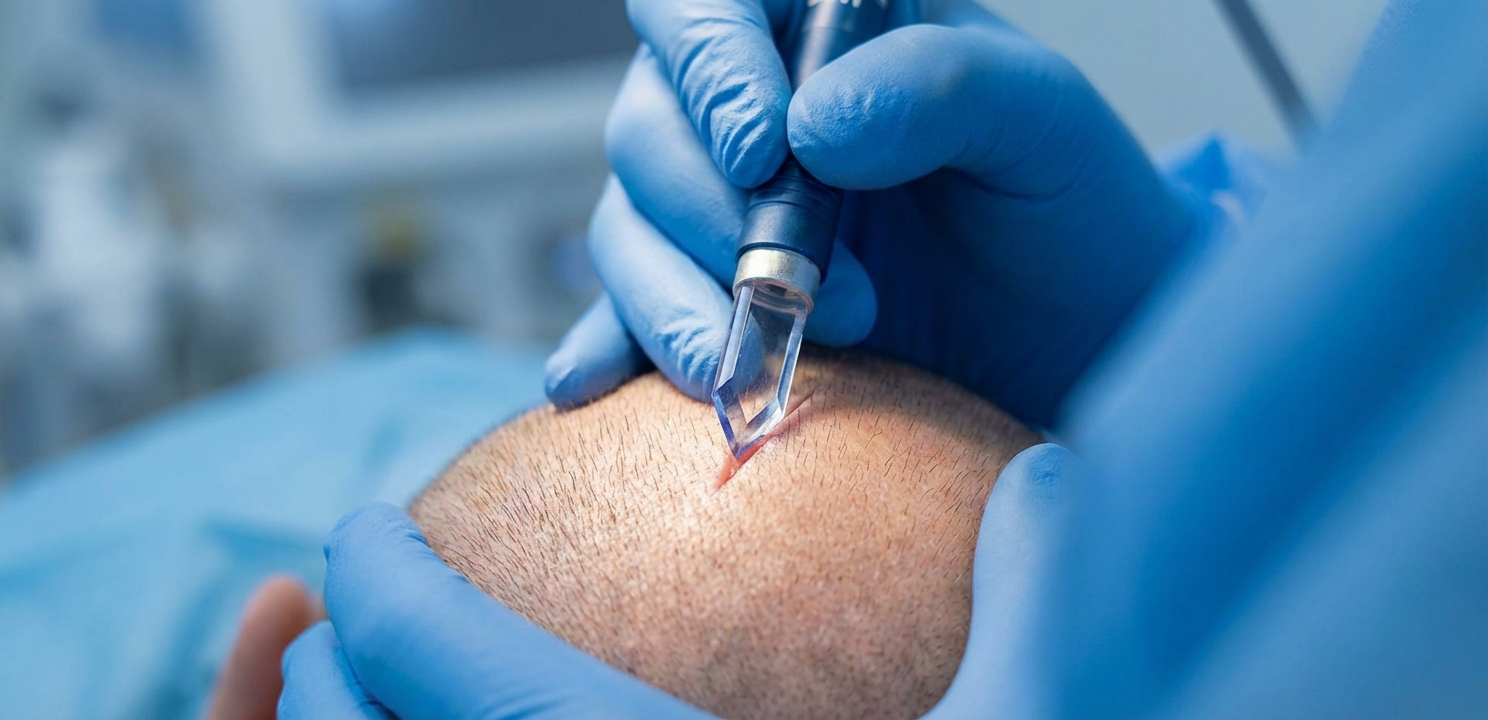
Sapphire FUE is not a completely different technique but rather an innovation within the FUE method. The primary difference lies in the tool used to create the incisions in the recipient site. Instead of traditional steel blades, the Sapphire FUE technique uses blades made from a precious gemstone: sapphire. These blades are significantly sharper, smoother, and more durable. This allows the surgeon to create finer, more precise V-shaped channels rather than the U-shaped channels made by steel blades. The benefits are numerous: less tissue trauma, reduced bleeding, lower risk of scalp irritation, and faster healing. The precision of sapphire blades may also allow for denser packing of the grafts, potentially leading to fuller results.
Direct Hair Implantation (DHI)
The DHI method represents a further refinement of the implantation process. With DHI, after a follicular unit is extracted, it is loaded into a specialized, pen-like instrument called a Choi Implanter Pen. This tool is then used to implant the graft directly into the recipient area without the need to create pre-made incisions. The surgeon can control the depth, angle, and direction of each implanted hair with extreme precision. This method minimizes the time the graft spends outside the body, which is believed to maximize its survival rate. DHI is often preferred for increasing density in existing hair and for smaller procedures like eyebrow or beard transplants due to the high level of control it offers.
Who Is an Ideal Candidate for Hair Transplantation?
While a hair transplant can be a fantastic solution, it is not suitable for everyone. Several factors determine a person’s candidacy. An ideal candidate typically has a stable pattern of hair loss, meaning their hair loss has slowed or stopped progressing. This is important because if the procedure is done too early, natural hair loss may continue around the transplanted hair, requiring further procedures. Candidates must also have a sufficient supply of healthy donor hair on the back and sides of their scalp to achieve the desired coverage. General good health is also essential to ensure proper healing. Finally, having realistic expectations about the outcome is crucial for patient satisfaction. Understanding if you are a suitable candidate is the first step in a successful hair transplant journey.
The Hair Transplant Journey: From Consultation to Full Growth
The path to a full head of hair is a multi-stage process that requires patience. From the initial discussion to seeing the final results, the timeline can span over a year. Each phase is critical to the overall success of the procedure.
Post-Procedure Recovery and Timeline
The recovery period after a hair transplant is just as important as the surgery itself. Following post-operative instructions carefully is essential for graft survival and optimal results. The timeline below provides a general overview of what patients can expect as they heal and their new hair begins to grow.
| Timeframe | What to Expect |
|---|---|
| Day 1 – 7 | The scalp will be tender with some redness and swelling in the recipient and donor areas. Tiny scabs will form around each implanted graft. It is crucial not to touch or scratch the area. Special washing procedures will begin a couple of days after surgery. |
| Week 2 – 4 | Most scabs will have fallen off. The most surprising and often alarming phase, “shock loss,” typically begins. The newly transplanted hairs will start to shed. This is a normal and expected part of the process as the follicles enter a resting phase. |
| Month 1 – 3 | The recipient area will look much like it did before the surgery, as the follicles remain in their dormant (telogen) phase. Patience is key during this period. Some initial, fine hairs may start to sprout towards the end of the third month. |
| Month 4 – 6 | Significant new growth begins. The new hairs will initially be fine and thin, but they will gradually thicken over time. The growth will be patchy at first but will continue to fill in. |
| Month 6 – 9 | The hair growth becomes more prominent, and the hair shafts start to thicken and lengthen. The patient will see a noticeable improvement in coverage and density. The new hair can be styled and cut. |
| Month 12 – 18 | The final results are typically visible. The hair has reached its full thickness and length, and the final density and texture are apparent. The transplanted hair will continue to grow naturally for a lifetime. |