




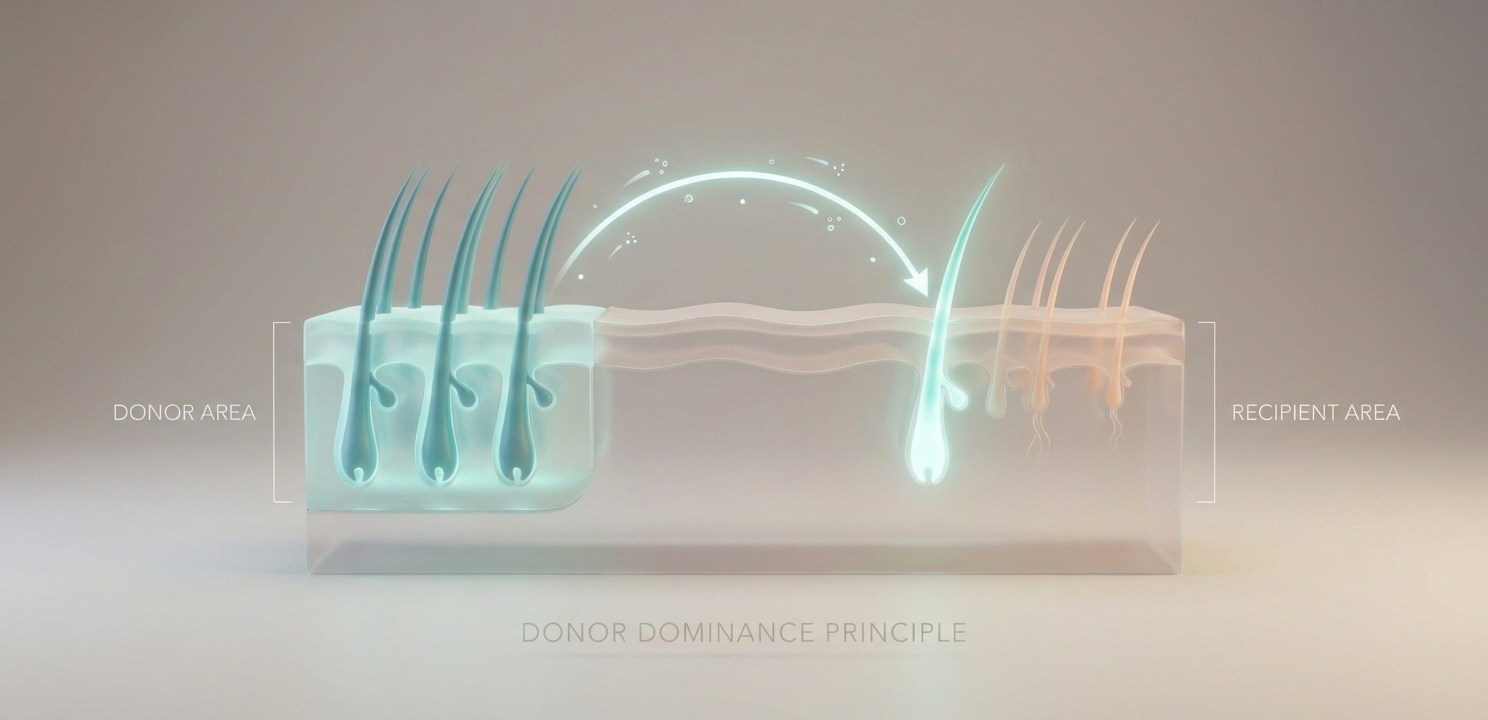
Is a Hair Transplant Permanent Long Term, a solution that many individuals facing hair loss consider with hope and apprehension. The primary concern for anyone investing their time, money, and emotions into this procedure is its longevity. The straightforward answer is yes; a modern hair transplant is designed to be a permanent solution. The transplanted hair follicles, once they have successfully integrated into the recipient area, will continue to grow hair for a lifetime. This permanence is not a matter of chance but is rooted in the scientific principle of “donor dominance,” a concept that underpins the entire field of hair restoration surgery.
Understanding the Science Behind Hair Transplant Permanence
To fully grasp why a hair transplant offers lasting results, it’s essential to understand the biological mechanism at play. The most common cause of hair loss, androgenetic alopecia (male or female pattern baldness), does not affect all scalp hair equally. Hair follicles located on the back and sides of the head are genetically resistant to the effects of Dihydrotestosterone (DHT), the hormone primarily responsible for shrinking follicles and causing hair loss in susceptible areas like the crown and hairline.
The Principle of Donor Dominance
The concept of donor dominance is the cornerstone of successful hair transplantation. This principle states that hair follicles, when moved from one part of the body to another, will retain their original genetic characteristics. In the context of a hair transplant, follicles are harvested from the DHT-resistant donor area (typically the back of the scalp). When these follicles are implanted into the balding or thinning areas (the recipient sites), they do not suddenly become susceptible to DHT. They maintain their genetic programming for resilience and continue to grow hair as they would have in their original location. This biological fact is what makes the procedure a permanent fix for the transplanted hairs themselves. The procedure does not create new hair; it strategically relocates healthy, permanent hair to areas where it is needed most.
The Role of Follicular Units
Modern procedures like Follicular Unit Extraction (FUE) and Direct Hair Implantation (DHI) involve transplanting follicular units, which are natural groupings of one to four hairs. Surgeons carefully extract these units one by one, preserving their delicate structure. This meticulous approach ensures a high survival rate for the grafts and contributes to a natural-looking, permanent result. The health and integrity of these extracted follicles are paramount for long-term success.
Is a Hair Transplant Permanent? Factors Influencing Longevity
While the transplanted follicles themselves are permanent, the overall long-term aesthetic success of the procedure can be influenced by several critical factors. The skill of the surgical team, the patient’s biological characteristics, and diligent post-operative care all play significant roles in achieving a result that looks excellent for decades.
Surgical Technique and Expertise
The experience and artistry of the surgeon are arguably the most important factors. A skilled surgeon ensures the highest possible graft survival rate through precise extraction and implantation techniques. Key considerations include:
- Proper Graft Handling: Follicles are living tissues that must be handled carefully and kept in a specific holding solution to remain viable outside the body.
- Correct Angle and Direction: Implanting the grafts at the correct angle and direction ensures the new hair grows in a pattern that mimics natural hair growth, creating an undetectable result.
- Appropriate Depth: Placing the grafts at the correct depth in the scalp is crucial for them to receive adequate blood supply and thrive.
- Density Planning: An experienced surgeon plans the distribution of grafts to create a look of fullness and density that will appear natural as the patient ages.
Patient’s Hair Characteristics and Future Hair Loss
A critical point to understand is that while the transplanted hair is permanent, the native, non-transplanted hair in the recipient area may still be susceptible to future thinning or loss. A reputable clinic will assess the patient’s pattern of hair loss and age to anticipate future changes. The surgeon designs the transplant to look natural not just for today, but for many years to come. Patients may be advised on supportive treatments like PRP or medication to help maintain their existing native hair, thus preserving the overall density and appearance of the final result over a lifetime.
Post-Operative Care and Healing
The patient’s role in the outcome is crucial, especially in the first few weeks following the procedure. Adhering strictly to post-operative care instructions ensures the delicate new grafts can anchor securely and establish a new blood supply. This includes proper washing techniques, avoiding strenuous activity, protecting the scalp from sun exposure, and refraining from smoking or alcohol consumption, which can impair healing. Proper aftercare directly impacts the final yield and the permanence of the result.
The Long-Term Hair Transplant Timeline
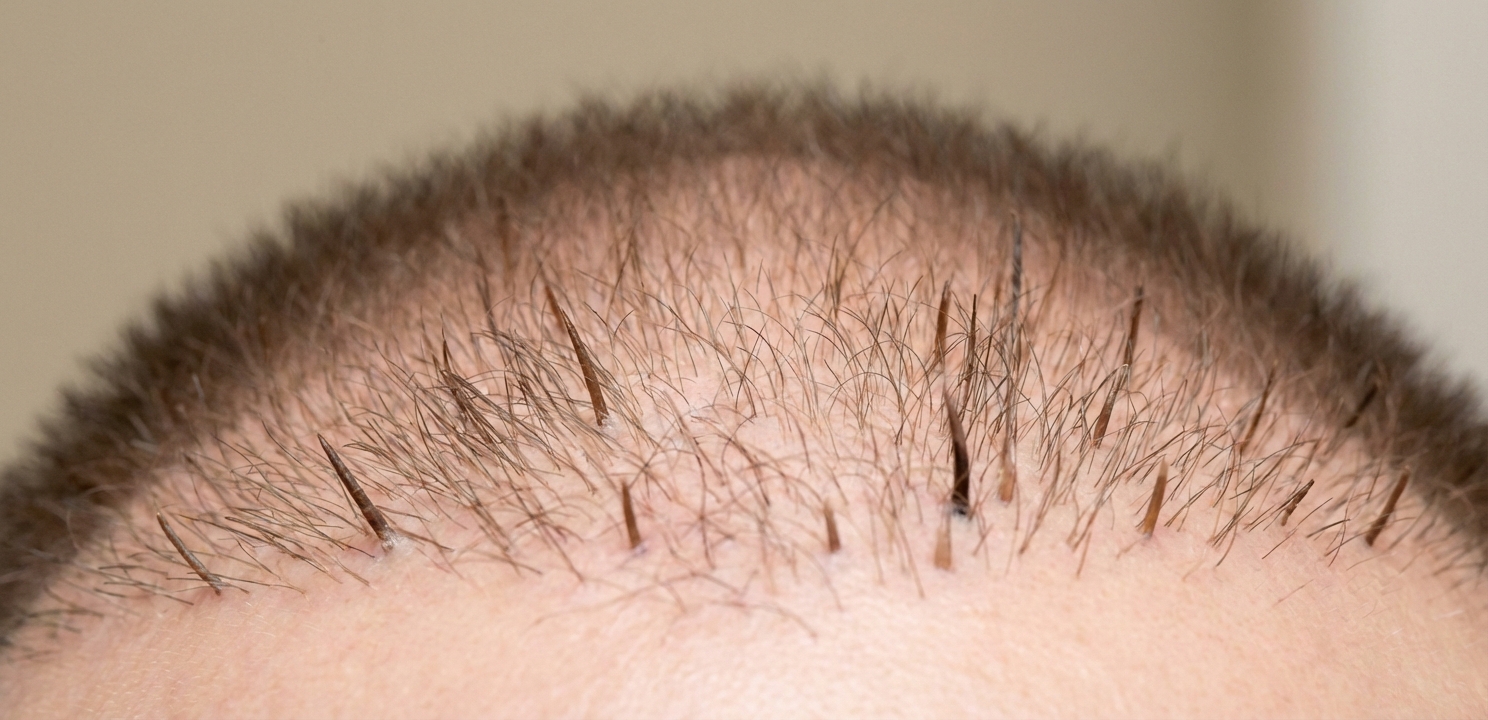
The journey to the final, permanent result of a hair transplant is a gradual process of healing and growth that unfolds over a year or more. Understanding this timeline helps patients set realistic expectations and navigate the recovery period with confidence. The growth cycle is a testament to the biological process of the transplanted follicles settling into their new home.
| Timeline | Key Developments and What to Expect |
|---|---|
| Day 1 – 7 | The initial healing phase. Scabs will form around the implanted grafts. The scalp will be sensitive, and there may be some redness and swelling. Strict adherence to aftercare protocols is vital. |
| Week 2 – 4 | The “shock loss” phase typically begins. This is a normal and expected part of the process where the hair shafts from the transplanted follicles fall out. The follicles themselves remain dormant and secure beneath the skin. |
| Month 1 – 3 | This is often called the “ugly duckling” stage. The scalp is healed, but new growth is not yet visible. Some fine, new hairs may begin to sprout, but patience is required during this period. |
| Month 4 – 6 | Noticeable growth begins. The new hairs are initially fine and thin but will progressively become thicker and longer. This marks a significant turning point where the results start to become apparent. |
| Month 6 – 9 | A major cosmetic improvement is visible. The hair continues to grow and thicken, providing more density and coverage. The rate of growth and maturation increases significantly during this period. |
| Month 12 – 18 | The final result is achieved. By this stage, approximately 85-95% of the transplanted follicles will be actively growing hair. The hair has reached its full thickness, texture, and length, showcasing the permanent outcome of the procedure. |
FUE and DHI: Methods for Achieving Permanent Results
The two leading techniques in modern hair transplantation are Follicular Unit Extraction (FUE) and Direct Hair Implantation (DHI). Both methods are capable of producing excellent, permanent results because they both rely on the same fundamental principle of donor dominance.
Follicular Unit Extraction (FUE)
In the FUE technique, individual follicular units are extracted from the donor area using a micro-punch tool. The surgeon then creates tiny incisions (channels) in the recipient area before manually placing the extracted grafts into these channels. Its effectiveness is well-documented in numerous medical studies, highlighting the long-term viability of the grafts. According to a study published in the National Center for Biotechnology Information (NCBI), the survival rates of follicular units transplanted via FUE are consistently high, contributing directly to the permanent nature of the results.
Direct Hair Implantation (DHI)
DHI is considered a more advanced form of FUE. With DHI, follicular units are extracted in the same manner but are then implanted directly into the recipient area using a specialized tool called a Choi Implanter Pen. This pen creates the incision and implants the graft in a single motion, which can reduce the time the follicles spend outside the body and may offer greater control over the depth, angle, and direction of placement.
Ultimately, the choice between FUE and DHI depends on the patient’s specific needs and the surgeon’s recommendation. However, the permanence of the result is inherent to the transplanted follicles, not the specific tool used to implant them. The quality of execution in either technique is what guarantees a successful and lasting outcome. The transplanted hair will grow, can be cut, styled, and treated just like the rest of your natural hair, standing as a lasting testament to the effectiveness of the procedure.