




How Long Does a Hair Transplant Take is one of the most common and practical questions for anyone considering this life-changing procedure. The answer, however, is not a single number but a timeline that spans from the moment you walk into the clinic to the day you see your final, full results. Understanding this entire duration is crucial for setting realistic expectations and planning accordingly. While the surgical procedure itself is completed within a single day, the full journey of a hair transplant involves several distinct phases, each with its own timeframe. The total time investment is a combination of the pre-operative preparations, the surgery day itself, and the all-important post-operative recovery and hair growth cycle. This guide will break down each component in detail, providing a comprehensive overview of what to expect.
The Procedure Day: A Step-by-Step Timeline
The day of the hair transplant surgery is the most intensive part of the process. While the exact duration can vary, most procedures at a reputable clinic like Natural Hair Turkey follow a well-structured schedule. The total time spent in the clinic typically ranges from 6 to 9 hours, depending on the complexity of the case and the number of grafts being transplanted. This day is meticulously planned to ensure patient comfort and the highest possible viability for the hair grafts.
Pre-Operative Consultation and Preparation
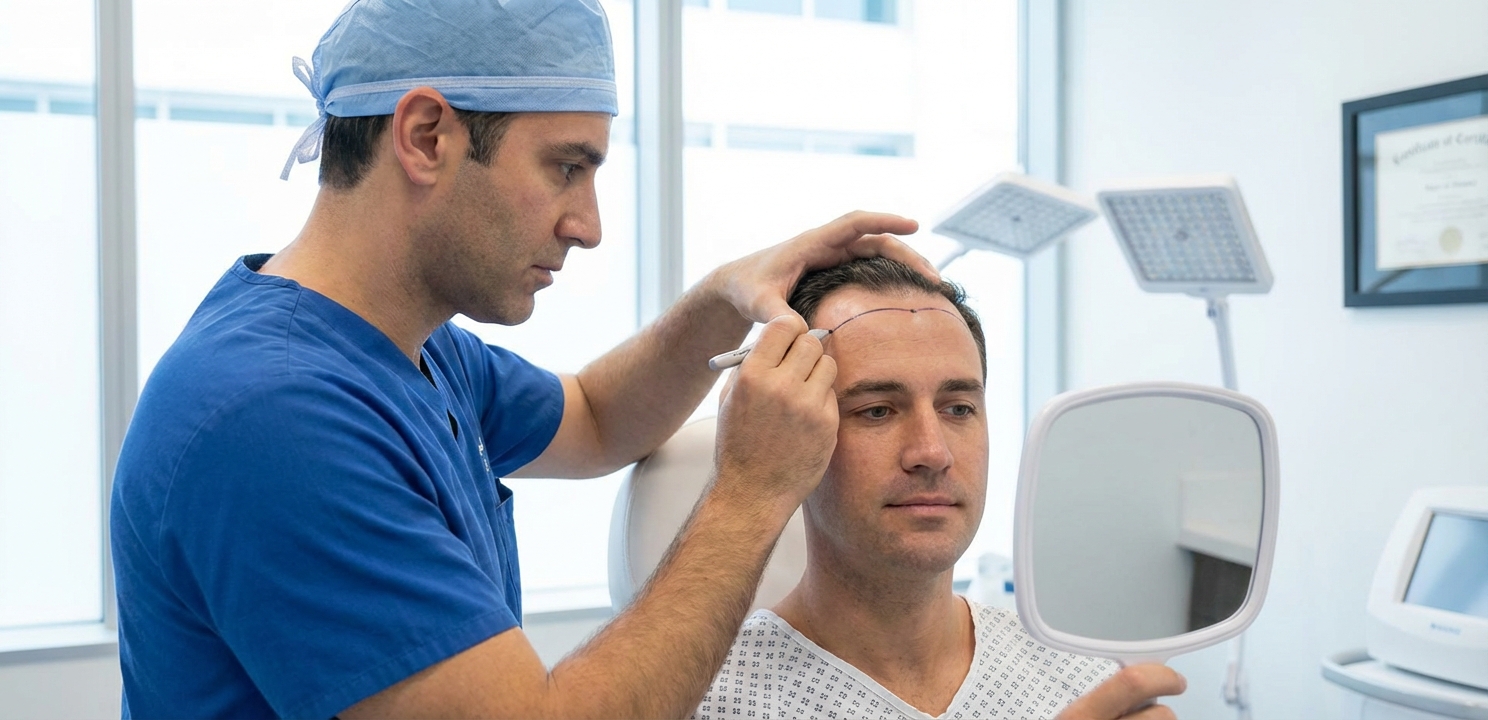
The day begins not with surgery, but with crucial preparatory steps. This initial phase usually lasts between 1 to 2 hours. It involves a final consultation with the surgical team to review the plan and confirm the desired hairline. The surgeon will use a special marker to draw the proposed hairline, ensuring it is symmetrical and suits your facial features. This is a collaborative process where your input is vital. Once the hairline is agreed upon, professional photographs are taken for your medical records to track progress. Following this, the donor area, typically the back of the head, is shaved to allow for precise extraction of the hair follicles. Finally, local anesthesia is administered to both the donor and recipient areas to ensure a completely painless experience throughout the surgery.
Graft Extraction Phase
This is often the longest single part of the procedure, lasting anywhere from 2 to 4 hours. The duration is almost directly proportional to the number of grafts required. During this stage, the surgical team meticulously extracts individual hair follicles from the donor area using a specialized micromotor device. This technique, known as Follicular Unit Extraction (FUE), is minimally invasive and avoids the linear scarring associated with older methods. Each follicular unit, containing 1 to 4 hairs, is carefully removed one by one. The skill and experience of the team are paramount here to minimize trauma to the follicles and the surrounding scalp tissue, which is critical for their survival and subsequent growth.
Break and Graft Preservation
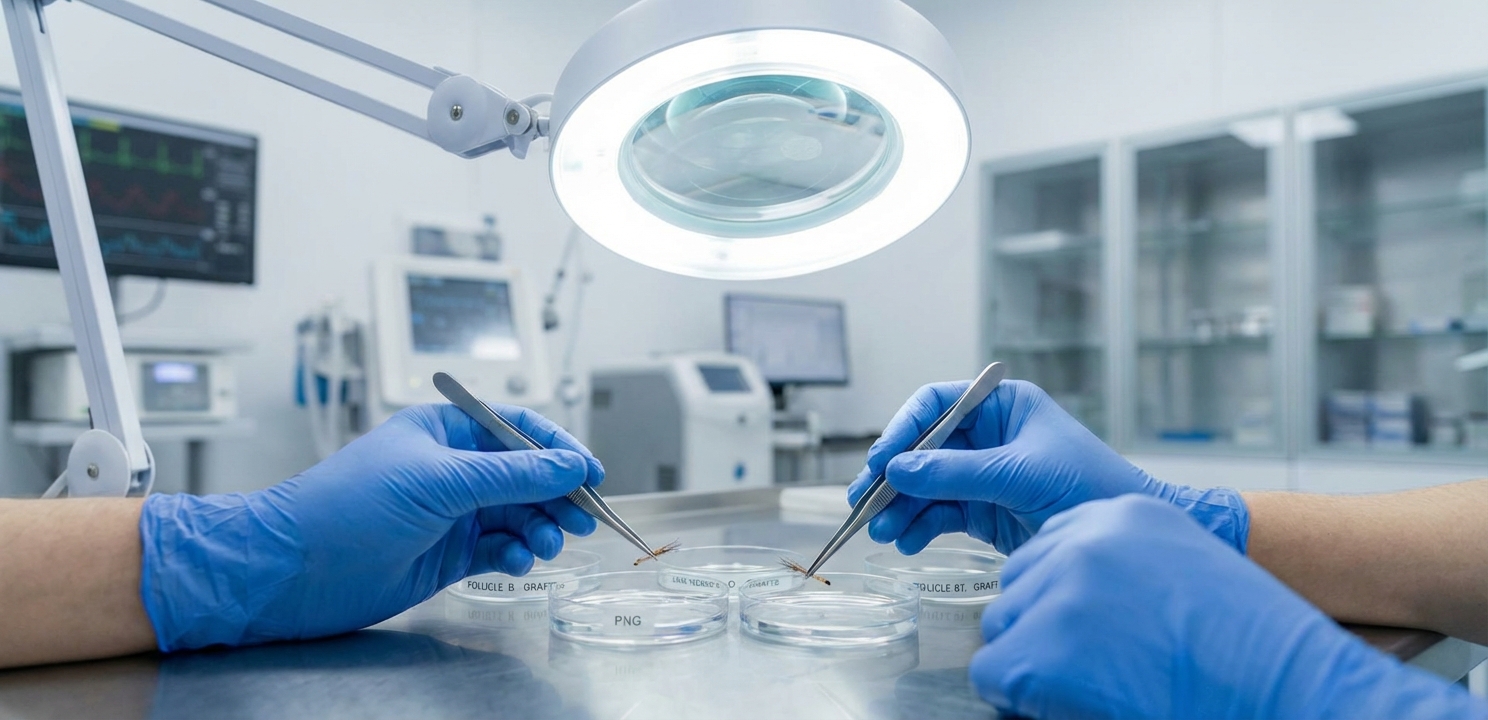
After the extraction phase is complete, there is typically a short break of about 30 to 60 minutes. This allows you to rest, have a light meal, and use the restroom. While you are resting, the surgical team is not. They are busy meticulously sorting and preserving the harvested grafts. The follicles are placed in a special sterile, nutrient-rich, and temperature-controlled solution. This step is essential to keep the grafts hydrated and healthy while they are outside the body, maximizing their viability before implantation. Grafts are often categorized based on the number of hairs they contain (1s, 2s, 3s, etc.) to be used strategically during implantation for a natural-looking result.
Implantation Phase
The final surgical stage is the implantation of the harvested follicles into the recipient area. This phase typically takes 2 to 4 hours. The surgeon first creates tiny incisions, or channels, in the balding areas of the scalp. In the Sapphire FUE method, these channels are made with blades crafted from real sapphire, which allows for finer, more precise incisions that can lead to denser packing and faster healing. The angle, depth, and direction of these channels are critical for achieving a natural-looking hairline and growth pattern. The team then carefully places each graft into these channels one by one. This is a highly artistic and technical process that demands immense precision and concentration to ensure the final result is aesthetically pleasing and dense.
Factors That Influence the Duration
While the 6 to 9-hour range is a good general estimate for the surgery day, several key variables can affect the precise timing of your procedure. Understanding these factors will help you better appreciate why one person’s surgery might be longer or shorter than another’s.
The Number of Grafts Required
This is the single most significant factor determining the length of the surgery. A smaller procedure of 1,500-2,000 grafts for a receding hairline will be considerably faster than a large-scale session of 4,000-5,000 grafts to cover significant balding on the crown and mid-scalp. Each graft must be individually extracted and implanted, so more grafts directly translate to more time for both the extraction and implantation phases.
The Chosen Technique
The specific hair transplant method used can also influence the timeline. The most common methods are Sapphire FUE and Direct Hair Implantation (DHI). While both are highly effective, their workflows differ slightly. In DHI, extraction and implantation can occur more concurrently, as grafts are loaded into a special Choi implanter pen and inserted directly into the scalp without pre-made channels. This can sometimes make the process feel more continuous, but the overall time for a given number of grafts is often comparable to Sapphire FUE. The expertise of the team with a particular technique is more important than the technique itself in determining efficiency.
Clinic and Surgeon’s Experience
The efficiency and synergy of the surgical team play a vital role. An experienced, well-coordinated team works like a well-oiled machine. The lead surgeon and technicians who have performed thousands of procedures together can complete each step with greater speed and precision without compromising quality. This experience not only affects the duration but also significantly impacts the final outcome and the survival rate of the grafts. According to a study published by the National Center for Biotechnology Information, the skill of the surgeon is a critical factor in the success of FUE procedures.
The Complete Hair Transplant Timeline: From Day 1 to Final Results
The question “How long does a hair transplant take?” truly extends far beyond the single day of surgery. The full timeline encompasses the entire recovery and growth period, which can last for over a year. The table below provides a clear, structured overview of what to expect during this journey.
| Timeframe | Key Events and What to Expect |
|---|---|
| Day 1-3 | Surgery day and initial recovery. Mild swelling and redness are common. The donor and recipient areas will have tiny scabs. Rest is crucial. |
| Day 4-10 | Scabs begin to form and harden. The first hair wash is typically performed at the clinic. Swelling subsides. Itching can occur as the scalp heals. |
| Week 2-4 | Most scabs will have fallen off. The transplanted hairs may begin to shed, a normal phase known as “shock loss.” The donor area continues to heal. |
| Month 1-3 | Shock loss is usually complete by the end of this period. The scalp will look similar to how it did before surgery. Patience is key as the follicles enter a resting phase. |
| Month 3-5 | New hair growth begins. Initially, the hairs may be fine and thin, like baby hairs. This is the first sign of successful growth. |
| Month 6-9 | Significant growth and increased density become noticeable. The new hairs start to thicken and lengthen, and you can begin to style them. Coverage improves dramatically. |
| Month 10-12 | Around 80-90% of the final result is visible. The hair has more length and texture, blending in with your native hair. |
| Month 12-18 | The final result is achieved. The transplanted hair has fully matured in thickness, texture, and length, providing the final, desired density and appearance. |
This extended timeline highlights that a hair transplant is a process, not a one-day event. While the surgical work is completed in hours, the biological work of hair growth takes many months. For a more detailed breakdown of this period, you can review a complete hair transplant recovery timeline guide. Adhering to the post-operative care instructions provided by your clinic is essential to navigate this period successfully and ensure the best possible outcome. From proper washing techniques to avoiding strenuous activities and sun exposure, your actions during recovery directly impact the success of the procedure.