




Hair Transplant Success Rate Explained. When considering a hair transplant, the most crucial question for any potential patient revolves around the effectiveness of the procedure. Success is not just a simple percentage; it is a multi-faceted outcome encompassing graft survival, natural appearance, density, and overall patient satisfaction. A successful hair transplant seamlessly blends with existing hair, restores a youthful hairline, and provides a permanent solution to hair loss, ultimately boosting an individual’s confidence. Modern techniques have elevated the procedure from a mere possibility to a highly reliable and transformative solution.
The definition of a high success rate goes beyond the technical survival of the transplanted hair follicles. While a graft survival rate of over 95% is the clinical benchmark, true success is measured by the aesthetic result. This includes the strategic placement of each graft to mimic natural hair growth patterns, the correct angle and direction of implantation, and the creation of a soft, irregular hairline that avoids a “plug-like” appearance. At a world-class clinic, the goal is to produce results so natural that they are undetectable to the naked eye. This commitment to artistry, combined with technical precision, is what truly defines a successful outcome in hair restoration.
Factors Influencing the Hair Transplant Success Rate
The final result of a hair restoration procedure is not determined by a single element but is the culmination of several critical factors working in harmony. From the expertise of the medical team to the specific characteristics of the patient, each component plays a pivotal role. Understanding these variables is key to setting realistic expectations and maximizing the chances of achieving an optimal outcome. A comprehensive approach that considers every detail is the foundation of a highly successful hair transplant.
The Crucial Role of the Surgeon and Clinic
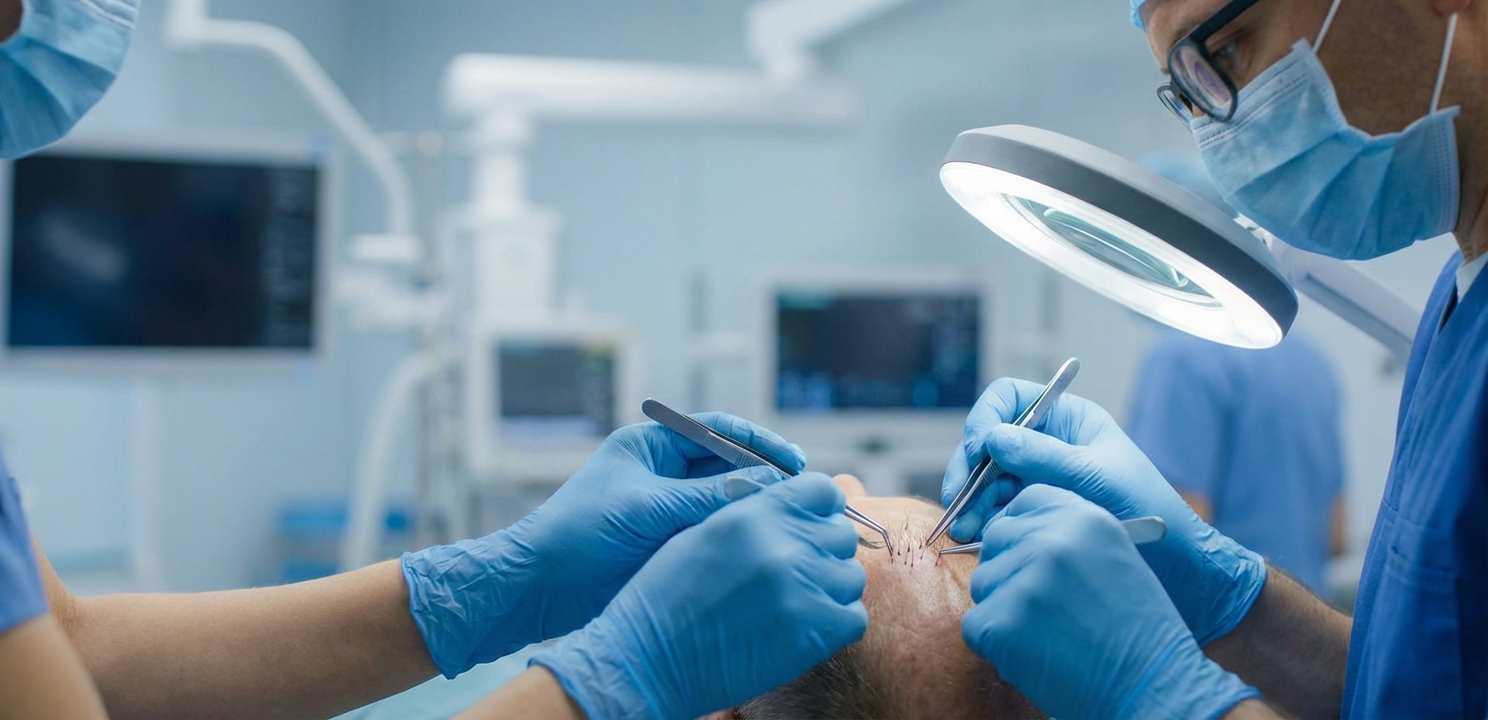
The single most significant factor in the success of a hair transplant is the skill, experience, and artistry of the surgeon and their medical team. An elite surgeon possesses a deep understanding of facial aesthetics and hair growth patterns, allowing them to design a hairline that complements the patient’s facial structure and age. The technical team’s proficiency in handling the delicate hair grafts during extraction and implantation is equally vital. Grafts are living tissues that must be handled with extreme care to ensure their viability. A clinic that invests in state-of-the-art technology, such as the Sapphire FUE method, further enhances precision by creating finer, cleaner incisions that promote better healing and denser packing. The entire clinical environment, from sterilization protocols to patient care, contributes to a safe procedure and a successful result.
Advanced Techniques: FUE and DHI
The evolution of hair transplant technology has dramatically increased success rates. The two leading methods today are Follicular Unit Extraction (FUE) and Direct Hair Implantation (DHI).
- Follicular Unit Extraction (FUE): This is the gold standard in hair restoration. It involves extracting individual follicular units (groups of 1-4 hairs) from the donor area, typically the back of the head, using a specialized micro-punch tool. These grafts are then meticulously implanted into incisions made in the recipient area. The Sapphire FUE technique uses blades made from sapphire, which are sharper and more precise than steel, allowing for smaller incisions, reduced tissue trauma, and faster healing.
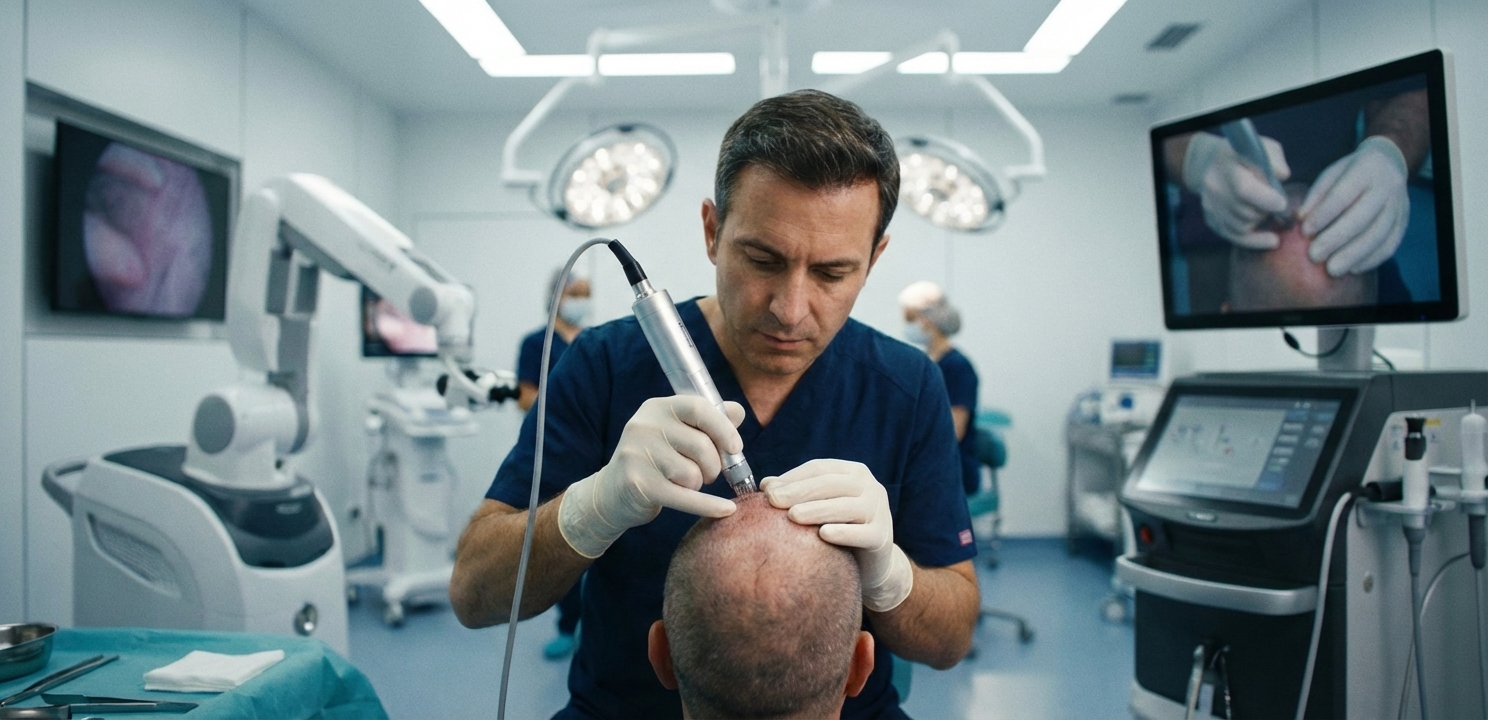
- Direct Hair Implantation (DHI): DHI is a variation of the FUE method where implantation is performed using a specialized tool called a Choi Implanter Pen. This device allows the surgeon to implant the extracted graft directly into the scalp without creating a pre-made incision. The Choi Pen provides precise control over the depth, angle, and direction of each implanted follicle, which can lead to excellent density and a very natural-looking result.
Both techniques, when performed by an expert team, yield exceptionally high success rates. The choice between them often depends on the patient’s specific pattern of hair loss, hair characteristics, and the desired density.
Patient-Specific Factors and Aftercare
The patient’s own physiology and commitment to post-operative care are indispensable for success. Key factors include the quality and density of the hair in the donor area; a robust donor area provides more high-quality grafts for transplantation. The patient’s general health, age, and the extent of their hair loss also play a role. Furthermore, the cause of the hair loss, such as Androgenetic Alopecia, is typically ideal for transplantation as the donor hair is genetically resistant to balding. Perhaps most importantly, diligent adherence to the clinic’s aftercare instructions is non-negotiable. Following guidelines on washing, sleeping, avoiding strenuous activity, and protecting the scalp from sun exposure ensures the delicate new grafts can anchor and thrive.
The Post-Operative Phase: A Detailed Timeline
The journey to a full head of hair does not end when you leave the clinic. The post-operative period is when the foundation for long-term success is solidified. Proper care and patience are essential as the transplanted follicles go through a natural, multi-stage growth cycle. Understanding this timeline helps manage expectations and ensures you are providing the best possible environment for your new hair to grow.
| Timeframe | Key Developments and What to Expect |
|---|---|
| Day 1 – 5 | The scalp will be tender with some redness and swelling. Tiny scabs will form around each implanted graft. It is critical to follow the prescribed washing protocol to keep the area clean and promote healing. Sleep with your head elevated to minimize swelling. |
| Week 1 – 2 | Scabs will begin to flake off naturally. The initial redness and swelling will have largely subsided. The transplanted hair shafts may start to shed, which is a normal part of the process. |
| Week 2 – 4 | This phase is known as “shock loss,” where most of the transplanted hairs will shed. This is an expected and temporary stage. The follicles underneath the skin are safe and are entering a resting phase before beginning a new growth cycle. |
| Month 2 – 4 | New hair growth begins. Initially, the hairs may be fine and thin, but they will gradually thicken over time. Some patchiness is normal as follicles will start their growth cycle at different times. |
| Month 6 – 9 | Significant growth and cosmetic improvement are visible. The hair will be longer and thicker, providing more scalp coverage. The growth rate will accelerate during this period, and you will start to see the real shape of your new hairline. |
| Month 12 – 18 | The final results are typically visible. The hair has reached its full length and thickness, and the final density and texture can be appreciated. The transplanted hair can be styled, cut, and treated just like your natural hair. |
Achieving Realistic and Lasting Outcomes
A successful hair transplant is a permanent solution to hair loss. The transplanted follicles, taken from the genetically resistant donor area, will continue to grow for a lifetime. However, achieving a result that is both permanent and aesthetically pleasing requires a deep understanding of graft science and patient expectations.
Graft Viability and Survival Rates
The cornerstone of a high success rate is the survival of the transplanted grafts. In the hands of a skilled team, the survival rate for follicular units is consistently above 95%. This high viability is achieved through careful, atraumatic extraction, storage in a special solution that preserves their health, and precise implantation with minimal handling. As documented in studies on follicular unit transplantation, meticulous technique is directly correlated with higher graft survival. For instance, a comprehensive review in the Journal of Cutaneous and Aesthetic Surgery highlights the effectiveness and high satisfaction rates associated with modern FUE procedures. This scientific backing confirms that when performed correctly, the procedure is overwhelmingly successful.
The Importance of a Personalized Consultation
Ultimately, the perception of success begins with the very first consultation. This is where a medical professional assesses your hair loss, evaluates your donor area, and discusses your aesthetic goals. This process allows the clinic to create a tailored surgical plan and, just as importantly, to set clear and realistic expectations. Viewing a portfolio of previous work, such as hair transplant before and after results, helps you visualize the potential outcome and understand what is achievable for your specific case. A successful journey is a partnership between a highly skilled clinic and a well-informed patient, working together to restore not just hair, but confidence that lasts a lifetime.