




Hair Transplant Recovery Timeline Guide. Deciding to undergo a hair transplant is a significant step towards restoring your confidence and hairline. While the procedure itself is crucial, what happens in the days, weeks, and months that follow is just as important for achieving the desired outcome. Understanding the recovery process in detail helps manage expectations, ensures proper aftercare, and ultimately contributes to the success of the transplant. This comprehensive guide breaks down the entire journey, from the first 24 hours to the full maturation of your new hair, providing a clear roadmap of what to expect.
The recovery from a modern hair transplant, particularly using advanced techniques like Follicular Unit Extraction (FUE), is remarkably smooth for most patients. However, it is a biological process that unfolds in distinct stages. Patience is key, as the scalp needs time to heal and the transplanted follicles require several months to enter their new growth cycle. Following your clinic’s post-operative instructions diligently is the single most important factor within your control to ensure optimal graft survival and a seamless healing experience. This timeline will walk you through each phase, highlighting key milestones and providing essential care tips.
The Immediate Post-Operative Period: The First Week
The first few days after your hair transplant are the most critical for the survival of the newly implanted grafts. During this time, the follicles are settling into their new location and beginning to establish a blood supply. Your primary focus should be on rest, gentle care, and preventing any trauma to the recipient area.
Day 1-3: Initial Healing and The First Wash
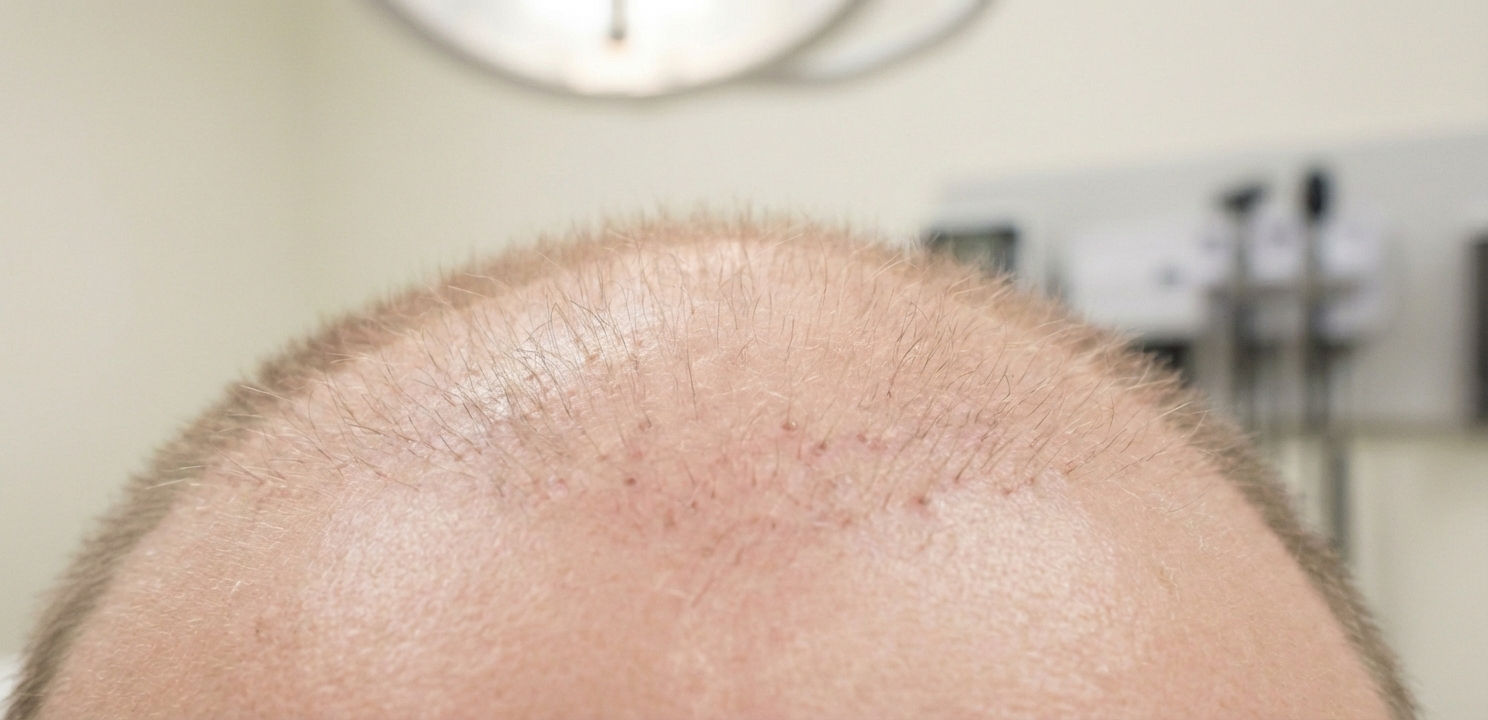
Immediately after the procedure, your scalp will be tender, and you will likely see some redness and minor swelling in both the donor and recipient areas. This is a normal inflammatory response and a sign that the healing process has begun. Most clinics will provide a headband to help minimize swelling from moving down to your forehead and eyes. You will be given specific instructions on how to sleep—typically in a semi-upright position, using a neck pillow to avoid putting pressure on the recipient area.
The first wash is a crucial step that is often performed at the clinic 24 to 48 hours after the surgery. The medical team will use a special foam and shampoo to gently clean the scalp, removing any dried blood and preventing the formation of thick crusts. They will demonstrate the precise technique, which involves gentle patting rather than rubbing, so you can continue the process at home for the following days. Pain is usually minimal and can be easily managed with the prescribed medication.
Day 4-7: Scabbing and Itching
As the tiny incisions heal, small scabs or crusts will form around each transplanted graft. This is a completely normal and necessary part of the healing process, as these scabs protect the follicles underneath. It is absolutely vital that you do not pick or scratch at these scabs, as doing so could dislodge the delicate grafts.
During this week, itching is a very common symptom in both the donor and recipient areas. This is a positive sign that the tissue is healing. To manage the itch, you can use a saline spray provided by your clinic or gently apply the prescribed foam. The daily washing routine will also help soften the scabs and alleviate itching. By the end of the first week, most of the initial redness and swelling should have significantly subsided, and the scabs will be firmly in place.
The First Month: Navigating Shock Loss
The weeks following the initial healing phase are characterized by a phenomenon known as “shock loss.” While it can be alarming to see hair fall out after a transplant, it’s a perfectly normal and expected part of the recovery timeline. This phase tests a patient’s patience, but it’s important to remember that it’s a temporary step on the path to new growth.
Weeks 2-4: Shedding of Transplanted Hairs
Between the second and fourth week, you will likely notice that the short hairs within the transplanted grafts begin to shed. This is called effluvium, or shock loss. The trauma of the transplantation procedure causes the follicles to enter a resting (telogen) phase, leading them to shed the hair shaft. This does not mean the transplant has failed. The follicle itself remains safely embedded in the scalp, ready to begin a new growth cycle in the coming months. The donor area will also be healing well, with the tiny extraction points becoming virtually unnoticeable as the surrounding hair grows. During this period, you can typically resume light exercise, but it’s crucial to avoid strenuous activities and direct sun exposure on the scalp.
A Detailed Month-by-Month Hair Transplant Recovery Timeline
Understanding the full scope of the recovery process is best achieved by looking at the entire year following the procedure. The journey from a post-operative scalp to a full head of hair is a gradual transformation. The table below provides a clear, stage-by-stage overview of what to expect.
| Timeframe | Recipient Area Appearance & Sensation | Donor Area Status | Key Milestones & Hair Growth |
|---|---|---|---|
| Week 1 (Days 1-7) | Redness, mild swelling, tenderness. Scabs form around each graft. Itching is common. | Slight tenderness and redness. Small extraction points are visible but healing. | Grafts are securing. First wash performed. Strict adherence to sleeping position and washing protocol is critical. |
| Weeks 2-4 | Scabs will begin to fall off naturally with gentle washing. Redness fades. Shock loss begins. | Healing is well underway. Redness disappears. Hair growth begins to cover extraction points. | Shock loss (shedding of transplanted hairs) occurs. This is normal. You can typically return to most daily activities. |
| Months 1-3 | Scalp appears largely healed. Some pinkness may remain. Shock loss is complete. Area may look similar to pre-op. | Fully healed. Hair growth conceals any signs of the procedure. | The “dormant” phase. Follicles are resting before starting the new growth cycle. Patience is essential. |
| Months 3-5 | First signs of new growth appear. Hairs may be very fine, thin, and sparse, like baby hairs. Some pimples may appear as hairs break through. | Completely normal appearance. | New hairs begin to sprout. The growth is not uniform initially. This is the start of visible results. |
| Months 6-9 | Significant new growth. Hairs become longer and thicker, adding noticeable density and coverage. | Undistinguishable from the rest of the scalp. | A major “growth spurt” phase. The cosmetic improvement becomes very apparent. You can style your hair more freely. |
| Months 10-12+ | Hair continues to thicken and mature in texture, blending perfectly with native hair. Full density is achieved. | Completely healed and normal. | The final result is visible. The hair has reached its full thickness and length, completing the transformation. |
The Growth Phase and Final Results
The period from the third month onwards is the most exciting for patients, as it marks the beginning of visible hair growth. This is when your patience and diligent aftercare start to pay off.
Months 3-5: The First Signs of New Growth
Around the third month, you will begin to see the first signs of new life in the recipient area. The new hairs will emerge as very fine, thin, and almost translucent sprouts. They may not all grow at the same rate, leading to a slightly uneven appearance at first. It’s also common to experience some pimples or folliculitis as the new hairs push through the skin. This is normal and can be managed with proper hygiene, but you should consult your clinic if it becomes excessive.
Months 6-9: A Significant Transformation
This is the period where the most dramatic changes occur. The new hairs will start to grow longer and, more importantly, increase in diameter. This thickening process is what creates the appearance of density. By the eighth or ninth month, you should have a very good idea of the final outcome. The coverage will be substantial, and you can begin to style your new hair. The change in your appearance and hairline will be significant, providing a major boost in confidence.
Months 10-18: Maturation and Final Density
While most of the growth is visible by the 9-month mark, the process of maturation continues for up to 18 months. During this final phase, the hair shafts will continue to thicken to their full, natural diameter. The texture will improve, blending seamlessly with your existing native hair. The full, final density and texture are typically established by the 12-month mark, but subtle improvements can continue for several months after. The success of this long-term growth is heavily dependent on the surgeon’s skill in handling the grafts and the patient’s adherence to post-operative care, factors which are critical for follicular unit survival. Research published by the National Center for Biotechnology Information highlights the importance of atraumatic graft handling and proper post-operative protocols in achieving high survival rates for transplanted follicles. At the end of this journey, you are left with a natural, permanent, and life-changing result.