




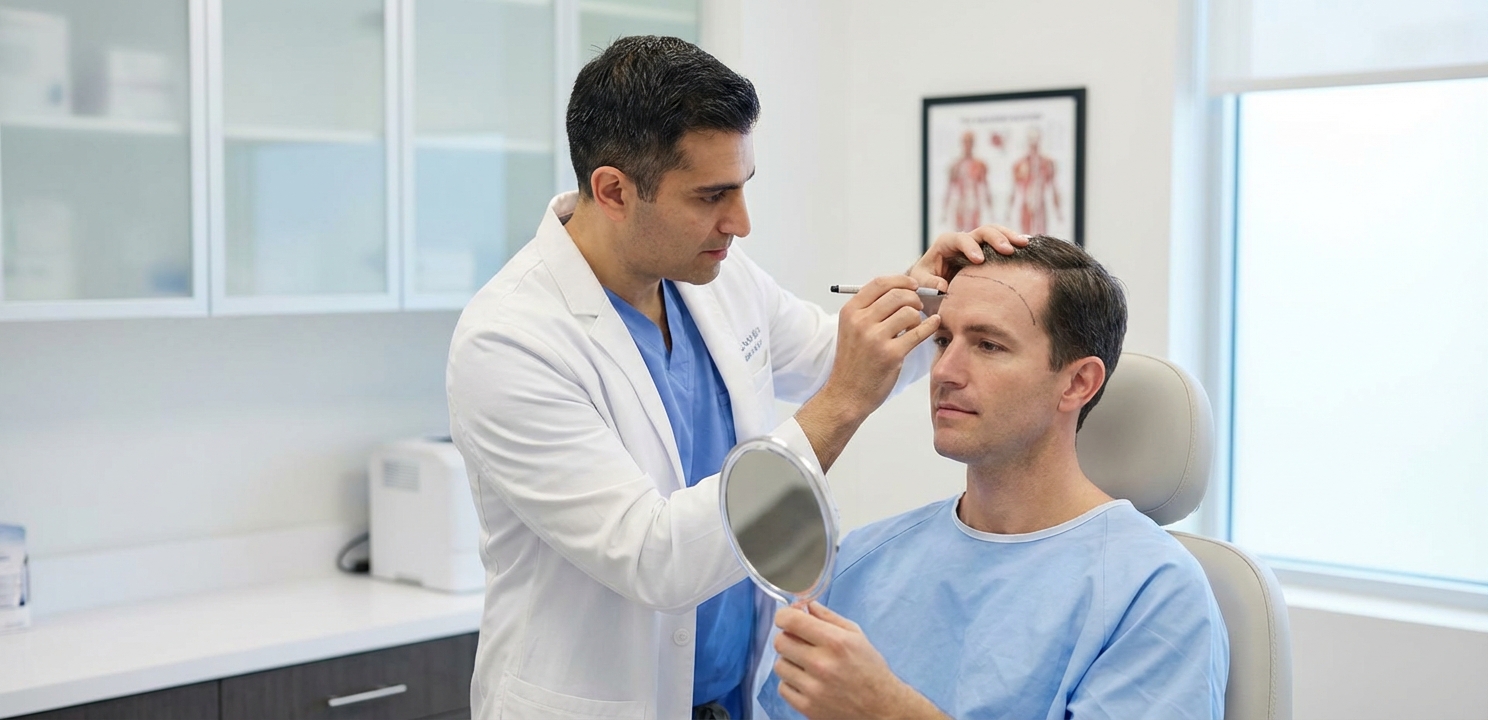
Hair Transplant Before and After Results are a powerful testament to the life-changing potential of modern hair restoration. This procedure is more than just a medical treatment; it’s a journey of transformation that restores not only a hairline but also confidence and self-esteem. For anyone considering this path, understanding the complete timeline—from the initial consultation to the final, mature growth—is essential for setting realistic expectations and appreciating the remarkable process of hair regeneration. The visual evidence seen in before and after galleries is compelling, but the story behind those images involves patience, expert care, and a deep understanding of hair biology.
The Initial Stage: Consultation and Planning
The journey to a successful hair transplant begins long before the day of the procedure. The “before” stage is not just about the state of hair loss; it’s about meticulous planning and preparation. During the initial consultation at a reputable clinic like Natural Hair Turkey, a specialist conducts a thorough evaluation of your hair loss pattern, scalp condition, and, most importantly, the donor area. The donor area, typically located at the back and sides of the head, contains hair follicles that are genetically resistant to the hormone DHT, which is responsible for male pattern baldness. The density and quality of this area are the most critical factors in determining the potential success and coverage of the transplant.
This planning phase involves several key steps. First, the surgeon will use the Norwood Scale to classify the extent of your hair loss. This provides a clinical baseline for the procedure. Next, a personalized treatment plan is created. This includes determining the optimal number of grafts required to achieve the desired density and coverage. Perhaps most crucial is the design of the new hairline. A skilled surgeon designs a hairline that is not only age-appropriate but also complements your facial features, ensuring a natural and undetectable result. This artistic component is what separates a standard procedure from a truly transformative one. Realistic expectations are established during this phase, ensuring you understand what can be achieved based on your unique characteristics.
Understanding the Procedure’s Impact on Immediate Results
The day of the hair transplant marks the beginning of the “after” phase, though the initial appearance is far from the final result. The techniques used, primarily Follicular Unit Extraction (FUE) and its advanced variations like Sapphire FUE and Direct Hair Implantation (DHI), are minimally invasive but still involve creating thousands of micro-incisions. Immediately following the procedure, the scalp will appear red and slightly swollen. The newly implanted grafts will be visible as tiny, short hairs within small scabs that form in the recipient area. The donor area will also have tiny red dots where the follicles were extracted.
This immediate post-operative look is a normal and expected part of the healing process. The redness and swelling typically subside within a few days to a week. The small scabs in the recipient area are crucial for protecting the newly placed grafts. They will naturally fall off within 7 to 14 days, often taking the short, implanted hair shafts with them. It is vital for patients to follow all post-operative care instructions meticulously during this period to ensure the grafts anchor securely and the healing process proceeds without complications. This initial stage, while temporary, is the foundation upon which the future hair growth will be built.

The Crucial Post-Operative Timeline: A Month-by-Month Guide
Patience is the most important virtue for any hair transplant patient. The journey from the immediate post-operative state to the final, dense result unfolds over several months. Each stage has distinct characteristics, and understanding this timeline helps manage expectations and avoid unnecessary anxiety. The process is gradual, with significant changes occurring month by month.
The First Week: Healing and Care
The first 7-10 days are dedicated to healing. The primary focus is on keeping the scalp clean and protected. Specialized washing routines are introduced a few days after the procedure to help remove scabs and prevent infection. During this time, it is normal for the scalp to feel tender, and some minor swelling may persist. Following the clinic’s instructions on sleeping positions and avoiding strenuous activity is critical for graft survival.
The “Shock Loss” Phase (Weeks 2-8)
One of the most psychologically challenging phases for patients is “shock loss.” Typically occurring between the second and eighth week, the short hair shafts from the transplanted follicles will shed. This is a completely normal and expected part of the hair growth cycle. The follicle itself remains safely embedded under the skin, entering a resting (telogen) phase before it begins to produce a new, stronger hair shaft. Some native hair in the surrounding area may also temporarily shed due to the stress of the procedure. It is essential to remember that this shedding is temporary and signals the beginning of a new growth cycle.
The First Signs of Growth (Months 3-4)
Around the third month, the first signs of new growth begin to appear. Initially, the new hairs may be very fine, thin, and sparse, sometimes resembling pimples as they push through the skin. This is the moment patients have been waiting for, confirming that the transplanted follicles have taken root and are active. While the overall appearance is still far from the final result, this early growth provides a significant psychological boost and reassurance that the procedure was successful.
Building Density and Thickness (Months 5-9)
From the fifth month onwards, the hair growth becomes much more significant. The new hairs grow longer and begin to thicken, contributing to an increase in overall density. The rate of growth accelerates during this period, and you will notice a substantial cosmetic improvement. By the eighth or ninth month, you can typically see about 70-80% of the final result. The hair is long enough to be styled, and the transplanted areas blend more seamlessly with the native hair, making the transformation much more apparent.
| Timeline | Key Developments and Appearance |
|---|---|
| Day 1 – 7 | Initial healing. Redness, slight swelling, and formation of scabs in the recipient area. Grafts are very fragile. |
| Week 2 – 8 | Scabs fall off. “Shock loss” occurs, where transplanted hair shafts shed. This is a normal and temporary phase. |
| Month 3 – 4 | First new hairs begin to sprout. They are initially fine, thin, and may grow unevenly. |
| Month 5 – 6 | Significant growth begins. Hair becomes longer and thicker, and density starts to improve noticeably. |
| Month 7 – 9 | Growth continues to accelerate. About 70-80% of the final result is visible. Hair is long enough to style. |
| Month 12 – 18 | Final result is achieved. Hair has reached its full length, thickness, and density. The texture of the hair has fully matured. |
Achieving the Final Look: Hair Transplant Before and After
The true “after” result of a hair transplant is typically evaluated at the 12-month mark, although improvements can continue for up to 18 months. By this time, the transplanted hairs have fully matured. They have grown to their full length, achieved their final thickness, and settled into their natural texture. The new hairline frames the face naturally, and the density in the previously thinning areas provides excellent coverage. The result is a permanent solution to hair loss, as the transplanted follicles retain their genetic resistance to balding.
One Year and Beyond: Maturity of Results
At 12 to 18 months, the transformation is complete. The hair can be cut, styled, and treated just like your native hair because it is your natural hair, simply relocated to a new area. The final appearance is a seamless, dense, and natural-looking head of hair that significantly enhances one’s appearance and confidence. The donor area is fully healed, and with modern FUE techniques, any scarring is typically undetectable, even with short hairstyles. This long-term outcome is the ultimate goal of the procedure.
Factors That Influence Your Final Outcome
Several factors contribute to the quality of the final result. The skill and experience of the surgeon and the medical team are paramount. Their ability to extract grafts without damage, create natural-looking hairlines, and implant follicles at the correct angle and density is crucial. The quality of the patient’s donor hair also plays a significant role. Furthermore, strict adherence to post-operative care instructions is non-negotiable for ensuring optimal graft survival and growth. The quality of the clinic and the surgeon’s expertise are paramount, and you can see a gallery of successful outcomes that demonstrate these principles in our hair transplant results.
Why Realistic Expectations are Key to Satisfaction
Understanding the complete journey is vital for patient satisfaction. A hair transplant is not an overnight miracle; it is a biological process that requires time and patience. The “after” photos seen online represent the culmination of a year-long process of healing and growth. It’s important for patients to have a clear understanding of each phase, especially the temporary “shock loss” period, to avoid disappointment or worry. The goal is to achieve a significant cosmetic improvement that looks natural and restores a more youthful appearance. The stages of hair growth post-transplant follow a well-documented biological process. Scientific literature confirms that significant growth is typically observed starting from the third or fourth month, with final results maturing over a year. A comprehensive review of Follicular Unit Extraction outlines these chronological changes and the high patient satisfaction rates associated with the procedure. By choosing a reputable clinic that prioritizes patient education and transparent communication, you can embark on this transformative journey with confidence, fully prepared for the incredible results that await.