




Hair Transplant Cost in the USA 2026 Guide. For individuals experiencing hair loss, a hair transplant procedure represents a powerful, permanent solution to restore a natural-looking hairline and regain confidence. However, one of the most significant considerations for patients in the United States is the substantial financial investment required. The cost of a hair transplant in the USA is among the highest in the world, influenced by a complex web of factors ranging from the surgeon’s reputation to the clinic’s zip code. This comprehensive guide will dissect the pricing structures, explore the variables that dictate the final bill, and provide a clear understanding of what to expect when budgeting for this life-changing procedure within the American healthcare system.
Understanding the Key Factors That Determine Hair Transplant Cost in the USA
The final price tag for a hair restoration procedure in the United States is not a single, fixed number. It is a calculated sum based on several critical variables. Understanding these components is the first step for any prospective patient looking to manage their budget and expectations. The pricing is highly individualized, reflecting the unique needs of each person’s hair loss pattern and restoration goals.
The “Per Graft” Pricing Model
The most common pricing method used by clinics across the USA is the cost-per-graft model. A “graft” is a small piece of tissue containing one to four individual hair follicles. The surgeon harvests these grafts from a donor area, typically the back of the scalp where hair is genetically resistant to balding, and then implants them into the thinning or bald areas. The price per graft can vary dramatically, generally ranging from $5 to $12. This means that the total cost is directly proportional to the extent of the patient’s hair loss. A patient needing 1,500 grafts for a receding hairline will have a vastly different final cost than someone requiring 4,000 grafts to cover the crown and mid-scalp. This model makes it difficult to get a fixed price without a formal, in-person consultation.
Geographic Location of the Clinic
Real estate and labor costs have a direct impact on the price of medical procedures. A clinic located in a high-cost-of-living metropolitan area like New York City, Los Angeles, or Chicago will invariably have higher overhead expenses than a clinic in a smaller city or suburban area. These costs, including rent, staff salaries, and marketing, are passed on to the patient. It is not uncommon to see a 20-30% price difference for the exact same procedure between a major coastal city and a clinic in the Midwest, even with surgeons of comparable skill.
Surgeon’s Experience and Reputation
The skill and artistry of the surgeon are paramount to a successful hair transplant. Highly experienced surgeons with a portfolio of excellent, natural-looking results, celebrity clientele, or specializations in complex repair cases often command premium fees. While a higher price doesn’t always guarantee a better result, a surgeon’s reputation is a significant factor in the cost structure. This premium pays for years of refined technique, a deep understanding of follicular aesthetics, and the assurance of being in the hands of a leading expert in the field.
The Chosen Hair Transplant Technique
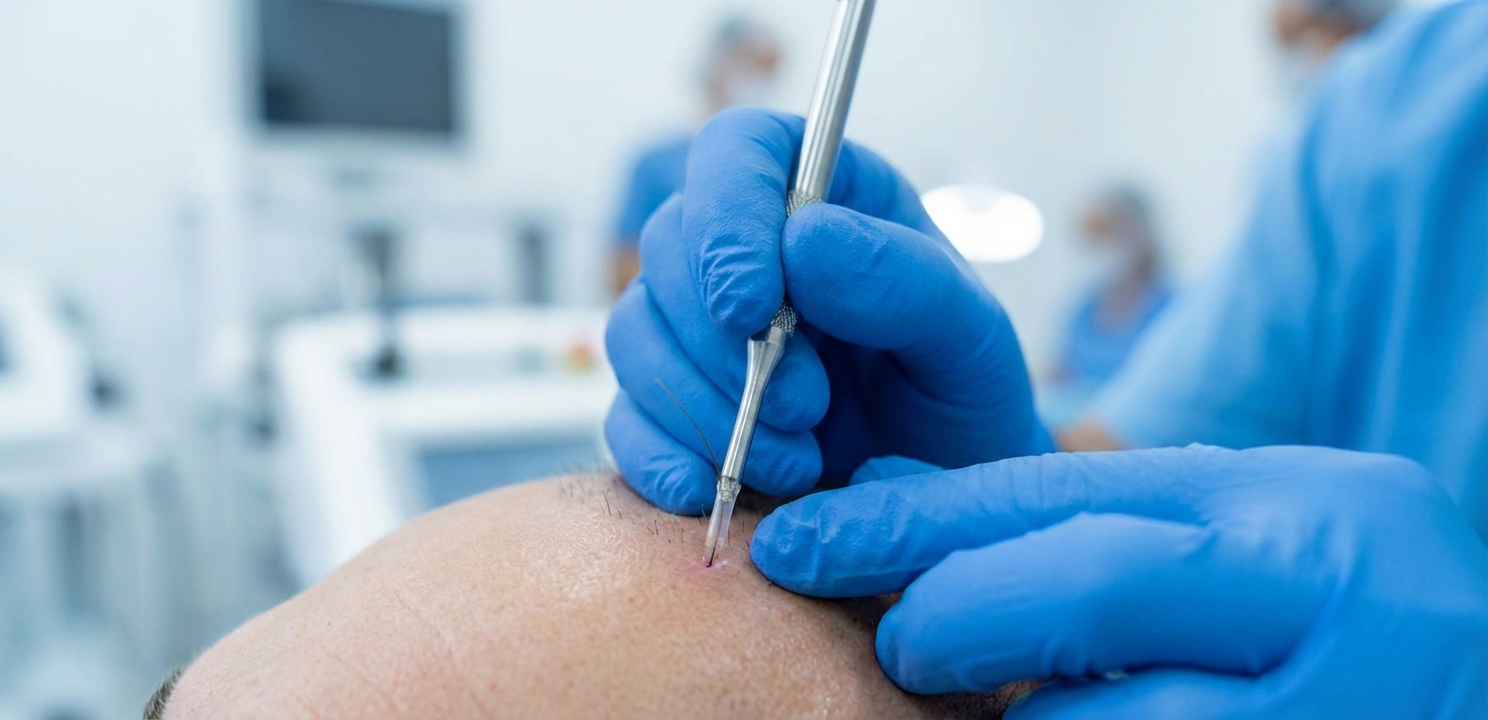
The two leading methods for hair transplantation today are Follicular Unit Extraction (FUE) and Direct Hair Implantation (DHI). Both fall under the broader FUE category as they involve extracting individual follicular units. In a standard FUE procedure, the surgeon extracts grafts and then creates incisions (channels) in the recipient area before manually placing the grafts into these channels. The DHI technique is a more advanced variation where the surgeon uses a specialized tool called a Choi Implanter Pen. This pen allows the surgeon to implant the extracted graft directly into the recipient area in one motion, without needing to create pre-made incisions. Because DHI offers precise control over the depth, angle, and direction of implantation and is more labor-intensive, it is often priced higher than traditional FUE methods.
A Detailed Breakdown of Procedure Costs
To provide a clearer picture of the potential expenses, it’s helpful to break down the costs based on the factors discussed. The à la carte nature of pricing in the USA means that the initial quote for the grafts may not be the final amount you pay. Patients must be vigilant about inquiring what is included in the quoted price. The following table illustrates the primary cost components and their typical impact on the final bill.
| Cost Factor | Description | Impact on Final Price |
|---|---|---|
| Number of Grafts | The total follicular units transplanted. A procedure can range from 1,000 grafts for minor hairline work to over 4,000 for extensive coverage. | High |
| Surgical Technique | The method used for extraction and implantation. DHI is generally more expensive than Sapphire FUE due to the specialized tools and time required. | Medium |
| Surgeon’s Fee | This is the core cost for the surgeon’s time, skill, and expertise. It is often the largest single component of the total price. | High |
| Clinic Location | Clinics in major metropolitan areas like Miami or San Francisco have higher operational costs, resulting in higher prices for patients. | Medium |
| Anesthesia & Facility Fees | These are separate charges for the use of the operating room, surgical supplies, and the administration of local anesthesia. | Medium |
| Pre-Operative Tests | Blood work and other required medical checks before the procedure, which may or may not be included in the package. | Low |
| Post-Operative Care Kit | Includes special shampoos, lotions, medications, and sometimes a travel pillow. This is often an additional cost in the USA. | Low |

The Global Alternative: A Look at Medical Tourism
The significant hair transplant procedures in Turkey have positioned the country as a global hub for hair restoration. Faced with potential costs of $20,000 to $50,000 or more in the USA, many patients are exploring international options. Turkey, in particular, has emerged as the premier destination, offering a combination of world-class medical standards, highly experienced surgeons, and unparalleled value. The primary reason for the vast price difference is not a compromise in quality but rather a result of economic factors. The lower cost of living, favorable currency exchange rates, and government support for the medical tourism sector allow clinics to offer all-inclusive packages at a fraction of the cost found in the US.
These packages often include not just the procedure itself (with the maximum number of grafts possible), but also luxury hotel accommodations, private airport and clinic transfers, a dedicated translator, and a full set of post-operative medications and care products. This transparent, all-in-one pricing model stands in stark contrast to the often-complex and itemized billing common in the United States, providing patients with peace of mind and a clear, upfront cost without fear of hidden fees.
Comparing Value: Cost Does Not Equal Quality
A common misconception is that a lower price must equate to a lower standard of care. In the context of Turkish hair transplant clinics, this is demonstrably false. The country’s top clinics operate in state-of-the-art, internationally accredited hospitals and utilize the most advanced technologies available, including Sapphire FUE and DHI. The technical process of Follicular unit extraction is a globally standardized procedure, and Turkish surgeons are among the most experienced in the world. Due to the high volume of international patients, a top surgeon in Istanbul may perform several procedures in a single day, accumulating more hands-on experience in a few years than many US-based surgeons might in a decade. This high level of specialization and daily practice leads to exceptional refinement in technique, resulting in dense, natural-looking outcomes. The value proposition is clear: patients receive access to elite-level care, advanced technology, and vastly more experienced surgical teams for a price that is often 70-80% less than what they would pay for a comparable procedure in the United States.