




Does a Hair Transplant Hurt Pain Explained. This is one of the most pressing questions potential patients have when considering a solution for hair loss. The thought of a surgical procedure on the scalp can understandably evoke concerns about pain and discomfort. However, the reality of modern hair transplantation is far more comfortable than most people imagine. Thanks to advanced techniques and effective pain management protocols, the procedure is designed to be a minimally uncomfortable experience, with any sensations of pain being brief and well-managed.
The short answer is that while you may feel some minor discomfort, a hair transplant should not be a painful ordeal. The most significant sensation is typically the administration of local anesthesia at the very beginning of the procedure. Once the scalp is numb, patients generally feel pressure or vibrations but no sharp pain during the extraction and implantation phases. At a professional clinic like Natural Hair Turkey, patient comfort is a top priority, and the entire process is structured to ensure you are as relaxed and pain-free as possible. This article will break down every stage of the process, from the initial injections to the full recovery period, to give you a clear and honest understanding of what to expect.
Understanding Anesthesia: The Key to a Pain-Free Procedure
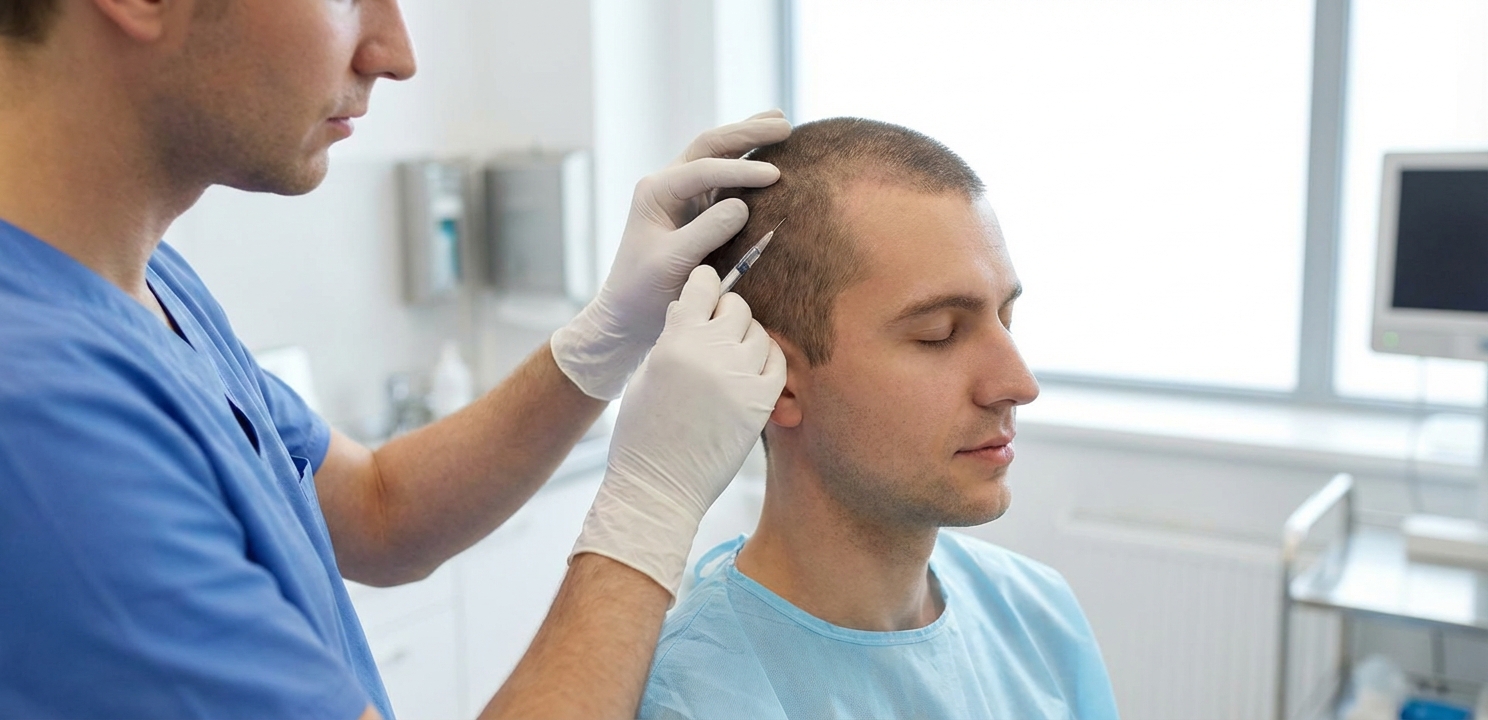
The cornerstone of comfort during a hair transplant is local anesthesia. This medical technique is crucial for ensuring that the surgical part of the day is entirely painless for the patient. Unlike general anesthesia, which puts you to sleep, local anesthesia targets a specific area of the body—in this case, the scalp—by blocking nerve signals from that region to the brain. This means you remain fully awake and aware throughout the procedure without feeling any pain in the treatment areas.
The Anesthesia Application Process
The process begins with the surgeon meticulously cleaning the scalp. Then, a series of small injections are administered to both the donor area (usually the back of the head) and the recipient area (where the new hair will be implanted). It is during these few minutes that patients report the most discomfort. The sensation is often described as a sharp sting or pinch, similar to any other injection. While this part can be momentarily unpleasant, it is over very quickly. The medical team works efficiently to numb the area, and once the anesthetic takes effect, which happens within minutes, the rest of the procedure is free of pain. The effectiveness of local anesthetics in blocking pain signals is well-documented in medical literature, making them a staple in minor dermatologic surgeries. You can learn more about how they function from scientific resources such as this detailed review of local anesthetics.
What You Feel During the Transplant
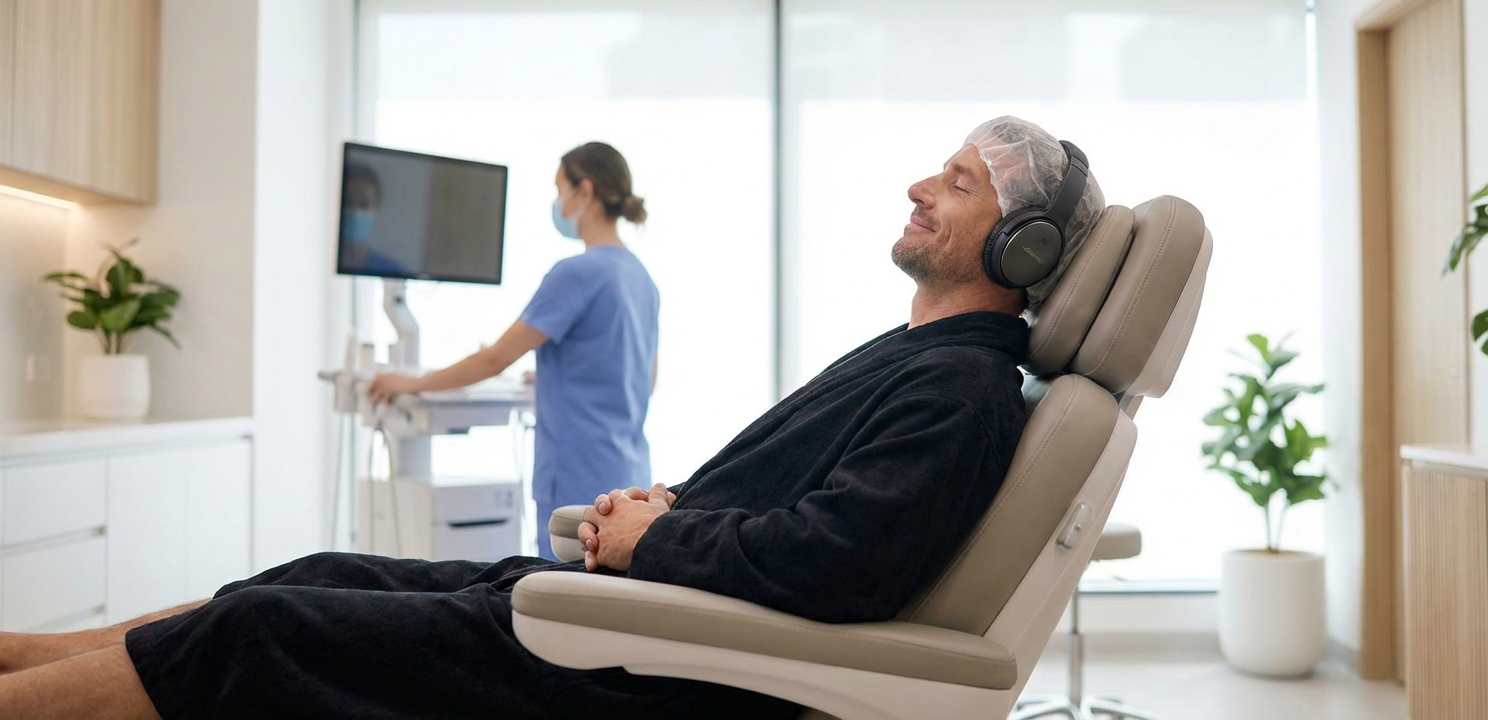
After the scalp is completely numb, the actual extraction and implantation of hair follicles begin. During this phase, which can last several hours, patients do not feel pain. Instead, they might be aware of sensations like pulling, tugging, or the vibration of the surgical tools. Many patients find this part of the procedure so comfortable that they can relax, listen to music, watch a movie, or even nap. The surgical team will regularly check in to ensure you remain comfortable and that the anesthesia is still fully effective. If any feeling starts to return, which is rare, more anesthetic can be applied to maintain numbness.
Post-Procedure Discomfort and Recovery Management
The experience of pain doesn’t end the moment you leave the clinic. The recovery phase is just as important, and it’s natural to have questions about what to expect after the anesthesia wears off. The good news is that post-operative pain from modern FUE (Follicular Unit Extraction) or DHI (Direct Hair Implantation) procedures is typically mild and easily manageable.
The First 48 Hours
As the local anesthesia gradually wears off over the hours following your surgery, you will likely begin to feel some soreness, tightness, and tenderness in both the donor and recipient areas. This is a normal part of the healing process. The level of discomfort is usually compared to a mild sunburn. To manage this, your clinic will provide you with a post-operative care package that includes prescribed pain medication. Taking this medication as directed is highly effective at keeping discomfort at a minimum. You will also be advised to sleep with your head elevated on a special pillow to help reduce swelling, which can contribute to the feeling of tightness.
The First Week and Beyond
In the days following the procedure, the primary sensation often shifts from soreness to itching. Itching is a very common and positive sign that your scalp is healing. It’s crucial to resist the urge to scratch, as this can dislodge the newly implanted grafts. The clinic will provide a special saline spray or lotion to soothe the scalp and alleviate the itchiness. Swelling may also occur, sometimes affecting the forehead or around the eyes, but this typically subsides within a few days. The initial discomfort and tenderness will fade significantly within the first week.
For a clearer picture, here is a timeline of what to expect regarding discomfort during recovery:
| Timeframe | Expected Sensation / Discomfort Level | Management Tips |
|---|---|---|
| Day 0-2 | Mild to moderate soreness and tightness as anesthesia wears off. Peak swelling may begin. Discomfort level: 2-4/10. | Take prescribed pain medication. Sleep with head elevated. Avoid touching the scalp. |
| Day 3-7 | Soreness decreases significantly. Itching becomes the primary sensation. Swelling may peak and then begin to subside. Discomfort level: 1-3/10. | Use saline spray as directed to soothe itching. Continue to avoid scratching. Gentle washing can begin per clinic instructions. |
| Week 2-4 | Itching and tenderness are minimal. Scabs will have fallen off. “Shock loss” of transplanted hair may begin. Discomfort level: 0-1/10. | Maintain a gentle washing routine. Scalp is returning to normal. |
| Month 2-3 | Most physical discomfort is gone. Some patients may experience minor pimples (folliculitis) as new hairs begin to grow. | Follow clinic guidance on managing folliculitis. Continue with gentle hair care. |
| Month 4+ | The scalp should feel completely normal. New hair growth becomes more visible. No pain or discomfort is expected. | Enjoy the beginning of your results! |
Does a Hair Transplant Hurt More with FUE or DHI?
Patients often wonder if the choice of technique affects the pain level. Both FUE and DHI are advanced, minimally invasive methods that have replaced the older, more painful “strip” (FUT) surgery. In both FUE and DHI, individual hair follicles are extracted one by one. The main difference lies in the implantation step. With FUE, the surgeon creates channels in the recipient area first and then places the grafts. With DHI, a special tool called a Choi Pen is used to implant the grafts directly without pre-made incisions.
From a pain perspective during the procedure, there is virtually no difference. Both techniques are performed under the same effective local anesthesia, rendering the scalp numb. In the post-operative phase, some argue that DHI may lead to slightly faster healing and less bleeding due to the nature of the implantation tool, but the overall level of discomfort is very similar for both. The choice between FUE and DHI is typically based on factors like the patient’s hair type, the area of hair loss, and the surgeon’s expertise, not on the expectation of pain. The entire hair transplant experience is carefully managed to ensure minimal discomfort regardless of the specific technique used.
Maximizing Your Comfort: The Clinic’s Role
Ultimately, the most critical factor in ensuring a low-pain experience is the skill and professionalism of the medical team. An experienced surgeon and attentive technicians can make a significant difference. They are adept at administering anesthesia with minimal discomfort and performing the procedure with a gentle, precise touch that reduces trauma to the scalp.
A reputable clinic prioritizes patient comfort from the moment you walk in. This includes:
- A Thorough Consultation: Discussing your concerns about pain and explaining the management plan in detail.
- A Calming Environment: Ensuring the procedure room is clean, comfortable, and relaxing.
- Attentive Care: Constantly monitoring your comfort level throughout the day.
- Comprehensive Aftercare: Providing clear instructions, necessary medications, and ongoing support to manage your recovery smoothly.
The fear of pain should not be a barrier to regaining your confidence through hair restoration. By choosing a high-quality clinic and understanding the modern, patient-focused approach to pain management, you can look forward to a comfortable procedure and a rewarding journey toward a fuller head of hair.