




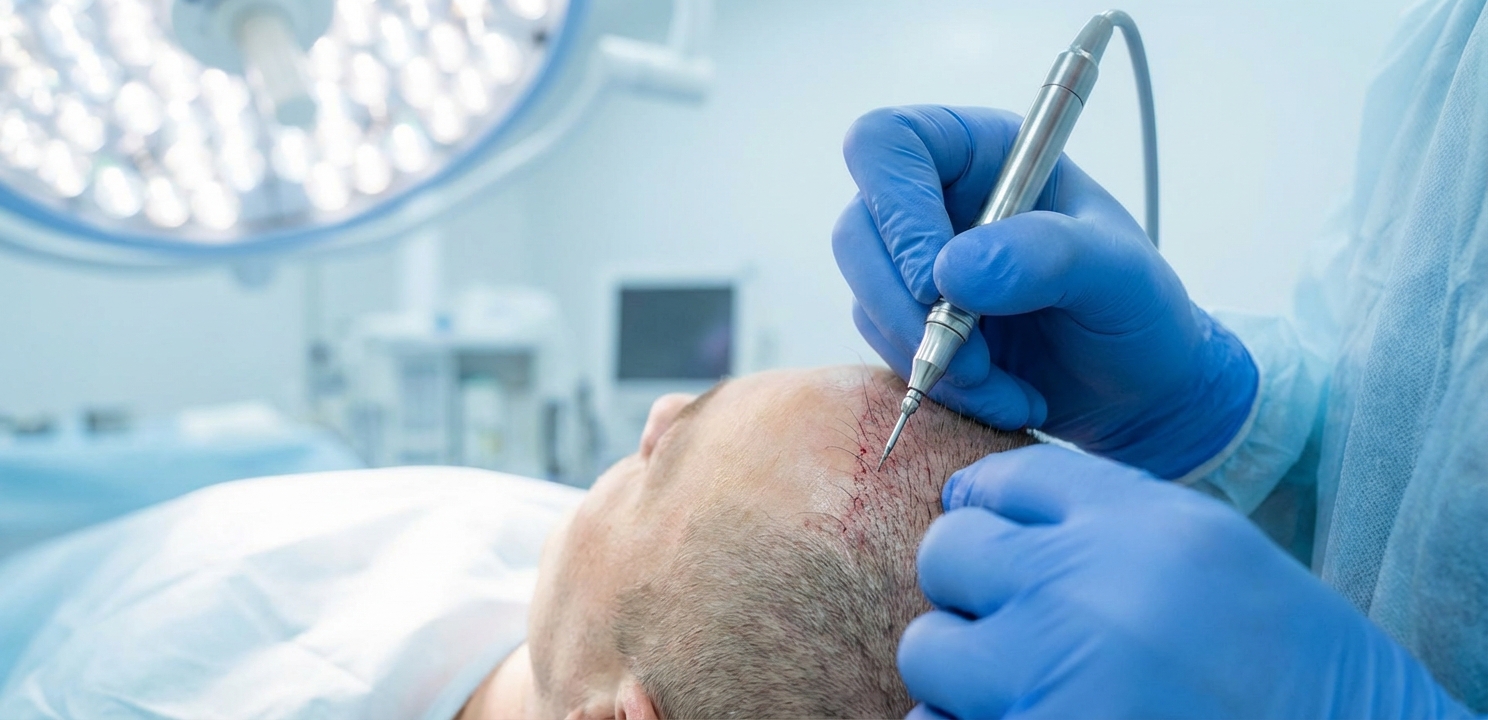
How Does a Hair Transplant Work Step by Step, from the initial consultation to the final, transformative results? This sophisticated medical procedure is more than just moving hair; it is a meticulous art and science dedicated to permanently restoring hair in areas affected by thinning or baldness. At its core, a hair transplant involves harvesting healthy, genetically resilient hair follicles from a donor area on your own scalp and implanting them into a recipient area where hair is needed. The fundamental principle hinges on the concept of “donor dominance,” where follicles taken from the back and sides of the head retain their natural resistance to the hormones that cause male and female pattern baldness, even after being relocated. This ensures that the transplanted hair will continue to grow for a lifetime, offering a lasting solution to hair loss.
Understanding this process demystifies the procedure and highlights the incredible advancements that have made it a safe, effective, and minimally invasive option for people worldwide. The journey involves several distinct phases, each critical to achieving the natural-looking, dense results that patients desire. From precise planning and graft extraction to artistic implantation and careful aftercare, every stage is executed with precision by a skilled medical team.
Understanding the Foundation: The Donor and Recipient Areas
Before delving into the procedural steps, it’s crucial to understand the two key zones of the scalp involved in any hair transplant: the donor area and the recipient area. The success of the entire operation depends on the quality and characteristics of the hair follicles within the donor site.
The Power of the Donor Area
The donor area is typically located on the back and sides of the scalp. This region is genetically programmed to be resistant to the effects of Dihydrotestosterone (DHT), the primary hormone responsible for androgenetic alopecia, or common pattern baldness. While DHT causes follicles on the top and front of the scalp to miniaturize and eventually stop producing hair, the follicles in the donor zone are unaffected. When these resilient follicles are surgically moved to a new location, they maintain their genetic coding and continue to grow hair normally. A thorough evaluation of the donor area is the first step in determining a candidate’s suitability for a transplant. The surgeon assesses the density, texture, and quality of the hair to calculate how many follicular units, or grafts, can be safely harvested without noticeably thinning the donor site.
Preparing the Recipient Area
The recipient area is the region of the scalp experiencing hair loss, such as a receding hairline, thinning crown, or bald patches. The goal of the transplant is to strategically implant the harvested grafts into this area to restore density and create a natural appearance. The planning for this stage is an art form. The surgeon must design a hairline that is age-appropriate and complements the patient’s facial structure. Furthermore, the angle, direction, and distribution of the implanted grafts must mimic natural hair growth patterns to ensure the final result is completely undetectable. The health of the scalp in the recipient area is also considered to ensure it can provide adequate blood supply to nourish the newly implanted follicles.
The Pre-Operative Phase: Preparation is Key
A successful hair transplant begins long before the day of the procedure. The pre-operative phase is a critical period of consultation, planning, and preparation that sets the stage for optimal outcomes.
Consultation and Strategic Planning
The journey starts with an in-depth consultation with a hair restoration specialist. During this session, the surgeon will perform a comprehensive scalp analysis, discuss your hair loss history, and understand your aesthetic goals. This is where the number of grafts required is determined, and a customized treatment plan is created. The surgeon will meticulously design the new hairline, marking it directly on your scalp for approval. This collaborative process ensures that the final result aligns perfectly with your expectations.
Medical Evaluation and Health Screening
Patient safety is the top priority. Before the procedure, you will undergo a routine medical evaluation, including blood tests. This screening helps to identify any underlying health conditions that could affect the surgery or the healing process. It is important to provide a complete medical history, including any medications you are taking. Based on this evaluation, the team will confirm your candidacy and provide instructions to ensure you are in the best possible health for the surgery.
Pre-Surgery Instructions
In the week or two leading up to your hair transplant, you will be given a set of clear instructions to follow. These typically include avoiding certain medications and supplements that can thin the blood, such as aspirin and vitamin E. Patients are also advised to stop smoking and consuming alcohol, as these substances can impair blood flow and negatively impact the healing process and the survival rate of the grafts. Following these guidelines diligently is essential for a smooth procedure and a successful recovery.
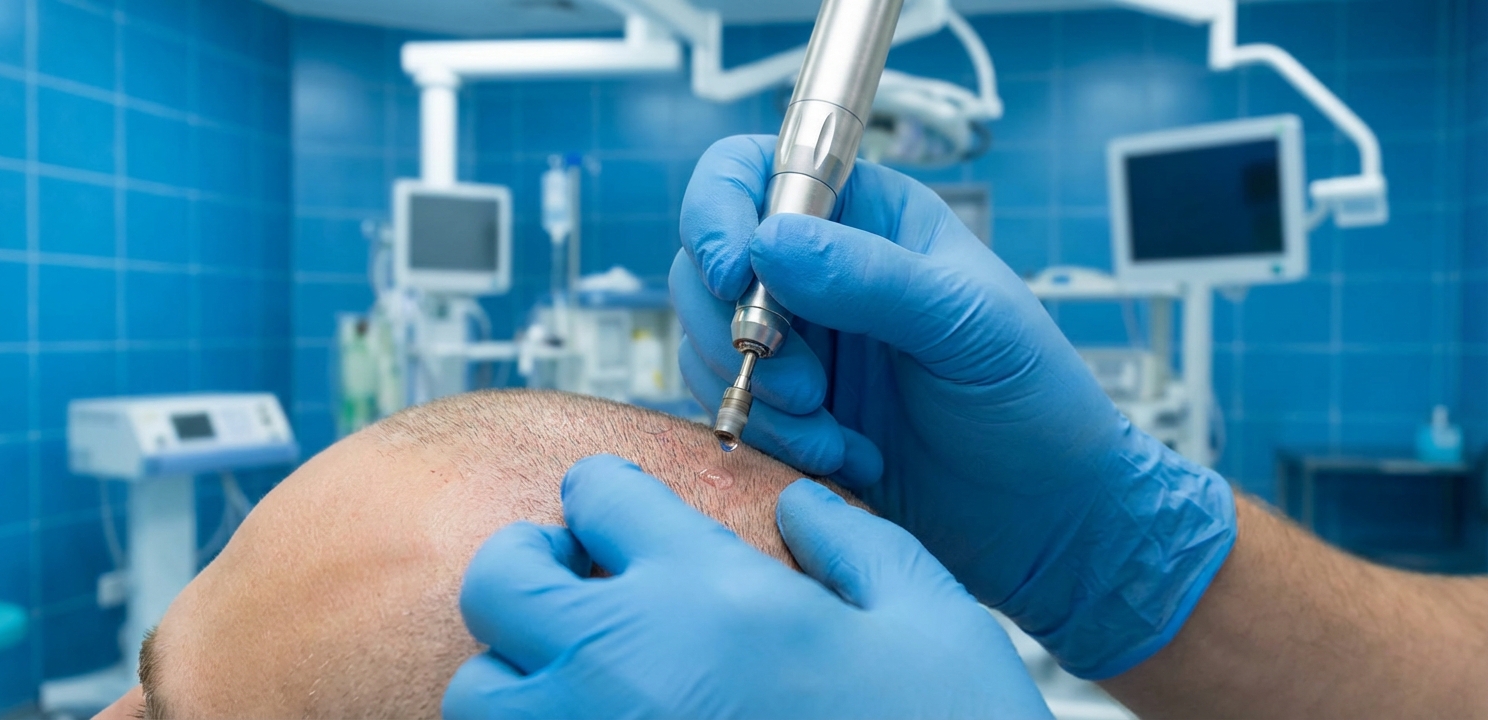
How Does a Hair Transplant Work: The Core Process
On the day of the procedure, a highly coordinated team of experts works together to perform the transplant. The process is typically completed in one day, lasting anywhere from 6 to 9 hours, depending on the number of grafts being implanted.
Step 1: Anesthesia and Donor Area Preparation
The first step is preparing the scalp. The hair in the donor area is trimmed short to allow the surgeon clear visibility and access to the individual follicular units. Then, local anesthesia is administered to both the donor and recipient areas. This ensures the entire scalp is completely numb, and the patient feels no pain throughout the procedure. Patients remain awake and can relax, watch movies, or listen to music during the operation.
Step 2: Graft Extraction with the FUE Method
The most advanced and widely used technique for graft extraction is Follicular Unit Extraction (FUE). Unlike older methods that involved removing a strip of scalp, FUE is a minimally invasive technique. The surgeon uses a specialized micro-motor punch, typically less than a millimeter in diameter, to extract individual follicular units one by one. Each unit contains 1 to 4 hairs. This meticulous process avoids a linear scar, resulting in a much faster recovery time and allowing patients to wear their hair very short without any visible signs of surgery. According to research published by the National Center for Biotechnology Information, FUE is a reliable and effective method for harvesting grafts. Once extracted, the grafts are carefully preserved in a special sterile, chilled solution that maintains their viability while they await implantation.
Step 3: Creating Incisions and Implanting Grafts
After all the required grafts have been harvested, the implantation phase begins. At Natural Hair Turkey, cutting-edge techniques like Sapphire FUE and DHI are employed for this critical step.
- Sapphire FUE: In this method, the surgeon uses blades made from genuine sapphire to create micro-channels in the recipient area. These sapphire blades are sharper and more precise than traditional steel blades, allowing for smaller, cleaner incisions. This minimizes tissue damage, reduces bleeding, and promotes faster healing. The harvested grafts are then carefully placed into these channels.
- DHI (Direct Hair Implantation): With the DHI technique, a special tool called a Choi Implanter Pen is used. This device can create the incision and implant the graft in a single motion. It offers the surgeon maximum control over the depth, angle, and direction of each implanted follicle, which is essential for achieving a dense and natural-looking result.
The choice between these techniques depends on the patient’s specific hair loss pattern and goals, and it will be determined during the initial consultation. The implantation process requires immense skill and artistry to ensure the final hairline and overall density appear completely natural.
The Post-Operative Journey: Recovery and Growth
The journey doesn’t end when you leave the clinic. The post-operative period is crucial for the survival of the new grafts and the success of the final outcome. The clinic provides detailed aftercare instructions and support throughout your recovery. The first hair wash is typically performed at the clinic a day or two after the procedure to demonstrate the proper, gentle technique. Understanding the timeline of recovery and hair growth helps manage expectations.
| Timeline | What to Expect |
|---|---|
| Day 1-7 | Minor swelling and redness in the recipient and donor areas. Small scabs will form around each implanted graft. It is crucial to follow all aftercare instructions, including sleeping with your head elevated. |
| Week 2-4 | The scabs will have fallen off. You may experience “shock loss,” where the newly transplanted hairs fall out. This is a normal and expected part of the cycle as the follicle enters a resting phase before beginning a new growth cycle. |
| Month 1-3 | The resting phase continues. Some patients may see the first signs of new, fine hairs beginning to sprout, but significant growth is not yet visible. Patience is key during this period. |
| Month 4-6 | Noticeable growth begins. The new hairs will initially be fine and thin but will gradually become thicker and longer. The density will start to improve significantly during this time. |
| Month 6-9 | The growth phase accelerates. You will see a major improvement in hair coverage and density. The hair is now long enough to be styled, and the results of the hair transplant become much more apparent. |
| Month 12-18 | The final result is achieved. The transplanted hair has fully matured, reaching its final thickness, texture, and length. The full density and natural appearance of the transplant are now visible. |
This gradual process requires patience, but the outcome is a permanent, natural-looking head of hair that you can cut, wash, and style just like your original hair. The success is deeply rewarding and can have a profound impact on one’s confidence and self-esteem.